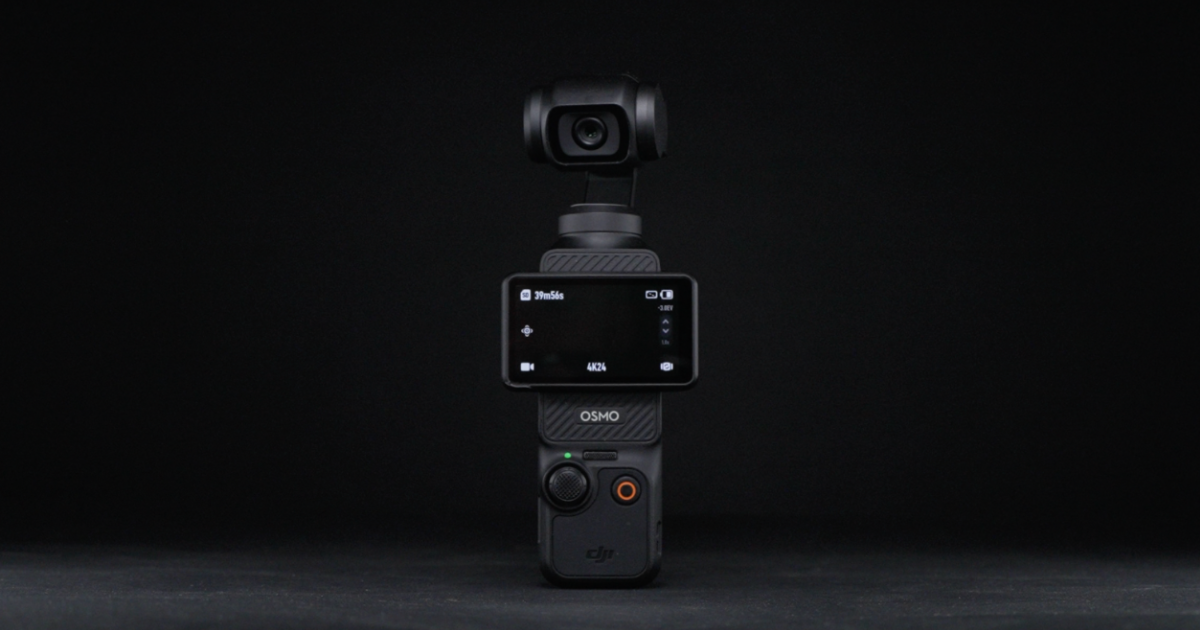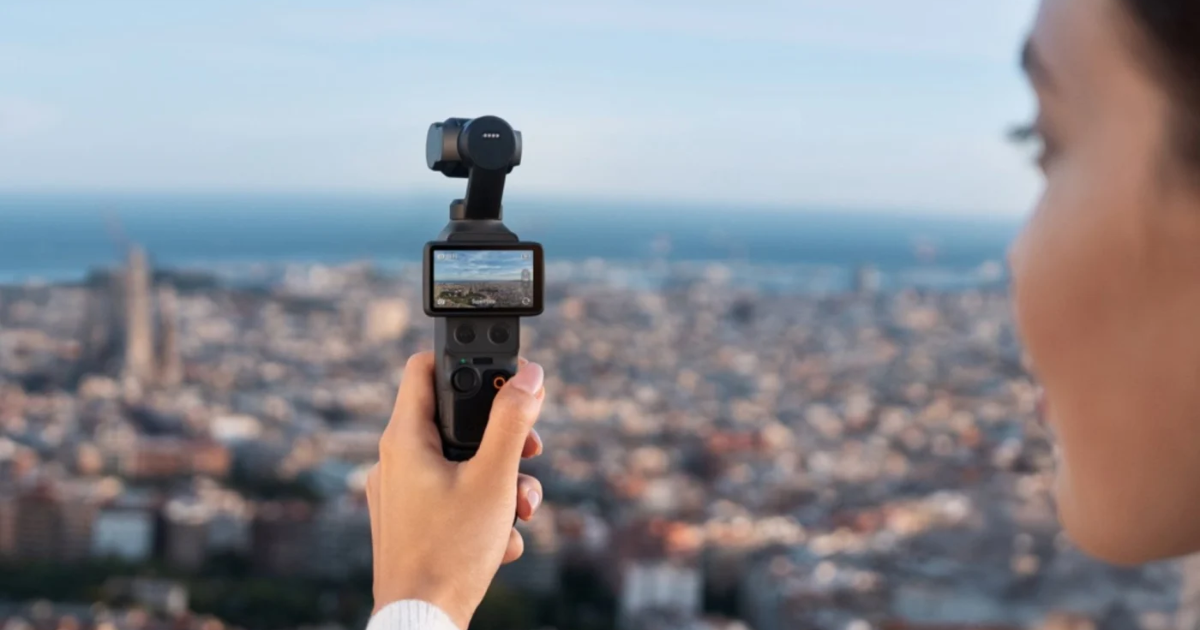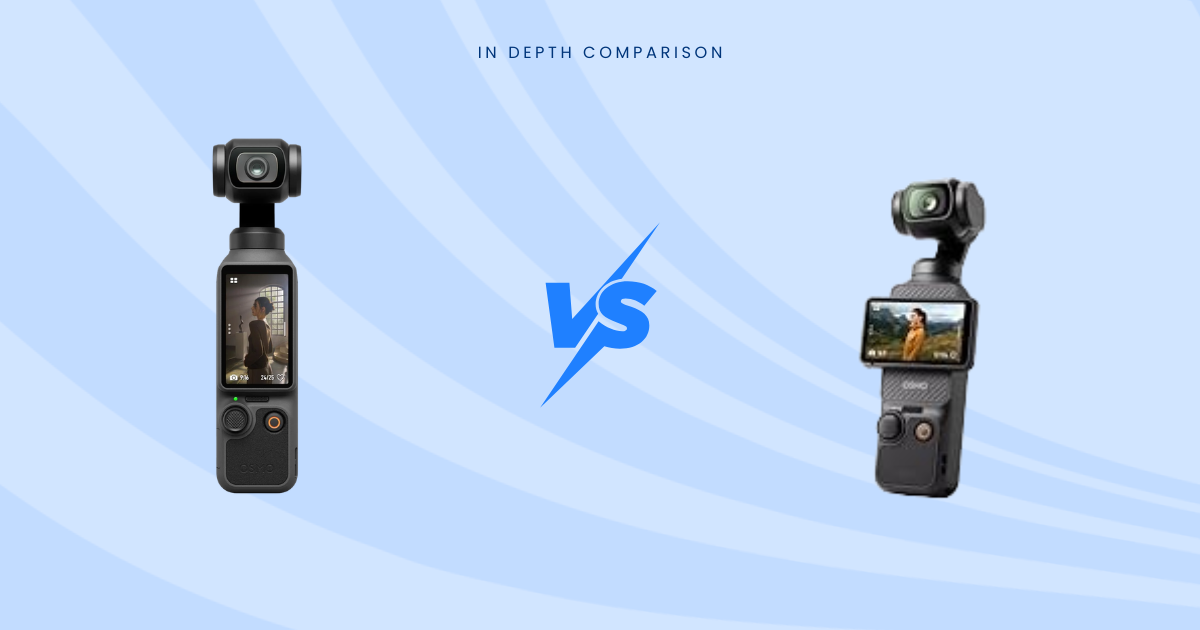


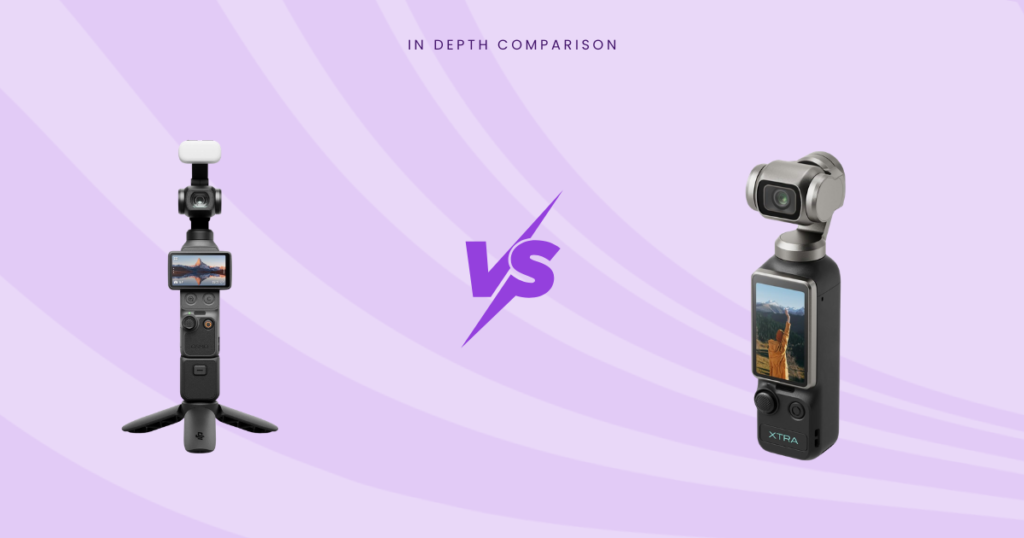
Which pocket camera should you buy, the DJI Osmo Pocket 4 vs Xtra Muse? That’s the real question if you’re shooting vlogs, travel clips, or everyday creator work.
The Pocket 4 is the pricier, more loaded option. The Muse keeps the price lower and trims the feature set, while still giving you solid 4K footage and a gimbal-first shooting experience.
This comparison breaks down the stuff that actually changes how you shoot, image quality, stabilization, battery life, storage, controls, and value, so you can match the camera to your style.
RELATED: DJI Osmo Pocket 4 vs DJI Osmo Pocket 3: Is it worth Upgrading?

Quick Summary
The short version is simple. The Pocket 4 is the better spec sheet camera, while the Muse is the better value buy.
You get more room to edit with DJI, more slow motion, more built-in storage, and longer battery life. The Muse still gives you a 1-inch sensor, 3-axis gimbal stabilization, and 4K 120 fps, which is plenty for a lot of creators.
If you want the most headroom for grading and slow motion, the Pocket 4 pulls ahead fast.
If your work is mostly travel, social clips, and casual vlogging, the Muse makes a lot of sense. If you want the more complete pocket camera package, the Pocket 4 is the one with more staying power.
Winner: DJI Osmo Pocket 4 It offers the bigger jump in video, storage, and battery, which matters more once you start using it every day.
Specifications
Here’s the fast side-by-side view before you get into the details.
| Spec | DJI Osmo Pocket 4 | Xtra Muse |
|---|---|---|
| Sensor | 1-inch CMOS | 1-inch CMOS |
| Max video | 4K at 240 fps | 4K at 120 fps |
| Color profile | 10-bit D-Log | 10-bit X-Log |
| Dynamic range | 14 stops | Not stated as high as Pocket 4 |
| Photo resolution | Up to 37 MP | About 9.4 MP |
| Stabilization | 3-axis mechanical gimbal | 3-axis mechanical gimbal |
| Screen | 2-inch rotating touchscreen | 2-inch touchscreen |
| Storage | 107 GB built in, microSD up to 1 TB | MicroSD-based |
| Battery life | Up to 240 minutes at 1080p | About 161 minutes |
| Weight | 190.5 g | 281 g |
| Connectivity | USB-C, Wi-Fi 6, Bluetooth | USB-C, Bluetooth |
| Price position | Premium | Lower-cost alternative |
The table tells the story fast. DJI is the stronger all-around tool, but the Muse keeps the core pocket-camera idea intact at a friendlier price.
Winner: DJI Osmo Pocket 4 The extra video ceiling, built-in storage, and battery life give it the better overall spec mix.
Design & Build Quality
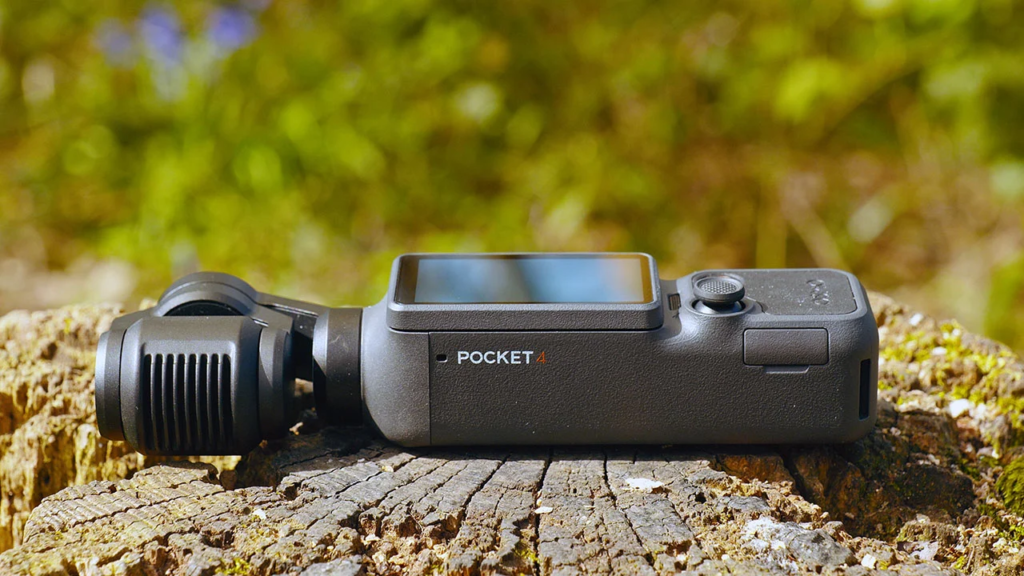
Both cameras are built for one-handed shooting, and both are small enough to stay out of your way. That said, they feel different in use.
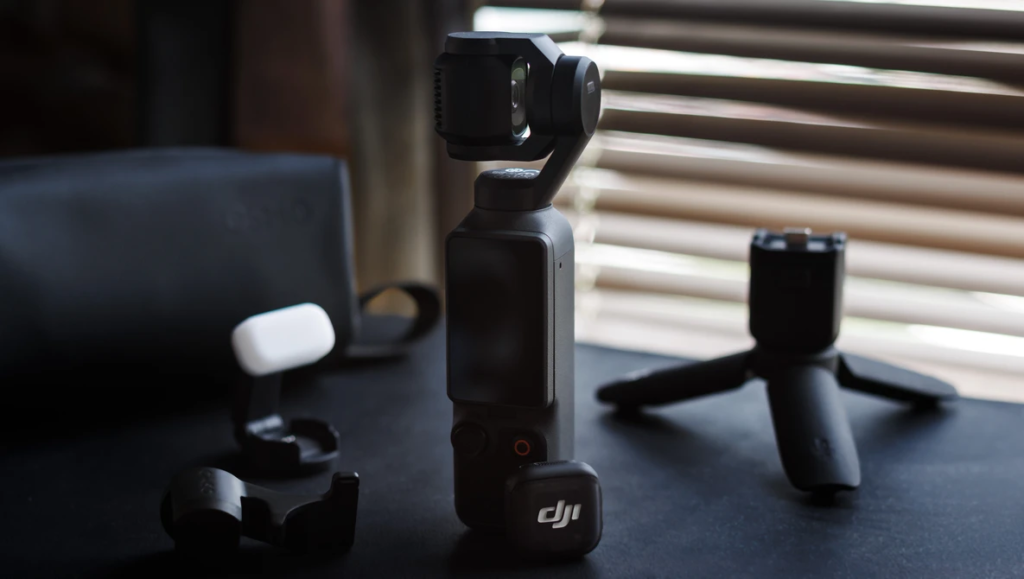
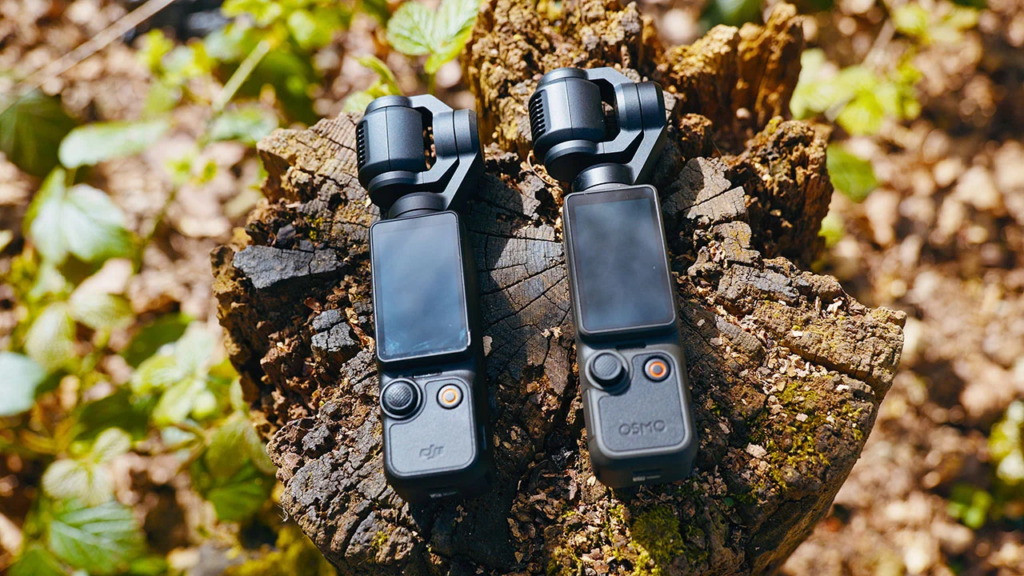
Pocket 4’s more refined controls and rotating screen
The Pocket 4’s 2-inch rotating touchscreen is a big part of its appeal. You can switch framing fast, and the screen reveals more direct controls when you rotate it.
That matters when you’re filming alone. The 5D joystick, zoom button, and custom button let you change framing, switch modes, or start tracking without digging through menus. If you move quickly, the Pocket 4 keeps up.
Xtra Muse’s simpler, lighter approach
The Muse takes the easier route. It keeps the layout straightforward, so you don’t need to learn a bunch of extra controls before you start shooting.
That can be a good thing if you want a camera that feels less fussy on a trip or a casual day out. You grab it, frame the shot, and keep moving.
Winner: DJI Osmo Pocket 4 The rotating screen and extra controls make it faster and easier to use when you’re working solo.
Image & Video Quality
Both cameras use a 1-inch CMOS sensor, so you’re starting from a strong base either way. That sensor size matters. It gives you better low-light performance and more natural-looking footage than a tiny action camera sensor.
The Pocket 4 pushes harder with 14 stops of dynamic range, true 10-bit D-Log, and 4K at 240 fps. The Muse still looks strong, but it tops out at 4K 120 fps and uses X-Log instead.
For you, that means DJI gives you more room in post. Highlights stay cleaner, shadows hold more detail, and slow motion has more flexibility. The Muse is still very good for standard creator work, but it does not give you the same headroom.
TechEBlog’s Pocket 4 comparison is useful here if you want another outside look at the upgrade path.
Why the Pocket 4 gives you more room to edit
The Pocket 4’s 10-bit D-Log profile is the big difference. It gives you more color information to work with, which helps when you want to push contrast or pull back bright skies.
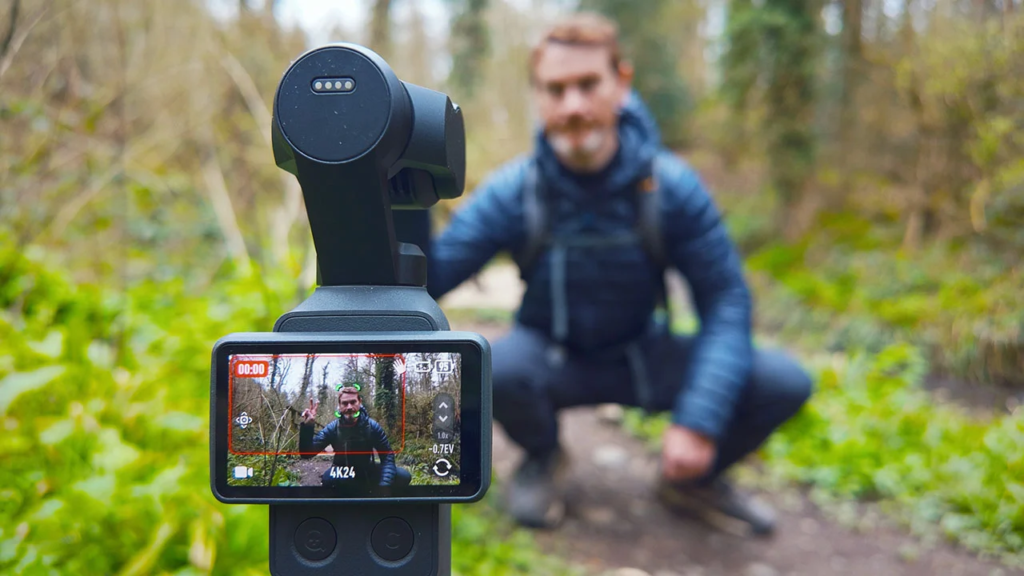
That’s the kind of thing you notice when you grade footage later. It looks less boxed in, especially in tricky light.
Where the Xtra Muse still holds up well
The Muse still delivers strong 4K footage, and for most vlogs, that’s enough. If you publish fast and don’t spend much time grading, you probably won’t miss the top-end spec gap every day.
Its 10-bit X-Log profile is still better than basic 8-bit video, so you get more flexibility than you would from a simple point-and-shoot setup.
Winner: DJI Osmo Pocket 4 It gives you more slow motion, more dynamic range, and more room to clean up the image later.
Stabilization & Subject Tracking
This one is closer than the video section. Both cameras use a 3-axis mechanical gimbal, so both are built to smooth out walking shots and handheld movement.
The difference is in tracking. DJI’s ActiveTrack 7.0, plus gesture controls, feels more advanced. The Muse uses Master Follow face and object tracking, which is useful and effective, just less polished on paper.
For solo shooting, that gap matters. The Pocket 4 feels more automatic when you want to move, frame yourself, and keep recording without stopping to reset the camera.
DJI’s more advanced tracking tools
ActiveTrack 7.0 can follow people, animals, vehicles, and objects. You also get gesture control, so a palm or peace sign can start or stop tracking or recording.
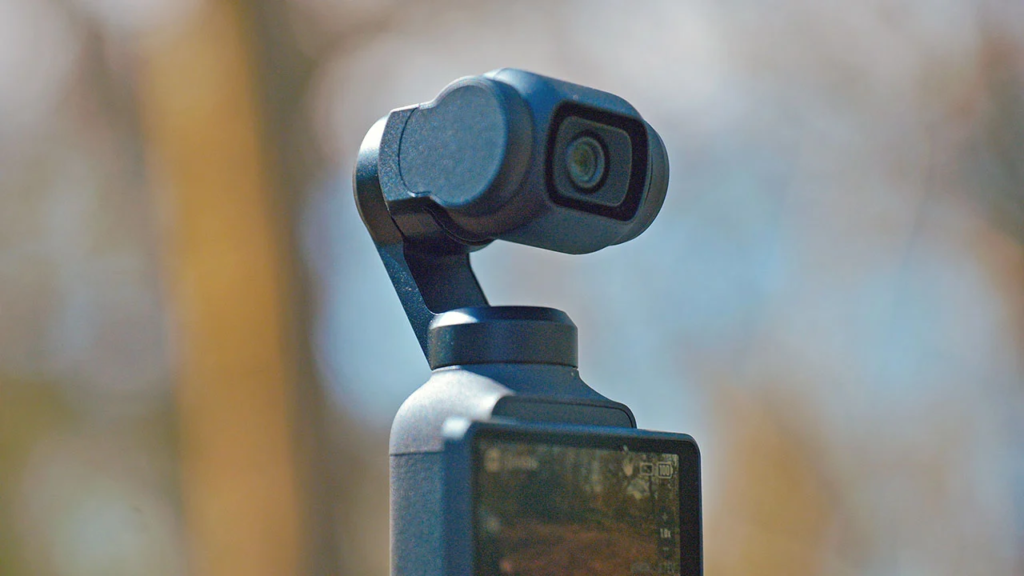
That makes the Pocket 4 easier to run on your own. It’s the kind of setup that saves time when you’re talking to camera and moving through a scene.
The Muse’s strong but simpler tracking system
The Muse still does the job well. If you want your face or subject kept in frame while you walk, it handles that cleanly enough for everyday use.
You just don’t get the same level of automation or the same confidence that DJI brings when the shot gets more complex.
Winner: DJI Osmo Pocket 4 Its tracking tools are more advanced, and that makes solo filming easier.
Low-Light Performance
Both cameras benefit from that 1-inch sensor, so neither one feels weak once the light drops. Indoor footage, evening streets, and dim rooms are all in play.
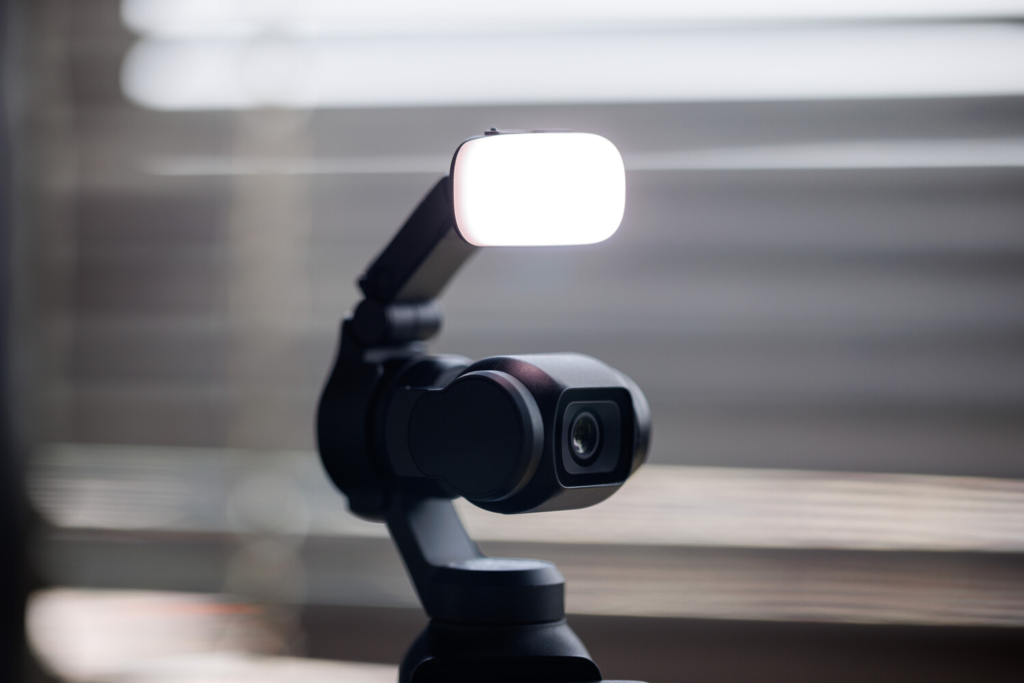
The Pocket 4 has the edge because of its stronger tuning and the option to add a magnetic fill light. That gives you more control when the scene is a little too dark or flat.
The Muse still holds up well in low light, and its footage stays usable for travel and social posting. If you’re not chasing perfect night detail, it remains a solid option.
Winner: DJI Osmo Pocket 4 The fill light option and stronger overall tuning give it the cleaner low-light result.
Audio & Mic Support
You get three built-in mics on the Pocket 4, plus OsmoAudio support and Creator Combo mic options. That’s a real plus if you want cleaner voice capture without building a bigger rig.
The Muse also has three built-in mics, so it isn’t short on basic audio capture. For quick vlogs and casual creator work, that’s enough to get started.
If you care about plugging into a more flexible audio setup, DJI goes further. That’s the difference between “good enough” and “easy to expand later.”
Winner: DJI Osmo Pocket 4 It gives you more audio flexibility, especially if you want wireless mic support.
Battery Life & Charging
Battery life is one of the clearest splits here. The Pocket 4 is rated for up to 240 minutes at 1080p, while the Muse lands around 161 minutes.
That gap matters on travel days. It also matters if you shoot a lot of short clips and don’t want to think about topping up after every session.
DJI also charges faster, which makes it easier to get back out the door. The Muse is fine for a normal shoot, but the Pocket 4 is the better match for longer days.
Winner: DJI Osmo Pocket 4 It lasts longer and charges faster, which makes it easier to live with.
Storage & File Options
This is another area where DJI feels more complete. The Pocket 4 includes 107 GB of built-in storage, plus microSD support up to 1 TB. It also moves files fast through USB-C and Wi-Fi 6.
That built-in memory is handy when you forget a card or just want to start shooting right away. It turns the camera into a grab-and-go tool.
The Muse leans on microSD, which is still perfectly normal. You get easy expansion, but you don’t get the same built-in convenience. If you want more pocket-camera buying context, the best pocket cameras roundup is worth a look.
Winner: DJI Osmo Pocket 4 Built-in storage makes the workflow smoother, and that adds up fast.
App, Controls & Ease of Use
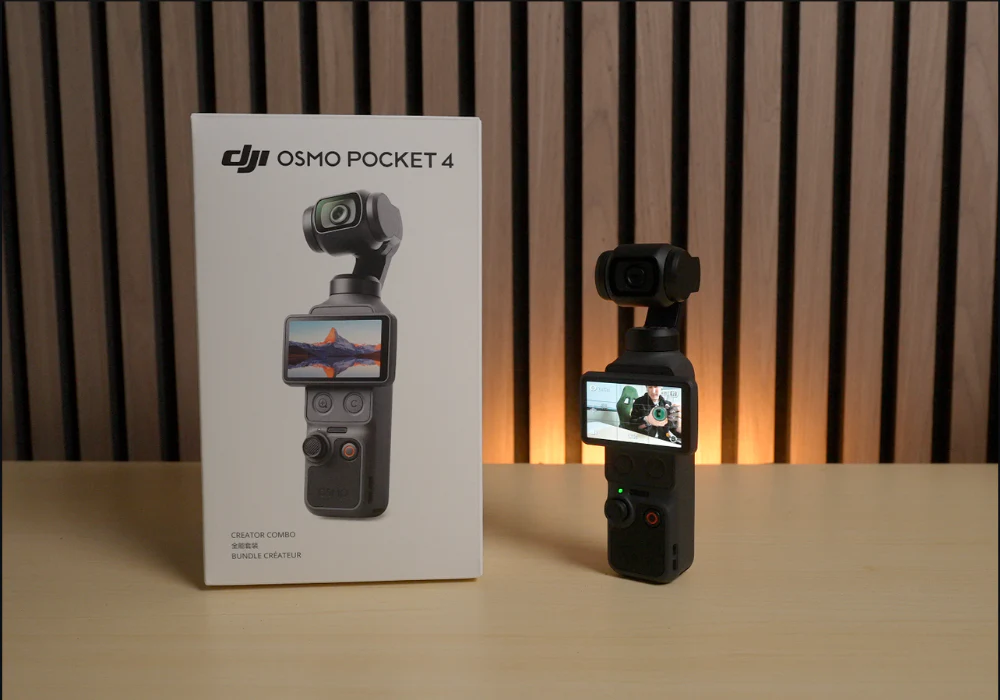
The Pocket 4 feels quicker because it mixes touchscreen control with hardware buttons, joystick input, and gesture support. That’s a lot of control for such a small device.
The Muse keeps things simpler. That can be nice if you don’t want extra steps, but it also means fewer shortcuts when you’re in a hurry.
For portrait shooting, quick mode changes, and solo framing, DJI is the more responsive tool. If you want a camera that disappears into the background, the Muse is easier to pick up and understand.
Winner: DJI Osmo Pocket 4 It gives you faster control and a more fluid shooting experience.
Connectivity & Ports
Both cameras cover the basics with USB-C and Bluetooth. That gets you charging, data transfer, and app connection without much trouble.
The Pocket 4 goes further with Wi-Fi 6 and faster offload speeds, so it fits better into a creator workflow where you move files often. That matters if you edit on the go or bounce footage between devices.
The Muse does enough for most people. Still, DJI is the one that feels ready for heavier use.
Winner: DJI Osmo Pocket 4 Faster transfers and stronger wireless options make it easier to keep shooting.
Price & Value
The Muse is the value pick, and that’s the whole point. It gives you the core pocket-camera formula, 1-inch sensor, 3-axis gimbal, 4K 120 fps, and a lower price.
The Pocket 4 is for you if you want the better tool, not just the cheaper one. It gives you more slow motion, better photos, stronger storage, longer battery life, and more control. For a broader look at how it fits into the category, the best budget digital cameras guide is a helpful companion read.
If you want to spend less and still get clean handheld video, the Muse is easy to justify. If you want the camera that does more without asking for extra compromises, the Pocket 4 is the stronger buy.
Winner: Tie The Pocket 4 is better overall, but the Muse is the smarter value if you want to spend less.
Who Should Buy the Xtra Muse?
Choose the DJI Osmo Pocket 4 if you:
- shoot a lot of slow motion and want 4K at 240 fps
- care about color grading and want 10-bit D-Log with more dynamic range
- want built-in storage, faster transfers, and longer battery life
- film solo and want better tracking, gestures, and physical controls
Choose the Xtra Muse if you:
- want a lower-cost pocket camera that still gives you strong 4K results
- mostly shoot travel clips, vlogs, and social posts
- don’t need huge photo files or extreme slow motion
- want a simpler setup that gets out of the way
FAQs
Which camera gives you better overall image quality?
The DJI Osmo Pocket 4 does. You get a stronger 1-inch sensor workflow, up to 37 MP stills, 10-bit D-Log, and better slow-motion headroom for serious video work.
Is the Xtra Muse good enough for most creators?
The Xtra Muse is good enough if you care more about value than spec sheets. It gives you a 1-inch sensor, 3-axis stabilization, 4K video, and strong tracking for less money.
Which one is better for low-light shooting?
The Pocket 4 has the edge. Its 1-inch sensor, f/2.0 lens, and improved low-light video support give you cleaner results when the light starts dropping off.
Does the DJI Osmo Pocket 4 track subjects better?
Yes, it does. ActiveTrack 7.0 is more advanced, supports people, pets, vehicles, and objects, and it keeps tracking even at 4x zoom when conditions are right.
Which camera is the smarter buy for travel and vlogging?
That depends on your budget. Pick the Pocket 4 if you want the better all-around camera, but the Xtra Muse is the cleaner buy if you want solid results for less cash.
Final Verdict
The Pocket 4 is the better camera if you want the most complete pocket-size creator tool. It gives you stronger video performance, better stills, more battery life, and a cleaner workflow.
The Muse makes more sense if you care more about value than top-end specs. You still get strong stabilization, a 1-inch sensor, and enough video quality for most everyday creators.
If you shoot a lot and want the camera to feel like a serious part of your setup, pick the Pocket 4. If you want to keep spending under control and still walk away with good footage, the Muse is the easier buy.