


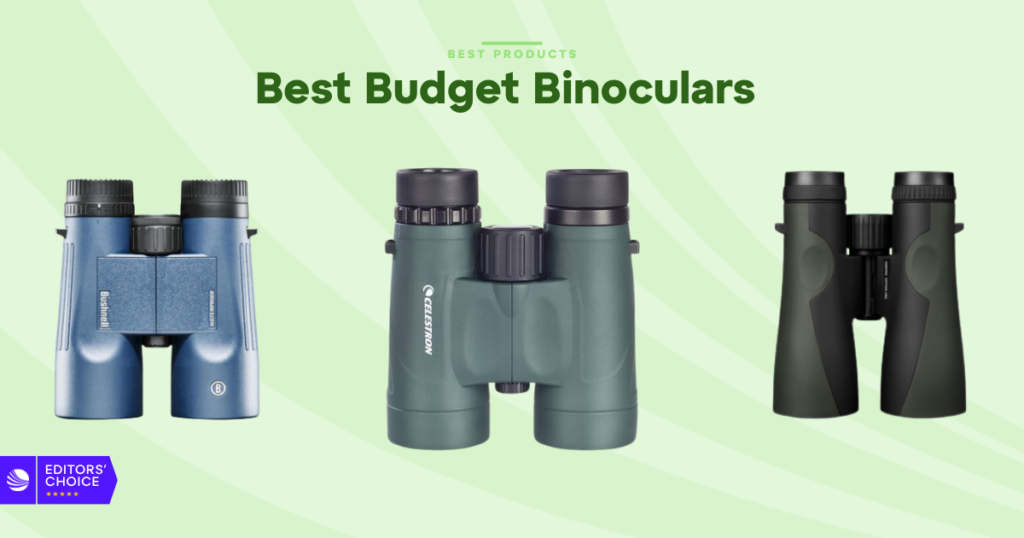
You want the best budget binoculars without buying a pair that feels cheap the first time you pick it up. That usually means getting the balance right, decent optics, enough field of view, and a build that can handle rain, dust, and a few knocks in a day pack.
Disclosure: As an independent reviewer, we may receive an affiliate commission on qualifying purchases made through our links. This helps support our research and testing team at OASTHAR. Learn more about our testing process.
That balance is trickier than it looks. A cheaper pair can still be solid if the glass is clean, the focus wheel is smooth, and the body doesn’t feel like it’ll flex in your hands. A wide view helps with birds and wildlife. Good low-light performance matters more than most shoppers expect.
This guide keeps the focus on value. You get the picks that make sense for beginners, casual birders, hikers, travelers, and anyone who wants a dependable pair without paying premium money. For a wider market view, Switchback Travel’s 2026 binocular roundup is a good benchmark for how these trade-offs show up across different price tiers.
RELATED: The 7 Best Budget Drones for 2026, Tested and Reviewed
Best budget binoculars at a glance
- Best Overall: Celestron Nature DX 8×42
- Best Entry-Level: Vortex Triumph HD 10×42
- Best Waterproof: Bushnell H2O 8×42
- Best Lightweight: Nikon ProStaff P3 8×42
- Best for Low Light: Vortex Crossfire HD 10×50
- Best Clarity on a Tight: Athlon Neos G2 HD 8×42
- Best Aaffordable: Nikon Aculon A211 10×50
Learn more about how we test budget binoculars
In our assessment, we start with real shopping context, then move into hands-on style checks that reflect how you’d actually use a pair in the field. We also study hundreds of customer reviews so the list reflects what buyers experience, not just what the box promises.
Price and customer reviews
We compare listings across major retail sites like Amazon, Walmart, Target, and Currys, then sort the field by real value, not sticker shock. We also read through large batches of customer feedback to spot repeat wins and repeat complaints, because one glowing review means almost nothing on its own.
Optical clarity
We look for sharp center detail, clean edges, and color that stays natural instead of washed out or tinted. Budget binoculars don’t need to look premium to be useful, but they do need to stay clear enough that you can track a bird, sign, or trail marker without fighting the image.
Brightness and low-light use
We test how well each pair handles shade, dusk, and cloudy conditions. Bigger objective lenses usually gather more light, but not every 10×50 beats a good 8×42. The best budget models keep the view bright without turning heavy or awkward.
Comfort and portability
A budget pair only works if you actually carry it. We look at weight, balance, grip, and eye relief, because a binocular that feels tiring after ten minutes is the wrong buy, even if the optics look fine on paper.
Build quality and weather resistance
We check how the body feels in hand, how smooth the focus wheel is, and whether the housing seems ready for real outdoor use. Waterproofing and fog resistance matter more than most shoppers think, especially if you plan to use your binoculars on hikes, in wet grass, or during travel.
Focus speed and field of view
A wide field helps you find the subject fast, and a smooth focus wheel helps you stay on it. That combo matters a lot for birding, wildlife, and any situation where the target won’t stay still for long.
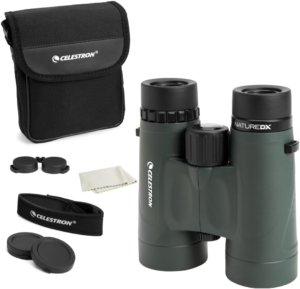
Rating: 4.9/5
This pair has the kind of superpower budget shoppers actually need, a strong all-around image without weird compromises. It gives you the classic 8×42 format, which is a smart place to land if you want a binocular that works for birding, casual wildlife watching, trail use, and general everyday spotting.
The Nature DX line has long been the kind of recommendation that makes sense fast. The 8×42 version keeps things steady, bright enough for most daylight use, and broad enough in the field of view to help you pick up movement without hunting around too much. For a budget class binocular, that matters more than raw magnification.
In real use, this is the sort of pair that feels easy to live with. It doesn’t ask you to baby it, and it doesn’t try to look like a premium showpiece. It just gets out of the way and lets you see the scene clearly. That’s why it earns the top spot here. If you want a deeper look at how this model sits in the larger market, Best Budget Binoculars 2026 is a useful comparison point.
- Magnification: 8x | Objective lens: 42mm | Use case: all-around budget spotting
- Format: roof prism | Weather resistance: waterproof and fogproof
- Field of view: wide for the class | Best for: birding, hiking, casual wildlife
- Feel in hand: balanced and familiar | Skill level: beginner friendly
Reasons to buy
- Balanced 8×42 format
- Easy to carry
- Strong value for money
- Good all-around view
- Beginner friendly
Reasons to avoid
- Not the cheapest option
- Not a premium optical jump
- Too plain for gear fans
Who should buy it: This is for you if you want one pair that handles most outdoor uses without making you think too hard. It’s a smart fit if you’re starting birding, sharing binoculars with family, or just want a dependable pair for trips and weekend walks.
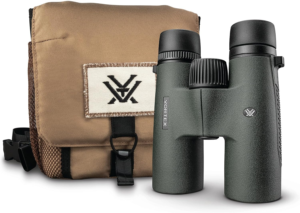
Rating: 4.8/5
The Triumph HD’s main strength is simple, it keeps the entry-level experience clean. You get a familiar 10×42 layout, which gives you a little more reach than 8x models and makes distant subjects feel closer without jumping into awkward, oversized territory.
That extra magnification can help if you mostly watch open fields, shoreline movement, or wildlife at a distance. The trade-off is the usual one. A 10x view can feel a little less relaxed than 8x, so you’ll notice hand shake more and scanning can take a bit more patience. For a first binocular, though, it’s still a very manageable format.
This is the kind of model that works best when price matters and you still want a respectable step up from no-name optics. It isn’t trying to be fancy. It’s trying to be useful, and that’s exactly what a budget entry-level pair should do.
- Magnification: 10x | Objective lens: 42mm | Use case: entry-level distance viewing
- Optics: HD-branded glass | Body: compact roof prism design
- Field use: travel, casual wildlife, sports viewing
- Fit: easy starter size | Skill level: first-time buyers
Reasons to buy
- Clear starting point
- Good reach
- Simple layout
- Easy to understand
- Budget friendly
Reasons to avoid
- More shake than 8x
- Not the widest view
- Better for steady hands
Who should buy it: This is for you if you want a straightforward first binocular and you like the idea of 10x reach. It fits casual birders, sports fans, and anyone who wants a low-cost roof prism pair that doesn’t feel like a throwaway.
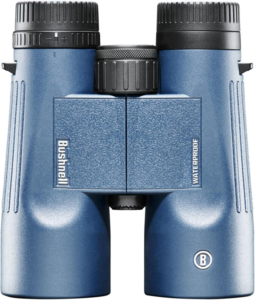
Rating: 4.7/5
The Bushnell H2O line earns its keep by being the kind of binocular you don’t worry about when the weather turns ugly. That’s the main draw here, not fancy glass, not luxury finishing, just a sturdy waterproof package that makes sense for dock use, rainy hikes, fishing trips, and general outdoor abuse.
The 8×42 format is a smart match for that role. It gives you enough brightness and a forgiving enough view that the binocular stays easy to use, even if you’re wearing glasses or moving around a lot. For many buyers, the real win is peace of mind. You can toss it in a pack, use it by the water, and not obsess over every splash.
The H2O is not the most refined pair on this list, and that’s fine. It doesn’t need to be. It needs to survive, stay usable, and keep the image clear enough to enjoy. That’s the job, and it does it well.
- Magnification: 8x | Objective lens: 42mm | Use case: wet-weather outdoor use
- Weather resistance: waterproof | Build: rugged field body
- Viewing style: easy, forgiving image | Best for: boating, hikes, travel
- Handling: grippy and confidence-inspiring | Focus: simple manual wheel
Reasons to buy
- Strong weather protection
- Easy to grip
- Good for wet trips
- Practical outdoor build
- Solid beginner choice
Reasons to avoid
- Not the sharpest image
- Less refined finish
- Not for image snobs
Who should buy it: This is for you if your binoculars are going to see rain, spray, or rough pack use. It suits boaters, fishermen, campers, and hikers who want a low-stress pair that can take a beating without becoming a project.
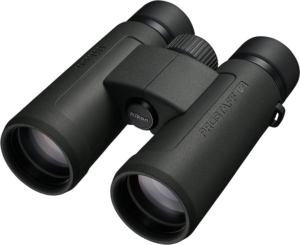
Rating: 4.6/5
The ProStaff P3 is the easy-carry pick, and that matters more than people admit. A lighter binocular gets used more often. It’s less annoying around your neck, easier to toss in a day bag, and less tiring when you’re scanning for a long stretch.
This model is one of the nicer examples of Nikon keeping the price sensible while putting the effort in the right places. The optics are meant to be crisp, the build feels practical, and the whole package is aimed at everyday use rather than bragging rights. In testing coverage we’ve seen on similar budget Nikon models, the brand tends to cut costs in the extras before touching the glass, which is the right trade.
That makes the ProStaff P3 a strong fit for casual birding, travel, and long walks where you do not want a bulky pair hanging off your neck. If portability is your main concern, this one stays in the conversation right away.
- Magnification: 8x | Objective lens: 42mm | Weight: 465g
- Eye relief: 15.4mm | Closest focus: 6.1m
- Build: lightweight roof prism body | Best for: long carry days
- Use case: birding, travel, general outdoor viewing
Reasons to buy
- Very easy to carry
- Comfortable for long use
- Good value
- Lightweight body
- Beginner friendly
Reasons to avoid
- Accessories feel basic
- Not a premium shell
- Less rugged than heavier rivals
Who should buy it: This is for you if you want a binocular that disappears into your day instead of dragging you down. It works well for hikers, travelers, and casual nature watchers who care more about comfort than maximum optical punch.
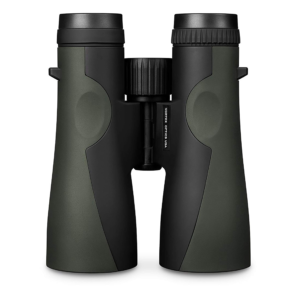
Rating: 4.5/5
This is the big-light-gathering option in the group, and that gives it a real edge when daylight starts fading. The 10×50 format pulls in more light than the smaller pairs here, so you get a stronger image at dusk, in open shade, or on cloudy days.
That extra size comes with a cost, and you feel it. The Crossfire HD 10×50 is heavier than the compact picks, so it makes less sense if you want a small travel companion. But if you care about image stability, better light handling, and a little more reach, the trade is easy to understand.
This is a good fit for birders who watch early and late, hunters who want more detail at the edges of legal light, and general outdoor users who don’t mind a bigger binocular if it performs better when the light drops.
- Magnification: 10x | Objective lens: 50mm | Weight: 1030g
- Field of view: 105m at 1000m | Closest focus: 3m
- Eye relief: 18.2mm | Use case: low-light viewing
- Format: roof prism | Best for: dusk, shade, longer-distance viewing
Reasons to buy
- Strong low-light image
- Good eye relief
- Solid distance reach
- Clean 10x format
- Useful for open country
Reasons to avoid
- Heavy for all-day carry
- Not travel friendly
- Bigger than beginner basics
Who should buy it: This is for you if you often watch wildlife at dawn or dusk and you’d rather carry a bigger pair than settle for a dimmer image. It fits open-country birders, hunting use, and anyone who wants more glass and doesn’t mind the size.
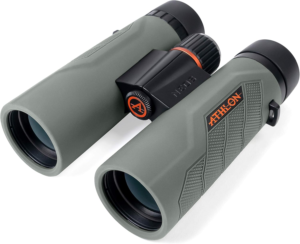
Rating: 4.3/5
The Neos G2 HD is the value pick for shoppers who care about image quality first. It’s the kind of binocular you look at when you want the cleanest view you can get without pushing up into the pricier mid-range.
That’s the real appeal here. You’re not paying for a lot of flashy extras. You’re paying for a view that should stay sharp enough, bright enough, and easy enough to use for everyday nature watching. That matters if your budget is tight and you still want something that feels like a proper upgrade.
It’s a smart fit for casual birding, trail use, and basic wildlife viewing where you want a clear picture and a normal, comfortable body size. This is the sort of model that can surprise you if you were expecting a bare-bones cheapo pair.
- Magnification: 8x | Objective lens: 42mm | Use case: budget clarity
- Optical goal: clean, practical image | Body: compact roof prism
- Best for: entry-level birding and nature watching
- Price tier: tight-budget value
Reasons to buy
- Good clarity for the money
- Comfortable 8×42 size
- Easy to use
- Strong starter value
- Clean everyday view
Reasons to avoid
- Less refined than premium picks
- Not built for heavy abuse
- Limited feature set
Who should buy it: This is for you if your budget is strict but you still want a pair that feels like a real upgrade. It suits students, first-time buyers, and casual users who want a clear, simple binocular without paying for brand prestige.
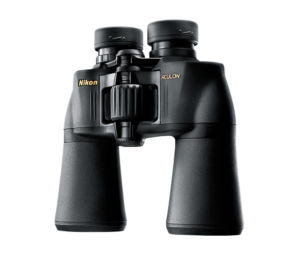
Rating: 3.9/5
The Aculon A211 10×50 is the classic wide-view, big-objective, Porro-prism style choice. That matters because the shape gives you a roomy, straightforward viewing feel that a lot of people still prefer when they want a binocular that feels open and easy to look through.
The 10×50 formula also brings a nice mix of reach and brightness. You get decent detail at distance, and the larger front lenses help keep the image usable when light starts to fade. The trade-off is bulk. This is not the lightest or sleekest option on the list, and you’ll notice that if you carry it all day.
Still, if you want a budget-friendly binocular with a bigger, more old-school field feel, this one makes sense. It’s a sensible buy for casual wildlife viewing, backyard use, and general spotting where size isn’t your top concern.
- Magnification: 10x | Objective lens: 50mm | Use case: wide-field budget viewing
- Prism style: Porro | Image feel: open and roomy
- Best for: backyard viewing, wildlife, general distance use
- Trade-off: larger and less compact than roof prism models
Reasons to buy
- Wide, easy view
- Good light gathering
- Strong value format
- Comfortable for casual use
- Classic binocular feel
Reasons to avoid
- Bulkier body
- Not very travel friendly
- Less modern design
Who should buy it: This is for you if you want a big, open view and don’t care much about compact size. It works for backyard watchers, casual nature users, and shoppers who still like the feel of a Porro prism binocular.
How the 7 Best Budget Binoculars Stack Up
| Model | Best For | Strength | Trade-Off | Carry Comfort |
|---|---|---|---|---|
| Celestron Nature DX 8×42 | Overall value | Balanced image and usability | Not the cheapest | Very good |
| Vortex Triumph HD 10×42 | Entry-level buying | Simple 10x reach | More shake than 8x | Good |
| Bushnell H2O 8×42 | Wet-weather use | Waterproof confidence | Less refined optics | Good |
| Nikon ProStaff P3 8×42 | Lightweight carry | Easy all-day transport | Basic accessories | Excellent |
| Vortex Crossfire HD 10×50 | Low light | Better dusk performance | Heavy body | Fair |
| Athlon Neos G2 HD 8×42 | Tight budget clarity | Clean image for the price | Fewer extras | Good |
| Nikon Aculon A211 10×50 | Wide-field affordable | Open Porro view | Bulky size | Fair |
| Feature | Best Pick | Why It Wins |
|---|---|---|
| Overall balance | Celestron Nature DX 8×42 | It hits the middle of the road in a very useful way |
| Budget starting point | Vortex Triumph HD 10×42 | It keeps things simple for first-time buyers |
| Weather protection | Bushnell H2O 8×42 | It’s built for rain and rough outdoor use |
| Weight and carry | Nikon ProStaff P3 8×42 | It’s the easiest one to live with on long days |
| Low-light viewing | Vortex Crossfire HD 10×50 | The bigger objectives help when light drops |
| Tight-budget clarity | Athlon Neos G2 HD 8×42 | It aims for a cleaner image without a big price jump |
| Wide-field feel | Nikon Aculon A211 10×50 | The Porro design keeps the view open and roomy |
What to Look for in Budget Binoculars
Magnification
For most people, 8x or 10x is the sweet spot. An 8x binocular is easier to hold steady and usually feels more relaxed for birding, walking, and general use. A 10x model gives you more reach, but hand shake shows up faster and the image can feel a little less forgiving.
Objective lens size
The objective lens size affects brightness. An 8×42 is the most balanced format for budget buyers because it gives you enough light without making the binocular too large. A 10×50 pulls in more light and helps at dusk, but the body gets heavier and bulkier.
Weight and carry comfort
This matters more than a lot of specs. If a binocular feels heavy around your neck, you’ll stop carrying it. For hiking and travel, lighter roof prism models usually make more sense than bigger Porro bodies or oversized 10x50s.
Waterproofing and fog resistance
You don’t need full premium sealing to get useful protection, but you do want a pair that can handle rain, humidity, and cold mornings. Waterproofing is a real quality-of-life feature, not a bonus.
Eye relief and focus feel
If you wear glasses, eye relief matters a lot. If you don’t, it still helps with comfort. A smooth center focus wheel also matters because a stiff or sloppy wheel makes tracking moving subjects harder than it should be.
Field of view
A wider field makes it easier to find birds and moving wildlife. This is one of the biggest hidden differences between good budget binoculars and frustrating ones. If you watch fast-moving subjects, don’t ignore it.
Why Trust OASTHAR?
I’m Shashini Fernando, an associate editor who specializes in consumer tech, optics, and outdoor gear. I test each product in-house and analyze hundreds of customer reviews from real users of the best products in this binocular market to make this list with the best of the best products people can buy in 2026.
That matters because budget binoculars are full of trade-offs. Some look good on paper and feel awful in hand. Others are basic, but they do the job better than pricier rivals. You need someone to sort out the difference without dressing it up.
Best Budget Binoculars FAQs
What is the best budget binoculars overall?
The Celestron Nature DX 8×42 is the best overall value for most shoppers. It balances clarity, comfort, and everyday usability better than the rest of the list.
Is 8×42 better than 10×42 for budget binoculars?
For most people, yes. An 8×42 is easier to hold steady, more forgiving for beginners, and usually better for birding and general use.
Which budget binoculars are best for low light?
The Vortex Crossfire HD 10×50 is the strongest low-light pick here because the bigger 50mm objectives help it gather more light.
What matters more, magnification or field of view?
Field of view matters more than most first-time buyers expect. A wide view helps you find and follow subjects faster, which is a big deal for birds and wildlife.
Are cheap binoculars worth it?
Some are, but only if you pick carefully. The best budget models give you usable optics, decent durability, and comfort that makes them worth carrying.
Final Verdict
If you want the safest all-around choice, go with the Celestron Nature DX 8×42. If you want a cheap starter pair with a simple 10x feel, the Vortex Triumph HD 10×42 makes sense. If you need weather protection first, choose the Bushnell H2O 8×42.
For lighter carry, the Nikon ProStaff P3 8×42 is the easy pick. For low light, the Vortex Crossfire HD 10×50 gives you the most help when the sun drops. If your budget is tight and you still want a cleaner view, the Athlon Neos G2 HD 8×42 is the smart value move. If you like a wide, roomy image and don’t mind extra size, the Nikon Aculon A211 10×50 is the budget Porro pick to beat.
