

The DJI Osmo Pocket 3 is still worth it in 2026 if you care about smooth video more than bragging rights. The DJI Osmo Pocket 3 is the kind of camera you buy because you want to shoot faster, lighter, and with less fuss.
This review keeps things practical. You’ll get the real-world stuff that matters, how it feels to carry, how good the footage looks, where the audio helps, and where the camera still gets on your nerves.
RELATED: DJI Osmo Pocket 4 Review: Best Pocket Camera for Solo Creators
Quick Summary
The short version is simple. You get a pocket-sized camera that shoots clean video, moves like a tiny steadicam, and makes solo filming easier than it has any right to be. That built-in gimbal is the star here, but the 1-inch sensor and the rotating screen matter just as much when you’re actually using it.
The tradeoffs are real, though. There’s no weather sealing, no optical zoom, and a few controls feel fiddly. Tracking is helpful, but not perfect. If you want a compact vlogging camera and you shoot often, this still makes a lot of sense. If you only film now and then, it can feel like a lot of camera for the job. For a broader look at compact options, Oasthar’s best pocket cameras roundup is a good place to compare the field.
For another outside take, PCMag’s review of the Osmo Pocket 3 lines up with the same main idea, strong video and excellent stabilization, but with a price that won’t suit every buyer.
Specifications
Here’s the quick buyer-focused snapshot.
| Spec | DJI Osmo Pocket 3 |
|---|---|
| Sensor | 1-inch sensor |
| Video | Up to 4K at 120fps |
| Color | 10-bit D-Log M and HLG |
| Stabilization | 3-axis gimbal |
| Screen | 2-inch rotating OLED touchscreen |
| Storage | microSD card slot |
| Vertical video | 3K vertical recording |
| Audio support | DJI Mic 2, up to two transmitters |
| Battery | Often lasts a full day in real use, fast charging |
| Weight | Pocket-friendly, compact body |
That table tells the story pretty well. You are paying for portability, stabilization, and a camera that is built around video first.
Design & Build Quality
This is the part that wins people over fast. The Pocket 3 really does fit in your pocket, which sounds obvious until you start comparing it with mirrorless gear, tripods, mics, and all the other stuff you usually end up carrying. Rotate the screen and it wakes up fast. That makes it feel more like a tool you grab than a camera you prepare.
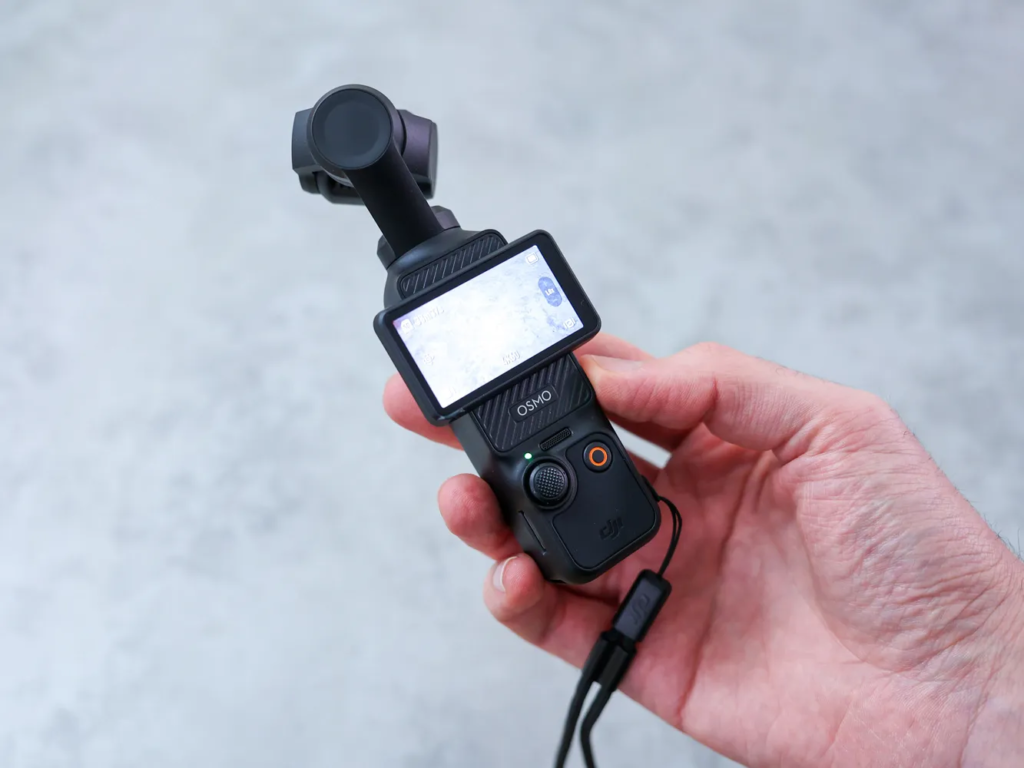
The body is small enough that you can keep it in a bag without thinking about it. That matters on trips. It also matters when you want to film a quick walk, a street scene, or a short talking-head clip without building a whole setup.
There are a few annoyances. The tiny joystick is usable, but it doesn’t feel as natural as you’d hope. The protective case is bulky, so the camera loses some of its pocket magic once you keep everything together. The red record button can also wake the camera in your pocket or bag, which is more annoying than harmful, but still wastes battery. And yes, there’s no weather sealing, so rain is not your friend here.
Image & Video Quality
This is where the Pocket 3 stops being a neat gadget and starts feeling like a serious creator tool. The 1-inch sensor gives you cleaner detail, better low-light behavior, and more background separation than you usually get from a phone. In many everyday scenes, that alone makes your footage look more deliberate.
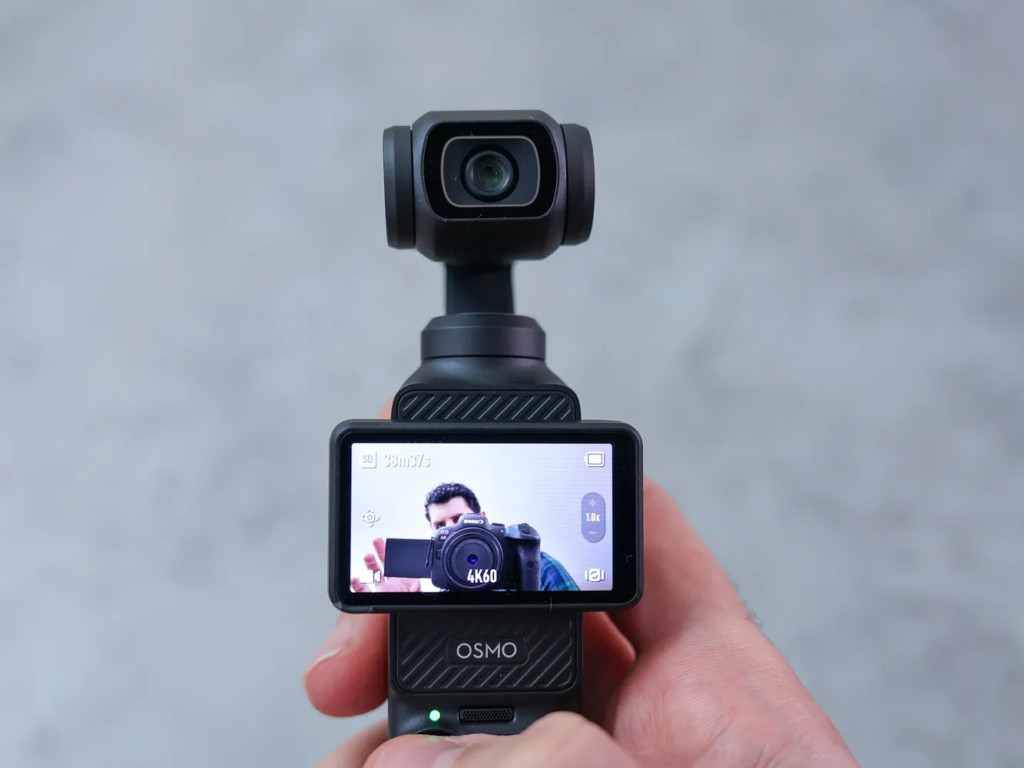
You also get 4K at 60fps for normal shooting and 4K at 120fps when you want slow motion. Add 10-bit D-Log M or HLG, and you have more room to shape the image later. That matters if you care about matching footage or giving your clips a less processed look.
The image is impressively polished for something this small. Still, it is not a replacement for a larger mirrorless camera. A bigger camera will give you more flexibility and a different kind of image. The Pocket 3 gets you closer than you’d expect, but it does not erase physics.
The biggest surprise is not that it looks good, it’s that it looks good without making you work for it.
Stabilization & Handling
The built-in 3-axis gimbal is the reason many people buy this camera, and it earns the hype. Walking shots stay smooth, even when you are moving fast or filming on the go. That makes a huge difference if you vlog alone or record travel clips without a helper.
Face tracking and object tracking help too, especially when you set the camera on a tripod and step into frame. The camera can follow you around, keep you centered, and save you from constantly checking framing. You can also lock focus for static shots, which is handy when you want the camera to stay on a product or a fixed point.
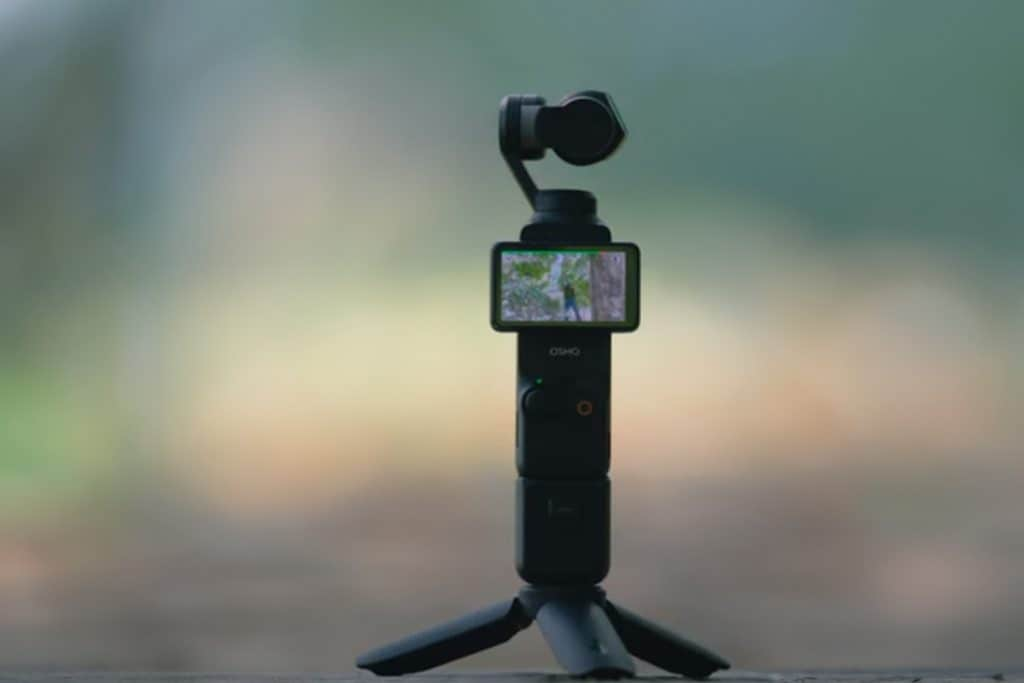
That said, tracking can be hit or miss. Sometimes it follows too eagerly, sometimes it drifts to the edge before it reacts, and sometimes it loses lock if you move awkwardly or pass behind something. Oasthar’s Pocket 3 vs Pocket 4 guide is worth a look if you want to see how the newer rumor cycle changes the conversation around tracking and image upgrades.
For a second outside read, Trusted Reviews’ Pocket 3 review also leans hard on the same strength, the gimbal makes ordinary footage look calm and usable.
Low-Light Performance
You do get better low-light results than you’d expect from a camera this small. The larger sensor and the gimbal help a lot in dim rooms, evening streets, and indoor travel shots. Because the stabilization is physical, the camera can stay usable in situations where a phone starts looking messy or shaky.
Even so, this is not a night monster. Push the ISO too high and noise starts to show. Faces can get a little muddy if the light gets bad enough. In practice, you want to keep your expectations grounded. The Pocket 3 handles darkness better than many pocketable cameras, but it still wants decent light.
If you film indoors or at dusk, it gives you a much better shot at clean footage than a phone alone. Just do not expect it to turn a dark alley into a polished studio.
Audio & Mic Support
The built-in microphones are good for casual vlogs, scratch audio, and quick clips. The front mic is the one you care about most when you are facing the camera, which makes sense for a vlogging camera. The side and rear mics are less useful for direct voice capture.
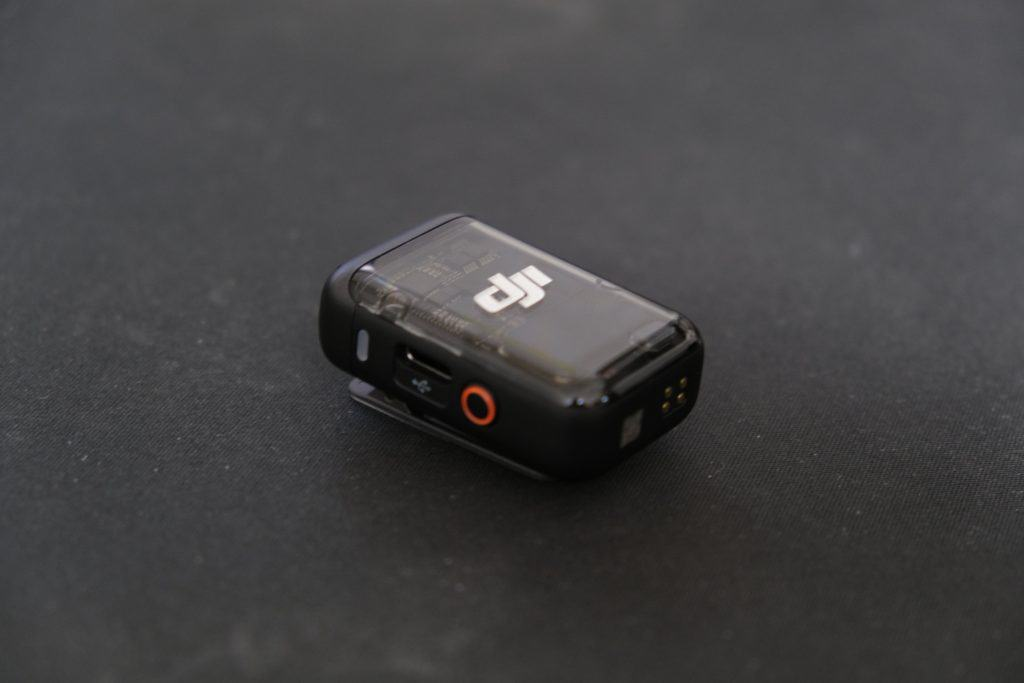
Where this camera gets more interesting is the DJI Mic 2 support. You can pair up to two transmitters, and pairing is quick once you have it set up. That makes the whole thing easy for solo filming, interviews, and run-and-gun use. You can also record an onboard backup track, which has saved real shoots when wireless audio was not behaving.
That backup matters more than people think. It gives you a fallback when a mic clips, drops, or sounds worse than you expected. If you care about clean voice capture, the Pocket 3 with a Mic 2 is one of the strongest compact setups around.
Battery Life & Charging
Battery life is one of the Pocket 3’s better traits. In real use, it can last through a full day of casual shooting, which is exactly what you want when you are traveling or moving around all day. When you do need power, charging is fast enough that it feels practical instead of annoying.
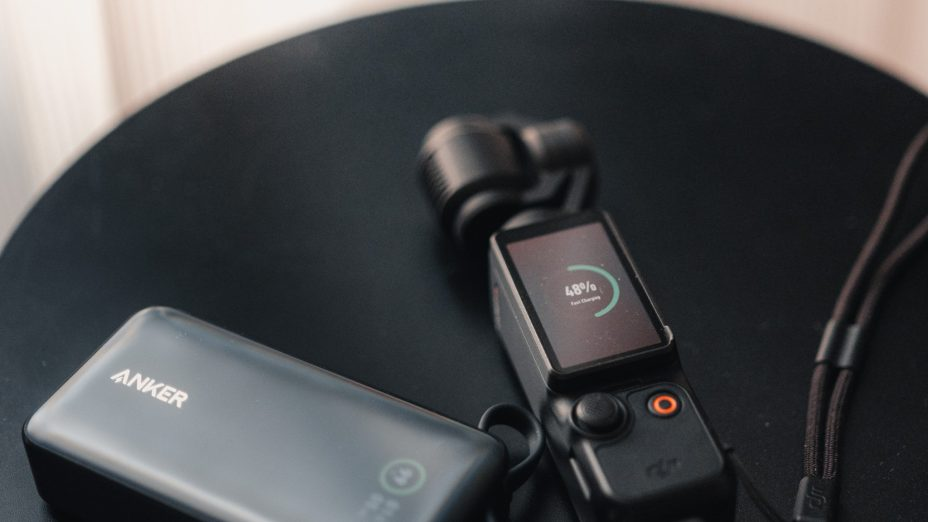
The battery base adds more power and makes longer sessions easier, but there is one catch. If you leave it attached while the camera is off, it can still drain. That is the sort of small quirk that only shows up after you live with the camera for a while.
For long days out, the battery situation is strong. You still need to pay attention, but you do not need to baby the thing.
Storage & File Options
You need a microSD card, since there is no built-in storage. That is normal for a camera like this, but it still means one more thing to manage before you head out.
Recording options are broad enough for most creators. You can shoot in 4K, 2.7K, 1080p, and 3K vertical video. It also supports 10-bit recording, with H.265 or H.264 file options depending on your workflow. The creative modes are here too, including timelapse, motionlapse, panorama, and digital zoom.
The zoom is useful, but it is not optical. That matters. Digital zoom is fine in a pinch, yet it will not give you the same quality or flexibility as a real lens. If zoom is a big part of how you shoot, this is not the camera you want.
App, Controls & Ease of Use
This camera is easy to start using, and that is half the appeal. Rotate the screen, power it on, hit record, and move on. The touchscreen UI is clean and responsive, so you are not fighting the menus just to get a clip started. Selfie mode is simple, and the little joystick gives you basic control over the gimbal.
You can also control it through your phone, which helps if you want to set up a shot from a distance. That is useful for car shots, self-filmed scenes, or anything where you want to stand away from the camera.
The annoyances are small, but they stack up. Sometimes there is a delay when waking the camera, sometimes face detection misses you, and notifications can take over the screen at the wrong moment. Nothing here is a dealbreaker, but it is not flawless either.
Connectivity & Ports
The Pocket 3 keeps the connection story pretty focused. You get Wi-Fi support, DJI Mic 2 pairing, and a USB connection that handles power and audio accessories. That is the kind of setup that makes sense for a compact creator camera.
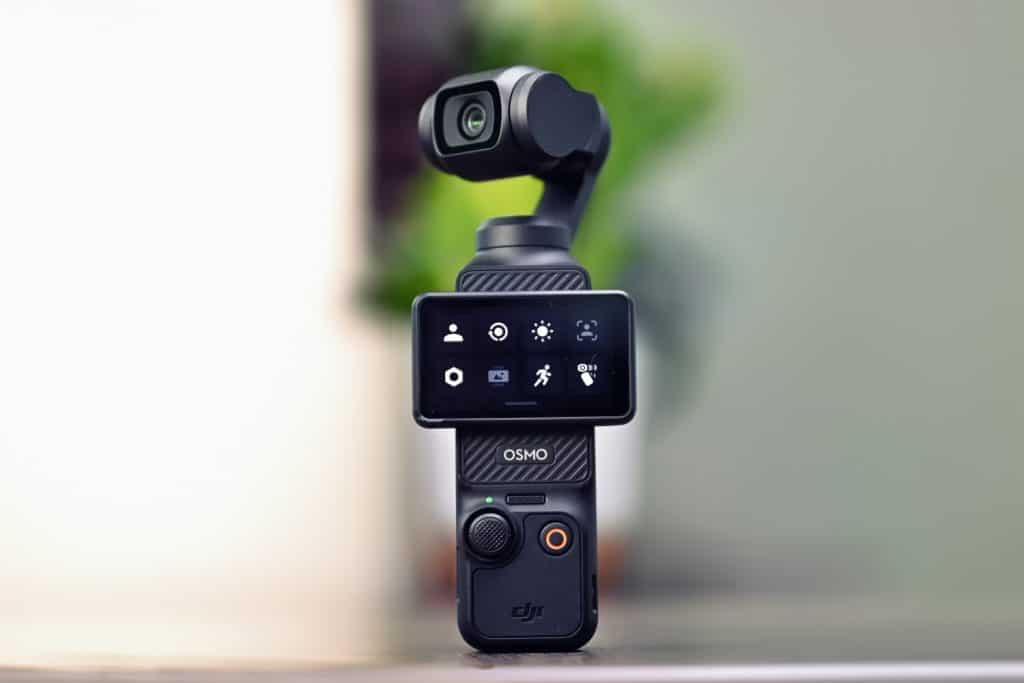
The frustrating part is the body itself. There is no built-in tripod screw on the camera, so you often need an extension or a base to mount it properly. If you want a tiny all-in-one rig, that extra piece can feel like one step too many.
Still, the port layout matches the way most people actually use this camera. It is built for quick add-ons, not for building a huge rig.
Price & Value
In May 2026, the price is moving around a lot in the US. The basic model is often sitting around the $470 to $500 range when you can find it, while the Creator Combo costs more. That is a lot of money for a pocket camera, and if you only shoot occasionally, you may feel that hard.
If you film often, the value gets better fast. The Combo makes more sense if you want the wireless mic, battery base, and accessories without piecing things together later. If you are still deciding whether a newer model is worth waiting for, Oasthar’s Pocket 4 vs Pocket 3 comparison can help you weigh the timing.
The short version is this, the Pocket 3 is not cheap, but it pays you back in time, convenience, and cleaner footage.
Who is it for?
Buy it if you want a pocket-sized vlogging camera, smooth walking shots, and easy self-filming. Buy it if you care about better video than your phone can usually give you. Buy it if you travel often and want something that disappears into a small bag.
Do not buy it if you need weather sealing. Do not buy it if optical zoom matters to you. Do not buy it if you want a rugged camera that you can toss around without thinking. You should also skip it if you only film a few times a year, because the price and accessory costs will feel steep.
FAQs
Is the DJI Osmo Pocket 3 still worth buying in 2026?
Yes, it still is if you want a tiny camera that gives you steady, good-looking video without dragging around a bigger setup. The built-in gimbal, 1-inch sensor, and strong autofocus still make it a very practical pick.
What does the Pocket 3 do better than a phone?
You get smoother movement, better low-light video, and a more controlled look than most phones can manage. If you film yourself, the rotating screen and face tracking also make solo shooting much easier.
Where does the Pocket 3 still fall short?
Battery life, weather resistance, and fragility are the main weak spots. It’s also not the best choice if you want optical zoom, serious ruggedness, or full-sized camera flexibility.
Is the Pocket 3 good for vlogging and travel videos?
It’s a strong fit for both. You can pull it out fast, shoot hand-held or on a small tripod, and keep your kit light, which is exactly why a lot of creators stick with it.
Should you wait for a Pocket 4 instead?
Not unless you’re happy to sit on your hands for a while. If you need a compact creator camera now, the Pocket 3 already does the core job well, and newer rumors don’t change that.
Final Verdict
The DJI Osmo Pocket 3 still earns its spot in 2026 because it solves a real problem, making good-looking video easy to shoot by yourself. The image quality is strong, the gimbal is the real deal, and the battery life holds up better than you’d expect. It also makes travel and solo filming feel less like a chore.
The limits are still there. No weather sealing, no optical zoom, and a few control quirks can get in the way. If you want a compact video-first camera and you will use it often, this is an easy recommendation. If you need rugged protection, real zoom, or only film casually, you should look elsewhere.