

Which phone makes more sense for you, the OnePlus 15 vs Google Pixel 10 Pro? That’s the real question, because these two flagships chase different wins even when they cost roughly the same kind of money.
The OnePlus 15 looks like the obvious power-user pick. You get a huge 7,300mAh battery, ultra-fast charging, a big 165Hz display, and Snapdragon 8 Elite Gen 5 muscle. The Pixel 10 Pro goes the other way, with Google’s software, steadier cameras, a bright 6.3-inch LTPO OLED, and a longer update promise.
If you’re stuck between raw power and smarter polish, this breakdown will make the choice easier.
RELATED: RedMagic 11 Air vs OnePlus 15: Which is Better?
Quick Summary
You can split this matchup fast. The OnePlus 15 is better for performance, gaming, battery life, charging speed, and durability. The Pixel 10 Pro is better for camera consistency, compact comfort, Google features, display brightness, and long-term software support.
That means your choice is less about specs on a sheet and more about how you use your phone. If you game, travel, multitask hard, or hate charging, OnePlus has the edge. If you want a smaller flagship that takes reliable photos and stays supported for years, Pixel makes more sense.
Winner: Tie Each phone wins cleanly in different areas, so your priorities decide this one.
Specifications
Here’s the short version before the deeper comparison.
| Spec | OnePlus 15 | Google Pixel 10 Pro |
|---|---|---|
| Starting price | $899 | $749 |
| Chip | Snapdragon 8 Elite Gen 5 | Google Tensor G5 |
| RAM | 12GB or 16GB | 16GB |
| Storage | 256GB or 512GB | 128GB, 256GB, 512GB, 1TB |
| Display | 6.78-inch LTPO AMOLED | 6.3-inch LTPO OLED |
| Refresh rate | Up to 165Hz | 1Hz to 120Hz |
| Battery | 7,300mAh | 4,870mAh |
| Wired charging | 120W | 30W |
| Wireless charging | 50W, plus reverse charging | 15W Qi2-ready magnetic charging |
| Rear cameras | 50MP wide, 50MP ultrawide, 50MP telephoto | 50MP wide, 48MP ultrawide, 48MP 5x telephoto |
| Front camera | 32MP | 42MP autofocus |
| Water resistance | IP66, IP68, IP69 | IP68 |
| Software | OxygenOS 16 on Android 16 | Android 16 |
| Update policy | 4 OS updates, 6 years security | 7 years |
The daily-use differences are easy to spot. OnePlus gives you more battery and much faster charging. Pixel gives you longer support and a more pocket-friendly size.
Winner: OnePlus 15 On pure hardware value, it gives you more headline spec for the money.
Design & Build Quality
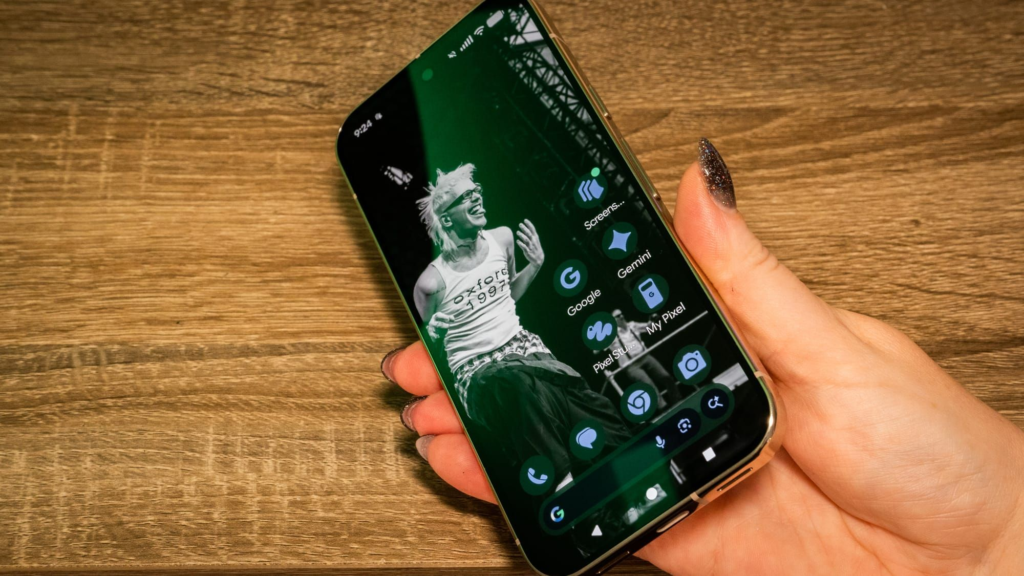
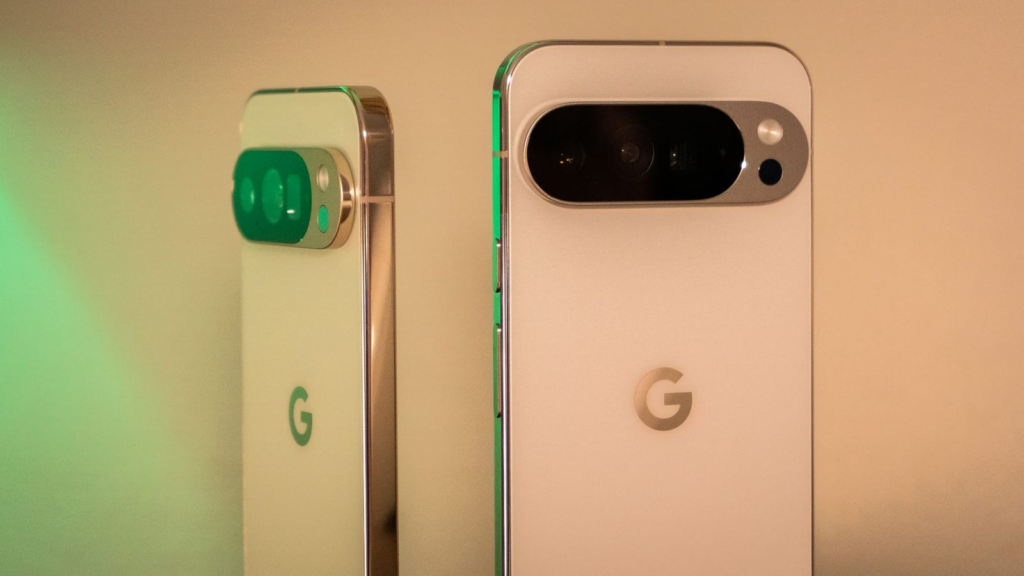
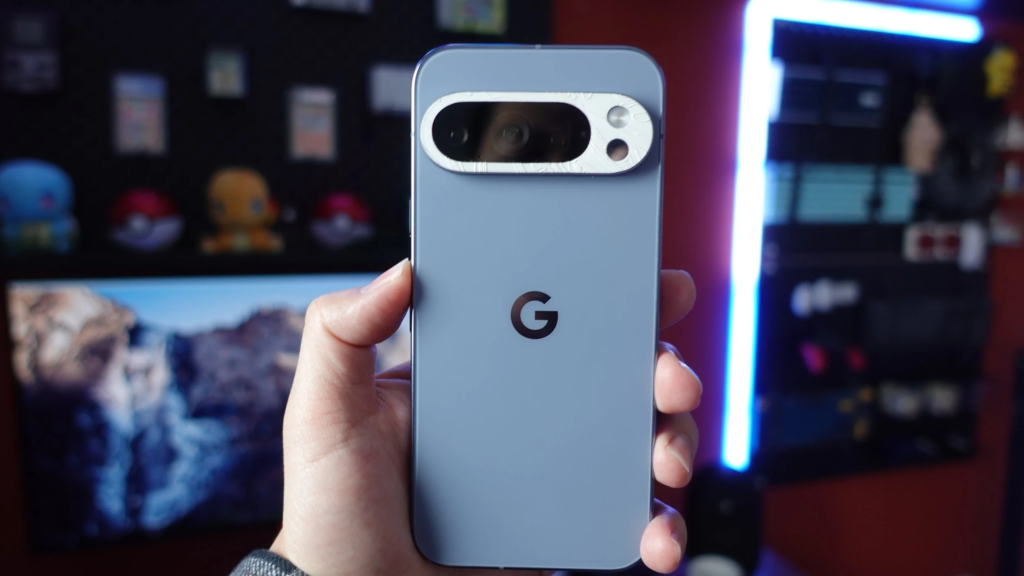
The Pixel 10 Pro is the easier phone to live with if you like a compact flagship. It’s smaller, weighs about 207g, and still feels premium. Google keeps the polished Pro look too, with a frosted back and glossy frame, plus IP68 protection.
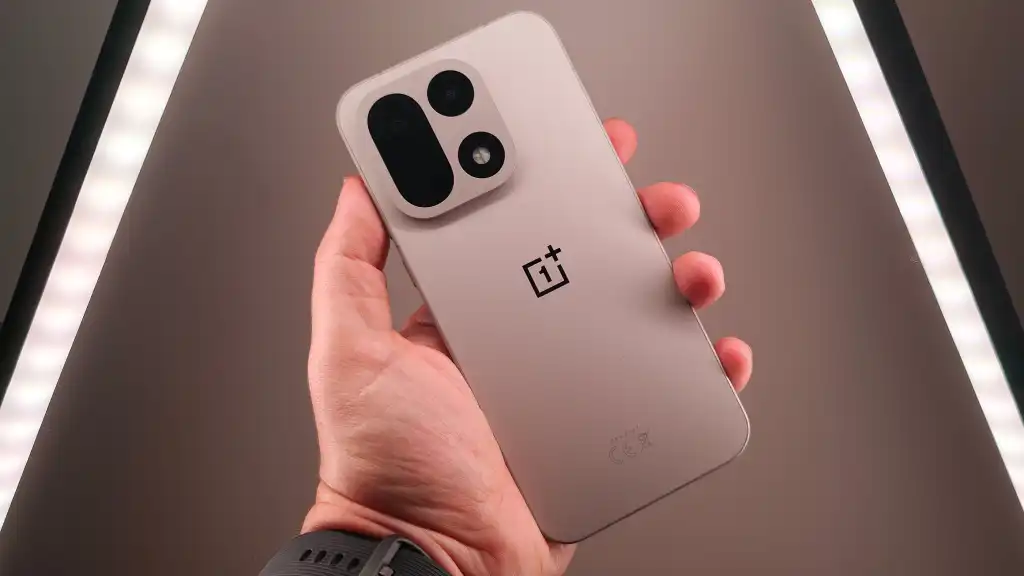
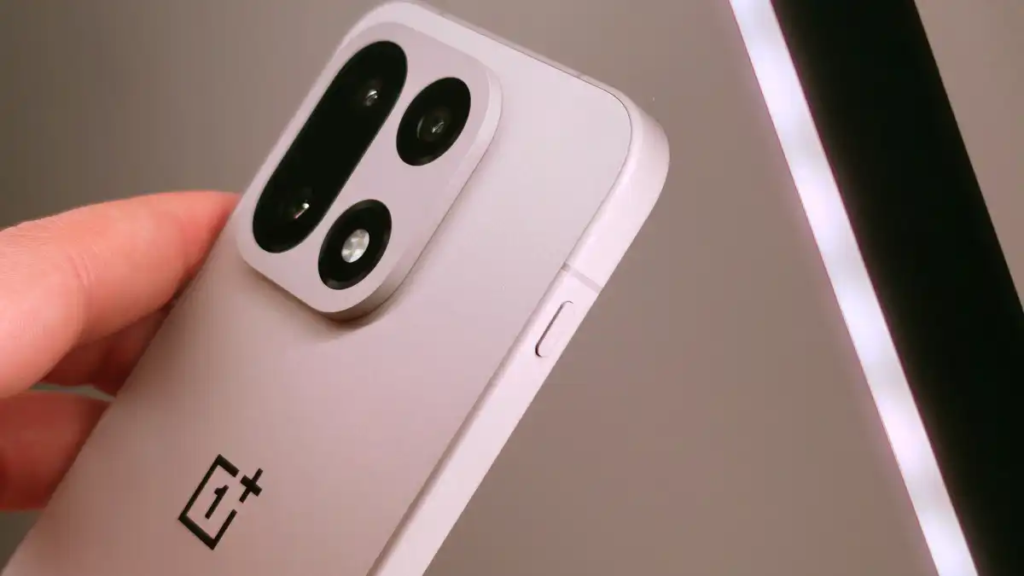
The OnePlus 15 is bigger at about 215g, more squared-off, and more substantial in hand. The centered camera module cuts down on desk wobble, and the matte finishes look cleaner than most glossy flagships. It also pushes durability further with IP66, IP68, and IP69 protection.
So which feel is better? The Pixel disappears into your pocket more easily. The OnePlus feels tougher and more planted.
Winner: Pixel 10 Pro Its smaller size makes day-to-day handling easier for more people.
Display Quality
Google gives you a 6.3-inch LTPO OLED that punches way above its size. In testing, the Pixel 10 Pro reached around 1,400 nits manually and about 2,350 nits in auto mode, so outdoor visibility is no problem. You also get HDR10+ and Ultra HDR image support, which helps photos and video look vivid without looking messy.
OnePlus goes bigger with a 6.78-inch LTPO AMOLED panel. It can hit up to 165Hz in supported cases, stays very sharp, and is built for people who watch, game, and scroll a lot. Dolby Vision and HDR10+ support help on the media side too. For broader context on how aggressive OnePlus has been with this display setup, this OnePlus 15 specs comparison shows the same pattern against other 2026 flagships.
If you want compact and bright, Pixel wins. If you want bigger and faster-feeling, OnePlus does.
Winner: Tie Pixel is better outdoors, while OnePlus is better for size and gaming appeal.
Performance
Yes, and it’s not close under heavier loads.
The Pixel 10 Pro feels smooth in normal use. Apps open fast, Android 16 looks slick, and the Tensor G5 is tuned well for Google’s AI and camera work. But benchmark results and stress testing place it behind top Snapdragon phones, and sustained performance drops harder under load.
The OnePlus 15 is built for speed first. You get the newer Snapdragon chip, fast UFS 4.1 storage, strong cooling, and the kind of headroom that helps in gaming and long multitasking sessions. If you want another opinion on the broader tradeoff, Tech Advisor’s side-by-side review lands in a similar place.
If gaming is your main hobby, the RedMagic 11 Air vs OnePlus 15 comparison is worth a look too, because it shows where OnePlus stops and dedicated gaming phones take over.
Winner: OnePlus 15 It has more raw power and better performance headroom.
Battery Life & Charging
This is where the gap gets huge.
The OnePlus 15 has a 7,300mAh battery, and reviews describe it as a real two-day phone. Some people even pushed it further with lighter use. It also charges at 120W wired and 50W wireless, with reverse charging in the mix. That means you can forget about battery anxiety, then top up fast when you finally need to.
The Pixel 10 Pro has a 4,870mAh battery. Some reviewers got roughly a day and a bit from mixed use, but other testing called it below average for a 2025 flagship. Charging is slower too, around 30W wired and 15W wireless, though the Qi2-ready magnetic system is a nice convenience. Android Authority’s look at OnePlus battery gains helps show how far ahead OnePlus is on endurance and charging speed.
If you travel, game, or use navigation a lot, this difference is hard to ignore.
Winner: OnePlus 15 It lasts much longer and charges far faster.
Software & Ecosystem
This one depends on what kind of software person you are.
The Pixel 10 Pro gives you Google’s version of Android 16, Material 3 Expressive design, deep Gemini integration, Camera Coach, AI photo tools, and a seven-year support promise. If you like clean menus, first-party Google features, and a phone that stays current longer, Pixel is hard to beat.
The OnePlus 15 runs OxygenOS 16, and it’s fast, flexible, and packed with customization. You can tweak a lot more here than you can on a Pixel. But the support window is shorter at four OS updates and six years of security patches, and some reviewers found the current notification behavior frustrating enough to matter. If you want OnePlus ecosystem context beyond the phone, the OnePlus Watch 3 review helps show where the brand is strongest.
Winner: Pixel 10 Pro It has cleaner software, smarter Google extras, and longer support.
Connectivity
Both phones cover the flagship basics well, but the standout extras differ. The Pixel 10 Pro adds Qi2-ready magnetic accessory support and satellite connectivity for emergency use, which can matter more than you think when you travel.
OnePlus counters with strong wireless performance, a custom connectivity chip, and the usual premium-grade feature set you expect in this class. In practice, Pixel has the more distinctive convenience advantage.
Winner: Pixel 10 Pro Magnetic accessory support and satellite emergency features add useful everyday value.
Cameras, Mic & Speakers
The Pixel 10 Pro is the safer camera phone.
You get a 50MP main camera, 48MP ultrawide, and 48MP 5x telephoto. Photos usually have strong color, wide dynamic range, and dependable results without much effort. Video is also a strength, with 4K60 available across all cameras and solid stabilization. Selfies are strong too, thanks to the 42MP front camera with autofocus. The weak spots are familiar Pixel ones: some zoom shots look too processed, and the extreme zoom modes are more party trick than must-have feature.
The OnePlus 15 uses three 50MP rear cameras and can shoot 8K30, but the results are less predictable. Some portraits and low-light shots look great. Other images show heavier processing, extra noise, or a slightly fake look to detail and contrast. This broader OnePlus versus Pixel breakdown frames that split well. Audio also leans Pixel, since its stereo speakers tested very well and the OnePlus audio story wasn’t praised with the same confidence.
Winner: Pixel 10 Pro It gives you better consistency for both photos and video.
Extra Features
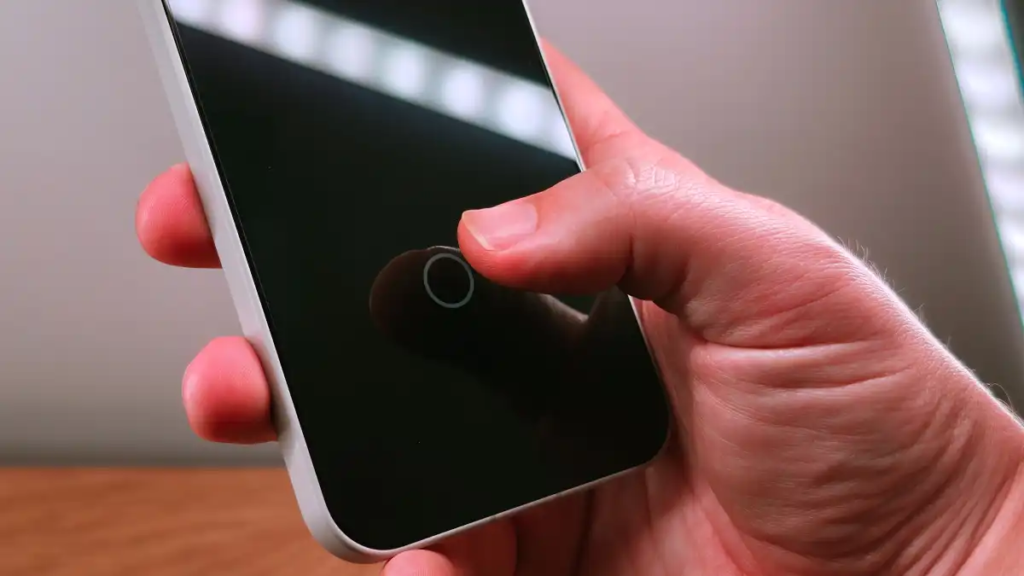
The Pixel 10 Pro packs a lot of useful small stuff. You get an ultrasonic fingerprint reader, magnetic charging accessory support, a thermometer, Google AI editing tools, and satellite emergency support. If you like smart extras that feel integrated, this is the cleaner package.
The OnePlus 15 answers with its own ultrasonic fingerprint scanner, an IR blaster, bypass charging for gaming, gaming-focused tools, a customizable button, and tougher water resistance. Those are better extras if you care about utility and long play sessions more than Google-style smarts.
Winner: Tie Pixel has smarter extras, while OnePlus has more practical hardware perks.
Price & Value
The Pixel 10 Pro starts lower at $749, and that matters. You’re getting the better camera system, Google’s software experience, and a much longer update policy for less money up front.
The OnePlus 15 starts at $899 in the US, and the 16GB/512GB model goes to about $999. That sounds worse until you factor in what you get back: a monster battery, much faster charging, stronger performance, and a larger display. If your buying math leans toward power per dollar, OnePlus still looks good.
Winner: Tie Pixel is the cheaper, safer buy, but OnePlus gives you bigger hardware returns.
Who is Each Phone Really for?
Choose the OnePlus 15 if you want speed, battery life, and a bigger screen
Pick the OnePlus 15 if you game a lot, multitask hard, or hate reaching for a charger before dinner. It’s also the better fit if you want a large display, aggressive charging, stronger durability ratings, and more software customization.
If your phone is part work tool, part entertainment slab, this one makes a strong case.
Choose the Pixel 10 Pro if you want better cameras, smarter Google features, and longer support
Pick the Pixel 10 Pro if you want a smaller flagship that feels easier to carry every day. It’s also the better choice if you care about dependable point-and-shoot photos, Google AI features, strong outdoor display performance, and seven years of updates.
If you want a phone that asks less from you and still gets the basics right, Pixel is the simpler answer.
FAQs
Which phone is better for battery life and charging?
The OnePlus 15 is the easy winner here. Its huge 7300mAh battery can stretch into two days for many people, and its wired and wireless charging are much faster.
Does the Pixel 10 Pro take better photos than OnePlus 15?
For most people, yes. The Pixel 10 Pro is more consistent, looks more natural, and handles low light and zoom better, while the OnePlus 15 can look overly processed.
Is the OnePlus 15 faster than the Pixel 10 Pro?
If speed is your thing, go OnePlus 15. Its Snapdragon 8 Elite Gen 5 is stronger for gaming, sustained performance, and heavy multitasking than Google’s Tensor G5.
Which phone gives you better value for the money?
That depends on what you care about most. Pixel 10 Pro is cheaper at entry level, but OnePlus 15 gives you more battery, more storage, and stronger raw performance.
Should you buy Pixel 10 Pro for software and updates?
If software matters more than specs on paper, yes. Pixel 10 Pro gives you cleaner Android, tighter Google feature integration, and a longer update promise than OnePlus.
Is the OnePlus 15 display better than Pixel 10 Pro?
The answer is split. OnePlus 15 feels smoother with its 165Hz panel, but Pixel 10 Pro has a brighter, sharper display that many people will prefer outdoors.
Which phone is better if you play lots of games?
For gaming, OnePlus 15 makes more sense. It has the faster chip, a high-refresh display, and cooling hardware built to hold performance longer under load.
Does Pixel 10 Pro beat OnePlus 15 for video recording?
For most users, Pixel 10 Pro is the safer pick. Its video tools, stabilization, HDR options, and night video features are stronger and more polished overall.
Is OnePlus 15 a better pick for two-day use?
If you hate charging every night, absolutely. The OnePlus 15 is built around endurance first, and reviews consistently point to battery life as its biggest advantage.
Which phone should you buy if cameras matter most?
Pick the Pixel 10 Pro. If you want dependable results for portraits, low light, zoom, and video, it’s the better camera phone without much debate.
Final Verdict
The OnePlus 15 is the better pick if your top priorities are performance, battery life, charging speed, and a large display. It feels like a phone built for people who push their hardware.
The Pixel 10 Pro is the better pick if you care more about camera reliability, Google’s software features, compact size, and long-term support. It gives you fewer wow specs, but more day-to-day confidence in the areas many people notice first.
This isn’t a tricky call once you know what you value.