

You’re shopping in the deep end of true wireless, and the Sony WF-1000XM6 vs Sennheiser Momentum True Wireless 4 matchup is where the real trade-offs show up. If you want the quickest answer, the Sony is the safer all-round pick for ANC, calls, and tuning that sounds natural across genres, while the Sennheiser is the one to grab if you’re chasing a bigger, richer presentation and a top-tier transparency mode. Either way, you’re not buying a “good enough” earbud here, you’re choosing a priority.
Sony comes in hot with a new noise-cancelling processor, strong fit tools in the app, and a feature set that checks every box, but you’ll also want to think about the case size and tip options. Sennheiser counters with Bluetooth 5.4 and modern codec support, plus a reputation for strong bass, emotional mids, and a wide soundstage that feels bigger than most rivals.
In this guide, you’ll get a clean verdict after we run through specs, comfort and build, sound (bass, mids, treble), ANC, mic quality, app and EQ options, controls, battery, price, and who each pair fits best.
RELATED: Sony WF-1000XM6 vs Galaxy Buds 3 Pro: Which is Better?
Quick Summary
- Noise canceling: Sony leans hard into top-tier ANC with a new QN3e processor and adaptive tuning that reacts to fit and environment.
- Sound style: Sony’s XM6 tuning is described as more natural and warmer than the XM5, while staying detailed and controlled.
- Calls: Sony puts a spotlight on voice pickup, with beamforming plus bone-conduction sensors and strong wind handling.
- Android codecs and future features: Sennheiser is the more Android-friendly pick, with Bluetooth 5.4, aptX Lossless and Adaptive, and LE Audio plus Auracast support (via update).
- Battery and durability: Sennheiser runs longer overall (up to 30 hours total) and has stronger dust plus water resistance (IP54 vs Sony’s IPX4).
Winner: Sony WF-1000XM6. It fits more people because quiet commuting and clean calls matter every day, across any phone.
Pick Sony if quiet travel and clear calls matter most
Sony’s WF-1000XM6 is built around its third-gen HD Noise Cancelling processor (QN3e) and an Adaptive NC Optimiser that adjusts for your fit and surroundings. That combo is why the XM6 is getting “best in class” noise blocking talk in early coverage, including reviews like The Verge’s WF-1000XM6 review.
Calls are a big reason to choose Sony too. You get AI beamforming, bone-conduction sensors, and wind noise reduction design working together.
Downsides are real: IPX4 only, a bulkier case, and limited eartip options (no XL size mentioned).
Winner: Sony WF-1000XM6. You’ll notice the ANC and call advantage every week if you commute or travel.
Pick Sennheiser if you want Android-friendly lossless and longer total battery
Sennheiser’s Momentum True Wireless 4 plays the long game. Bluetooth 5.4 support pairs with aptX Lossless and aptX Adaptive, plus LE Audio and Auracast readiness through firmware. If you use a modern Android phone and care about codec support, that’s a practical edge.
Total battery is also the clean win here: Sennheiser claims up to 30 hours including the case, and it offers fast Qi wireless charging.
ANC is adaptive and strong, but you shouldn’t buy it expecting it to clearly beat Sony’s latest.
Winner: Sennheiser Momentum True Wireless 4. Codec flexibility and longer total runtime matter more than small ANC differences for a lot of Android users.
Specifications
Here’s the spec sheet view, using only stated specs and current February 2026 pricing info.
| Spec | Sony WF-1000XM6 | Sennheiser Momentum True Wireless 4 |
|---|---|---|
| US launch price | $329.99 | $299 (MSRP at launch) |
| US street price (Feb 2026) | New launch, limited discounting | Often ~$250 to $280 (varies by retailer) |
| Release timing | Launched Feb 12, 2026 | Launched 2024 |
| Bluetooth version | 5.3 | 5.4 |
| Codec support | SBC, AAC, LDAC | SBC, AAC, aptX Adaptive, aptX Lossless (also supports LE Audio features via update) |
| Water and dust rating | IPX4 | IP54 |
| Battery (buds, ANC on) | 8 hours | About 7 to 7.5 hours (varies by mode) |
| Total battery with case | 24 hours | Up to 30 hours |
| Fast charge claim | About 5 minutes for 1 hour | About 8 minutes for 1 hour |
| Multipoint | Yes (2 devices) | Yes (2 devices) |
| Driver info | 8.4mm dynamic driver | TrueResponse transducer system (size not stated) |
| Case charging | Qi wireless charging | Qi wireless charging |
In real use, fit and your phone decide more than most rows here. If you’re on Android and want aptX Lossless, Sennheiser is the straightforward match. If you fly often, Sony’s ANC focus tends to matter more.
Winner: Tie. Specs favor different people, so your phone and commute decide it.
Design, Comfort & Build Quality
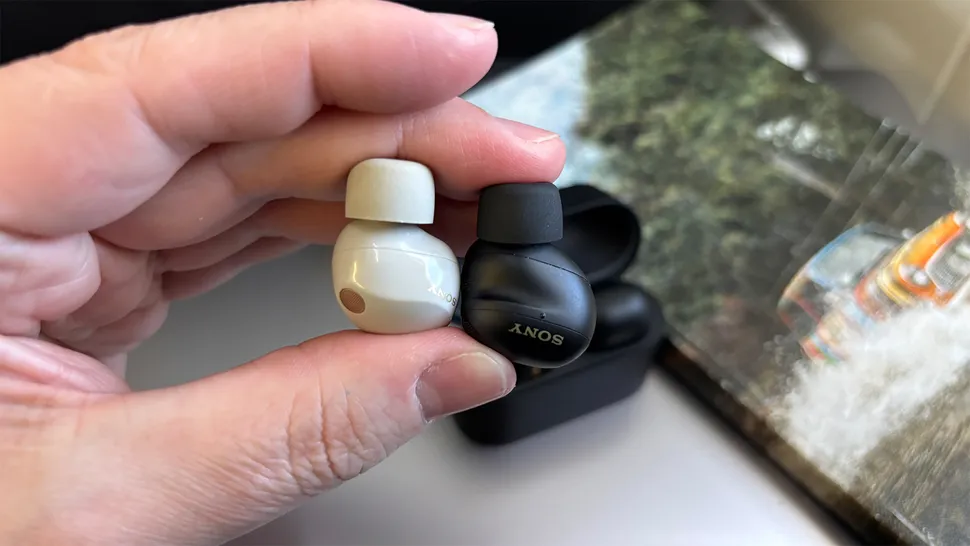
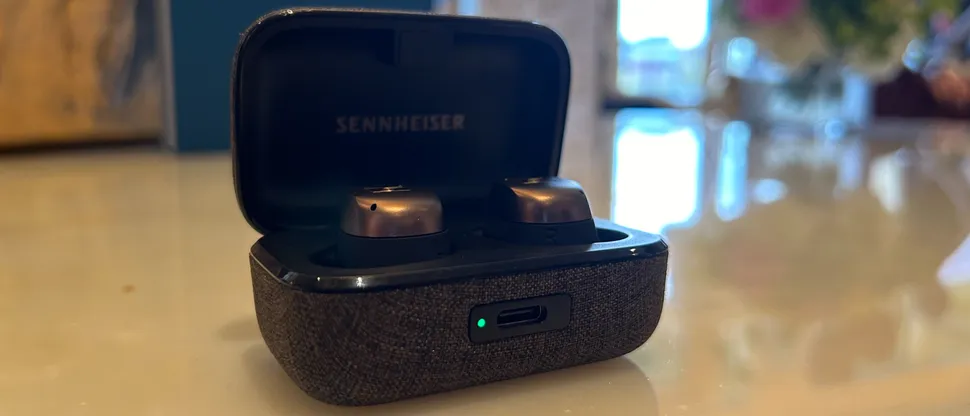
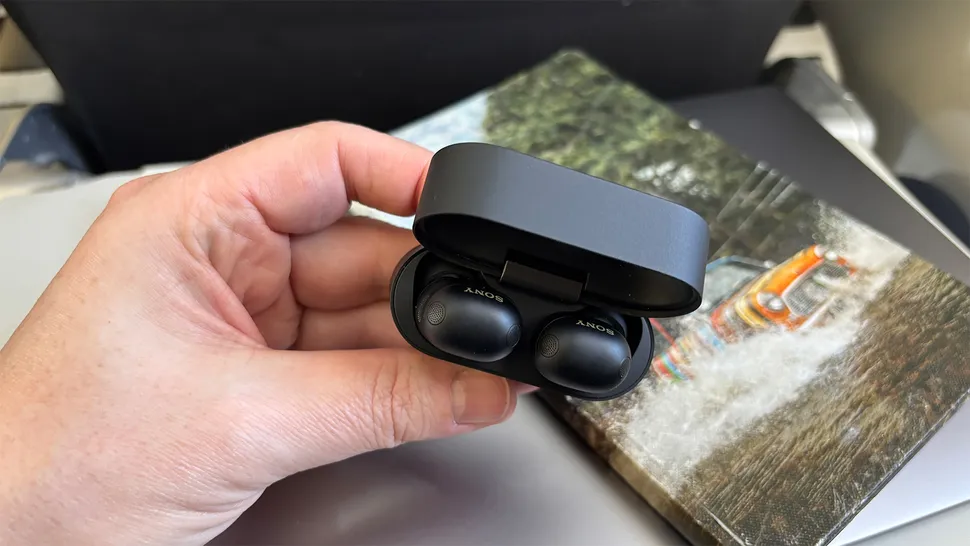
Sony changed the XM6 shape again. The earbuds are more rectangular than the XM5, partly to fit more mics and a new ventilation structure that reduces internal noise from chewing and footsteps. Sony also says the XM6 is 11 percent slimmer than the XM5, and it uses a grippier matte finish.
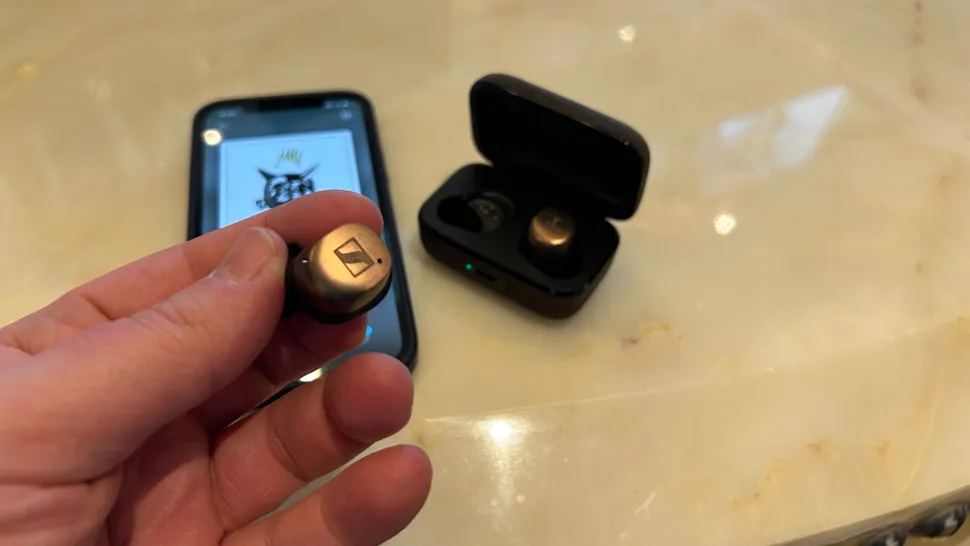
Still, the XM6 case is a sticking point. Multiple reviews call it bulkier, and What Hi-Fi? notes the eartip selection feels limited (XS to L, with no XL). That can be annoying if you’re between sizes.
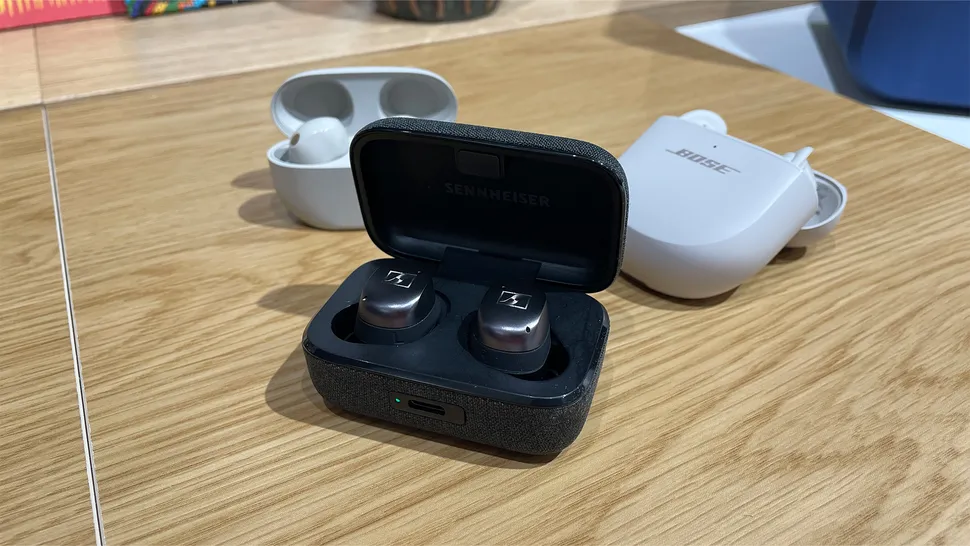
Sennheiser ships silicone tips plus fins for fit options. In long-term reviewer impressions, the Momentum True Wireless 4 feels comfortable for extended wear, and the case comes off as more solid and durable day to day.
If you want more general context on what tends to matter most in fit and comfort, this best true wireless earbuds 2025 guide is a helpful baseline.
Winner: Sennheiser Momentum True Wireless 4. More fit accessories and IP54 durability make it the safer comfort and build bet.
Fit and seal
Your seal is your foundation. A weak seal makes bass thin and makes ANC feel weaker on any earbud.
Sony tries to help with an air pressure fit test in its Sound Connect app. If it says your seal is good, you can judge the tuning and ANC more fairly. If it fails, swap tips before you blame the earbuds.
Sennheiser’s extra fins can help if you struggle to keep earbuds locked in, especially during walks or gym sessions. Either way, take five minutes to test sizes. It saves you hours of second-guessing later.
Winner: Tie. Sony helps you check seal, Sennheiser gives you more physical fit tools.
Sound Quality
Sony’s WF-1000XM6 is described as a step toward a more natural, warmer presentation than the XM5, without losing detail. You still get strong timing, clear dynamics, and bass that hits hard but stays controlled. Highs stay crisp and tidy, rather than sharp. That “everything fits together” feeling is the XM6’s big sound trick, it’s detailed, but it doesn’t feel clinical.
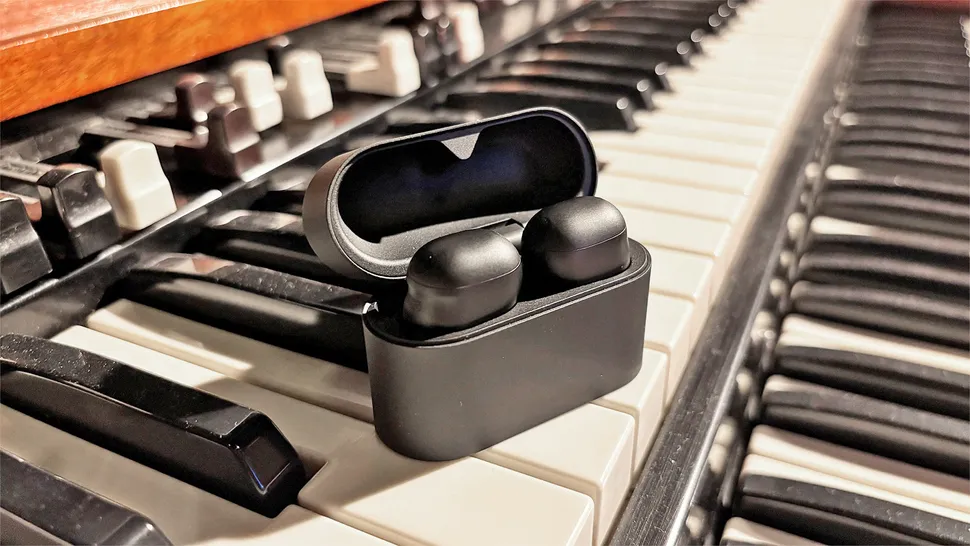
Sennheiser’s Momentum True Wireless 4 aims for musical weight plus refinement. Reviewer impressions highlight deep, impactful bass, a rich and emotional midrange, and treble that stays lively without turning harsh. The soundstage also gets a lot of praise, with a wide, layered feel that helps live recordings and orchestral tracks.
If you want another take on how the XM6 balances detail and musicality, SoundGuys’ WF-1000XM6 review lines up with the general theme: Sony’s latest pushes its performance forward, even if the price stings.
Genre match is pretty simple:
- Pop, hip-hop, EDM: both work, Sony tends to sound tighter in the low end, Sennheiser tends to sound bigger and more spacious.
- Rock and metal: Sony’s control helps busy mixes, Sennheiser’s midrange weight can make guitars feel fuller.
- Podcasts and YouTube: Sony’s vocal clarity plus ANC can keep speech easy to follow.
Winner: Tie. You’re choosing between two strong tunings, not a good one and a bad one.
If you like vocals and acoustic music, listen for this
Use tracks you know well and focus on a few cues. First, check vocal texture. Does the singer sound like a person, or a recording? Sony’s XM6 gets praise for believable vocals and strong integration across instruments.
Next, listen to guitar plucks and room reverb. Sennheiser’s Momentum True Wireless 4 often gets called out for emotional mids and clean detail, which can make acoustic recordings feel intimate.
Finally, watch cymbals. If they turn splashy, the treble is too hot for you. Both aim to avoid harshness, but your ears decide fast.
Winner: Tie. Both handle vocals well, you’re just picking the flavor you prefer.
ANC
Sony built the XM6 around ANC improvements. The QN3e processor, multiple mics per earbud, and Adaptive NC Optimiser work together to tune cancellation to your fit and environment. In published impressions, the XM6 performs strongly on subways and short flights, and it narrows the gap with Bose in the places that matter most, including midrange and higher-frequency noise.

Sennheiser’s Momentum True Wireless 4 uses adaptive ANC that automatically adjusts to your surroundings. In addition, the extra fins and good seal can boost perceived isolation, especially in offices where fit matters as much as raw ANC strength.
The key point is expectation. Sennheiser’s ANC can be very good, but Sony’s XM6 is designed to win this category.
Winner: Sony WF-1000XM6. If you want maximum quiet on travel days, Sony’s ANC approach is the safer pick.
Mic & Call Quality
Sony’s call stack is hard to ignore. AI beamforming, bone-conduction sensors, extra mics, and wind noise reduction design all aim at one thing: keeping your voice clear when the world gets loud. Reviews also point out strong background suppression, which matters if you take calls on city streets.
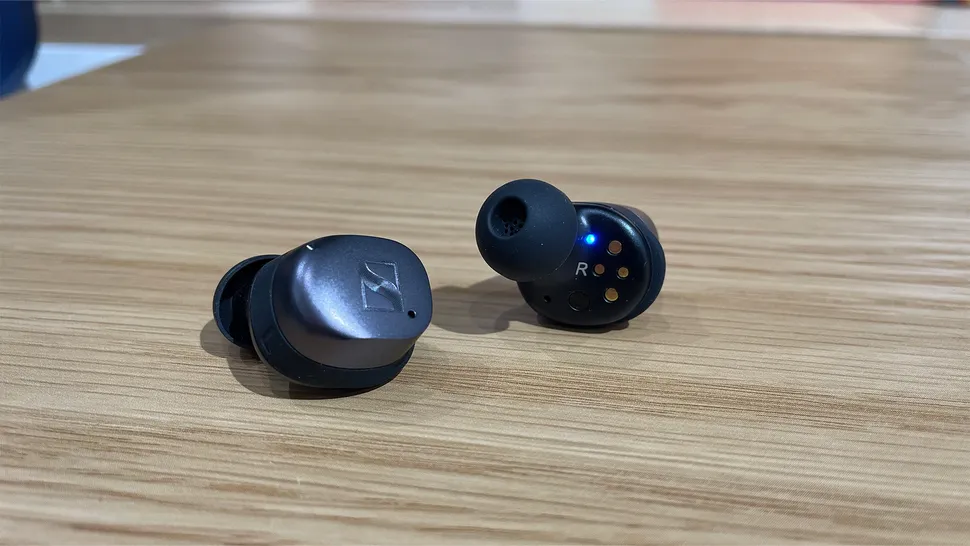
Sennheiser uses a beamforming mic setup too, and it can sound clear in normal indoor calls. Still, Sony’s recent focus on voice processing tends to show up more in tough conditions.
Run a quick test before you commit. Walk outside, record a voice memo, then replay it in a quiet room. Do the same in a busy coffee shop. You’ll hear the difference fast.
Winner: Sony WF-1000XM6. Better wind handling and voice isolation make it the easier call pick.
Features
Sony gives you a lot to tune. The Sound Connect app includes a 10-band EQ, a guided “Find Your Equaliser” tool, and DSEE Extreme processing for low-quality files. You also get Adaptive Sound Control, Quick Attention (hold to lower volume and hear the world), and adjustable ambient sound levels. Transparency sounds improved on the XM6, although some impressions note voices can still sound a bit processed.
Sennheiser’s Smart Control app focuses on personalization. You get guided sound setup, an adaptive EQ (with fewer bands than Sony), and features like Sound Zones. On the Momentum True Wireless 4, LE Audio and Auracast support is part of the broader feature plan through updates.
Transparency is personal, but it’s worth noting this: in one detailed user review, the Momentum True Wireless 4 transparency mode is described as unusually lifelike with very low lag. Treat that as experience, not a guarantee, because ears vary.
For another editorial perspective on Sony’s feature set and overall tuning, Gizmodo’s WF-1000XM6 review is a useful read.
Winner: Tie. Sony wins on depth of tuning tools, Sennheiser wins on codec-forward features and update path.
Connectivity & Controls
Bluetooth version matters less than most people think, but it can hint at future support. Sony runs Bluetooth 5.3, while Sennheiser is on 5.4 with LE Audio readiness.
Both support multipoint for two devices, so you can bounce between a laptop and phone without re-pairing. Sony also claims a larger antenna than the XM5, and it reports stable connections in crowded places like airports and stations.
Controls are touch-based on both. Sony’s touch controls are responsive and you can remap functions in the app. Reviewer impressions also call Sennheiser’s touch response fast and consistent, with quick switching between ANC and transparency.
Winner: Sennheiser Momentum True Wireless 4. Bluetooth 5.4 plus future-focused audio support gives it the edge if you keep earbuds for years.
Battery Life & Charging
Sony rates the WF-1000XM6 at 8 hours with ANC on, with 24 hours total including the case. That’s solid for a flagship pair, even if it’s not class-leading. Sony also supports Qi wireless charging and a quick top-up that can get you around an hour of listening with a short charge.
Sennheiser’s Momentum True Wireless 4 lands around 7 to 7.5 hours per charge depending on mode, and it stretches to up to 30 hours total with the case. It also supports Qi charging, plus a fast-charge claim of about an hour of playback from an 8-minute charge.
Long flight? Sony’s per-charge number is great. Long week of commuting? Sennheiser’s case endurance is the easier win.
Winner: Sennheiser Momentum True Wireless 4. Longer total battery matters more often than a small per-charge gap.
Price & Value
Sony’s WF-1000XM6 launched in the US at $329.99 and it’s still new enough that deep discounts are not common. You’re paying for Sony’s top-end ANC, strong call processing, and a tuning that reviewers call natural and highly musical.
Sennheiser’s Momentum True Wireless 4 is older (2024), so it more often shows up at a lower street price, commonly around $250 to $280 in February 2026. That price shift changes the value story. You’re getting premium sound, strong codec support for Android, IP54 durability, and longer total battery for less money.
If you want a broader comparison view that includes Sony against other top earbuds, PCMag’s WF-1000XM6 comparison coverage helps you sanity-check the pricing tier.
Winner: Sennheiser Momentum True Wireless 4. It’s usually cheaper while still checking the premium boxes that most people care about.
Who is it for?
You’ll make a better choice if you start with your routine, not a spec list.
- Sony fits your life if you commute in loud places, travel often, and take calls on the move.
- Sennheiser fits your life if you’re on Android, care about aptX Lossless support, and want longer total battery plus IP54 durability.
Choose Sony WF-1000XM6 if you want the simplest setup for travel and work calls
- You want top-tier ANC tuned by Sony’s QN3e processor and adaptive optimizer.
- You take calls in wind and traffic, and you want strong voice isolation.
- You like a natural tuning, plus lots of EQ and ambient control in the app.
Caveat: you’re accepting IPX4 and a bulkier case, and tip sizing may not fit everyone.
Choose Sennheiser Momentum True Wireless 4 if you want the best codec options on Android and longer total runtime
- You want aptX Lossless and aptX Adaptive on a Bluetooth 5.4 platform.
- You care about LE Audio and Auracast readiness for future use.
- You want up to 30 hours total battery and IP54 dust and water resistance.
Caveat: ANC rankings vary by ear shape and fit, so test seal before judging.
FAQs
Which earbuds sound more natural across most music genres?
Sony’s WF-1000XM6 leans warm and natural while keeping strong detail and punch. Sennheiser’s MTW4 sounds balanced with a rich midrange and wide staging, great for vocals.
Which has stronger noise cancelling for flights and trains?
WF-1000XM6 is the safer pick if you want near top-tier ANC, helped by Sony’s new QN3e noise-cancelling processor and multi-mic setup. MTW4 cancels well, just less intense.
Which transparency mode feels more lifelike for daily use?
MTW4 usually feels more like open ears, with very low perceived delay and an outdoors-friendly sound. Sony’s Ambient Sound is strong too, but can sound slightly processed.
Which is better for call quality in wind and busy streets?
WF-1000XM6 tends to win calls because it combines beamforming, bone-conduction sensors, extra mics, and wind-noise reduction. Your voice stays clearer when traffic and gusts hit.
Which one lasts longer per charge and overall battery?
WF-1000XM6 is rated at about 8 hours with ANC, 24 hours including the case. MTW4 commonly offers longer total playtime (often cited around 30 hours).
Which earbuds are smaller and easier to pocket?
Sony’s WF-1000XM6 case is reported as bulkier than before, so pocket carry is not its strong suit. MTW4’s case often feels more compact and sturdier.
Which offers better Bluetooth and future audio support?
MTW4 is ahead on paper with Bluetooth 5.4, plus LE Audio and Auracast support, and aptX Lossless compatibility. Sony runs Bluetooth 5.3 with LDAC support.
Final verdict
Sony WF-1000XM6 vs Sennheiser Momentum True Wireless 4 comes down to what you face every day. If you want the quietest commute and the cleanest calls, Sony’s XM6 is the more consistent pick, and it also sounds natural and detailed. If you’re on Android and want the widest codec support plus longer total battery and better durability, Sennheiser is the smarter buy at its current pricing.
Winner: Sony WF-1000XM6. Most people notice ANC and call quality more than codec differences, so Sony wins the most common use case.