

You’re shopping at the top end, so small differences matter fast. In Sony WF-1000XM6 vs Bose QuietComfort Ultra Earbuds, the Sony comes out ahead overall if you care most about sound balance and detail, while the Bose still rules for comfort-first listening and max ANC.
Sony goes for a more natural, connected presentation, plus strong dynamics and broad app tuning (including EQ and fit checks). Bose keeps its rich, punchy style and adds Immersive Audio, but that feature can be hit-or-miss and it cuts battery life hard.
Next, youll see a clear breakdown of specs, fit and build, sound (bass, mids, treble), ANC, mic quality, features like codecs and transparency, plus controls, battery, price, and who each pair suits best.
RELATED: Sony WF-1000XM6 vs Sony WF-1000XM5: Is it worth Upgrading?
Quick Summary
Sony WF-1000XM6 aims for a more natural, warm sound that still stays crisp and detailed. Reviews describe it as accurate without feeling cold, with strong timing and controlled bass. Bose QuietComfort Ultra Earbuds sound rich and full, often with a more bass-forward presentation, which can feel fun in loud places.
On noise cancelling, Sony has closed the gap a lot with its newer processor and mic setup, especially in mid and higher frequencies. Bose still holds its reputation for heavy-duty ANC, and it can have a small edge with deep, low rumbles.
Battery is simpler. Sony is rated at 8 hours with ANC on. Bose is rated at 6 hours, and Immersive Audio can cut that to about 4.
Codec support is a real divider too. Sony supports LDAC (plus SBC and AAC). Bose sticks to SBC and AAC based on the published spec list.
If you want another independent take on how close this race is in 2026, see ZDNETs comparison of flagship Sony vs Bose earbuds.
Winner: Sony WF-1000XM6, because you get the broader mix of sound detail, codec support, and battery life.
Specifications
Here are the specs that tend to matter most once you live with these daily.
| Spec | Sony WF-1000XM6 | Bose QuietComfort Ultra Earbuds |
|---|---|---|
| Type | True wireless earbuds | True wireless earbuds |
| Bluetooth version | 5.3 | 5.3 |
| Codec support | SBC, AAC, LDAC | SBC, AAC |
| Active noise cancelling | Yes | Yes |
| Water rating | IPX4 | IPX4 |
| Battery (earbuds) | 8 hours (BT + ANC) | 6 hours (ANC), about 4 hours with Immersive Audio |
| Total battery (with case) | 24 hours | About 24 hours (6 + 18 from case) |
| Wireless charging | Yes (case supports wireless charging) | No (optional charging cover sold separately) |
| Multipoint | Yes (two devices) | Yes (added via software update) |
| Weight | 6.2g each, 47g case | Not listed in the provided spec summary |
| Finishes | Black, platinum silver | Black, White Smoke |
A few spec takeaways you will feel immediately:
- Battery per charge matters more than total if you wear one pair all day. Sony has the edge there.
- Codec support only matters if you will use it, but LDAC can be a real plus for compatible Android phones.
- Wireless charging is a quality-of-life feature, especially if your nightstand is already MagSafe and Qi.
Winner: Sony WF-1000XM6, because you get longer rated playback per charge and LDAC, plus wireless charging out of the box.
Design, Comfort & Build Quality
You can love a sound signature and still hate the fit. With earbuds, comfort decides everything because seal affects bass, ANC strength, and even mic pickup.
Sony reshaped the WF-1000XM6 for a more ergonomic fit and claims the buds are 11 percent slimmer than the WF-1000XM5. However, the housing looks more squared off than before, partly to make room for an extra mic and a ventilation structure meant to reduce internal noise (like footsteps or chewing sounds). Sony also keeps the same tip sizes as before (XS, S, M, L), and reviewers wanted more options, including an extra-large size for harder-to-fit ears.
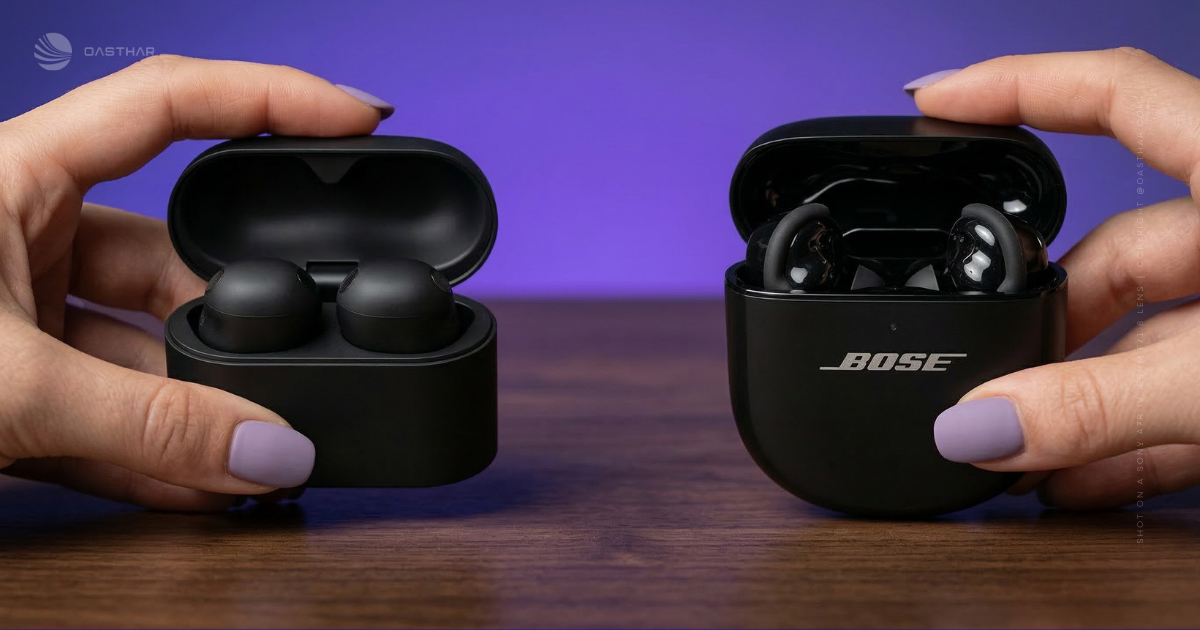
The Sony case is a mixed bag. It supports wireless charging, but impressions describe it as bulkier than before and not as premium-feeling as you might expect at this price.
Bose, on the other hand, stays true to its comfort-first approach. The Ultra Earbuds use very soft tips and stability bands, and the design tends to seal well without needing to push deep into your ear canal. Bose also tweaked how the stability bands attach, adding a notch to help line them up faster when you swap sizes. If you struggle with pressure spots during long listening sessions, this is where Bose often wins people over.
Both models are IPX4, so sweat and light rain should not scare you, but neither is built for soaking.
Winner: Bose QuietComfort Ultra Earbuds, because comfort and seal are more consistently strong across more ear shapes.
Sound Quality
This is the part that keeps you up at night, because both sound great, just in different ways.
Sony WF-1000XM6 shifts toward a more natural tone than the prior generation, while keeping the detail you expect from a flagship. Review impressions highlight a warm, believable presentation with expressive mids, crisp highs that stay controlled, and bass that hits with weight but stays defined. Sony uses an 8.4mm driver, and the XM6 version adds a “soft edge” surround that aims to improve bass performance without turning it into a blur. In plain terms, kick drums can sound big without smearing into the next note.
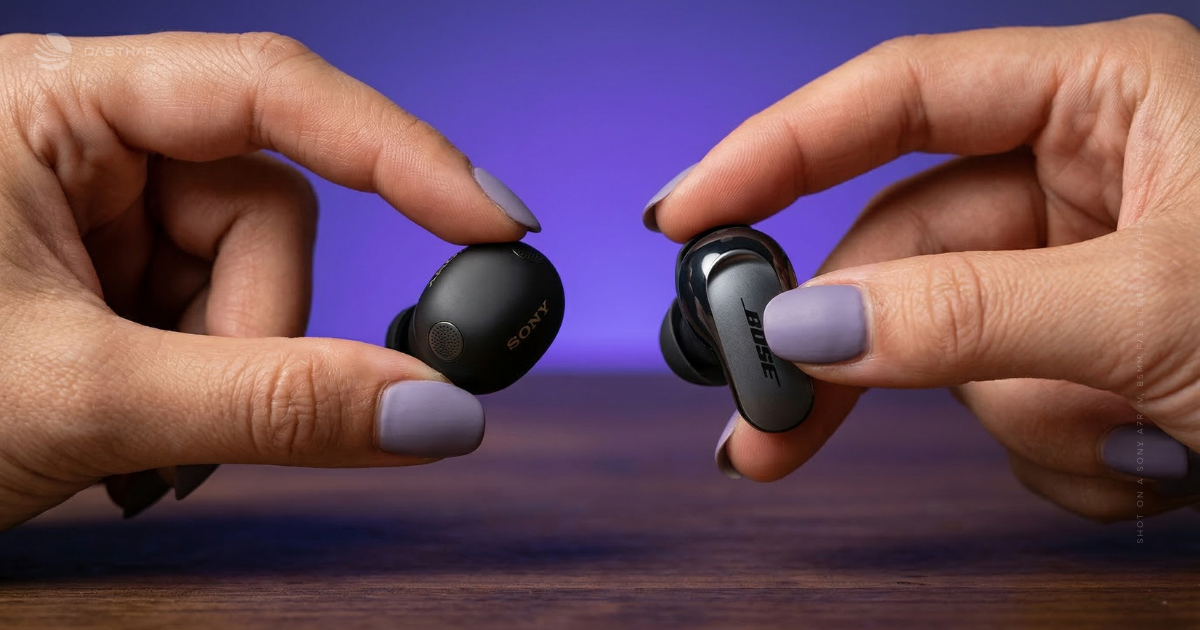
That control shows up most with busy tracks. When a mix stacks bass, vocals, and sharp percussion, Sony tends to separate the layers cleanly. You get that “everything has its place” feeling, but it still sounds musical rather than clinical.
Bose QuietComfort Ultra Earbuds bring a familiar richness and fullness. They are also described as punchier and clearer than before, which helps rock and pop feel lively. Still, side-by-side commentary says Bose can sound less transparent than Sony, and more bass-driven. If you love a thicker low end, that can feel like comfort food. If you want to hear every tiny texture in vocals and cymbals, Sony usually gives you more.
For another broader roundup (including how these compare to other flagships), Digital Trends has a useful guide on Sony vs Bose vs AirPods Pro.
Winner: Sony WF-1000XM6, because it delivers a more natural, detailed, and controlled sound across genres.
ANC
Noise cancelling is not one thing. Plane rumble is different from cafe chatter, and both are different from wind noise on a walk.
Sony WF-1000XM6 upgrades the brains of its ANC with a third-gen HD Noise Cancelling processor (QN3e). It also uses four mics per earbud and an Adaptive NC Optimiser that adjusts the algorithm based on fit and environment. In testing impressions, that adds up to a noticeable improvement, especially in midrange and higher-frequency noise. Think more reduction of screeches, whistles, and that sharp edge of train noise. Reviewers also described the ANC as very consistent on tube rides and short flights.
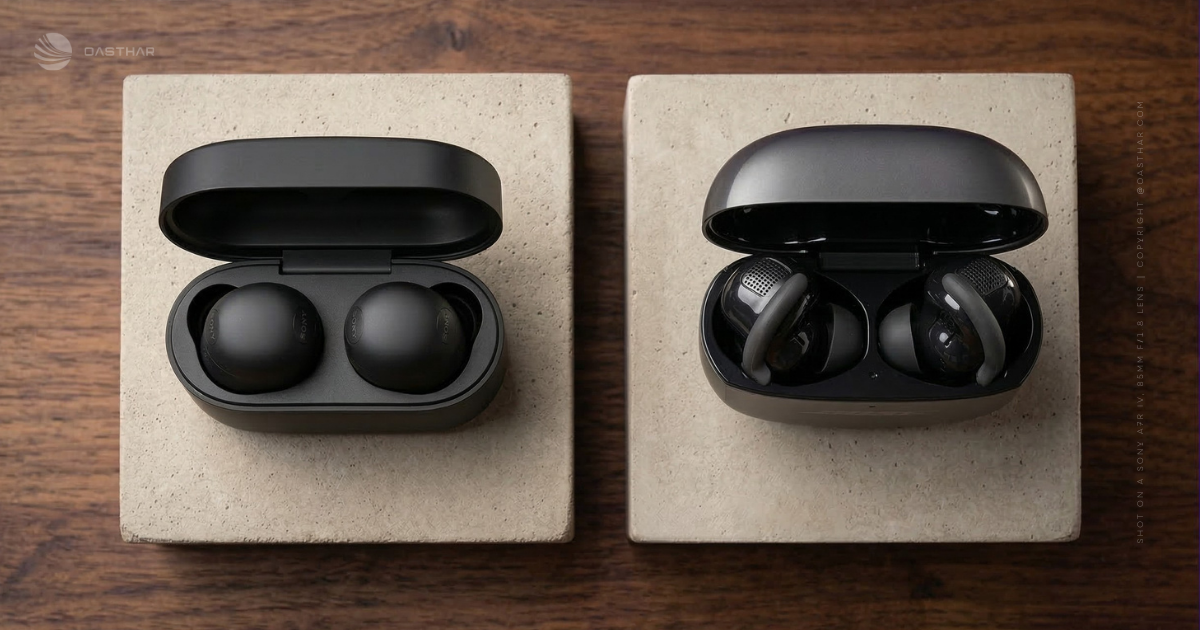
Sony is not perfect, though. One noted quirk is that some loud sounds can get emphasized, like a sharp clunk from train doors, instead of being softened.
Bose remains the brand people bring up when ANC is the whole point. The Ultra Earbuds use CustomTune calibration, playing a tone when you insert them, then adjusting to your ear and environment. That helps Bose handle ugly environments like building sites, loud pubs, and packed transit. Reports still suggest Bose can have a slight advantage with deep low-frequency rumbles, which is exactly what bothers frequent flyers most.
If you want another comparison angle, Trusted Reviews lays out differences in Sony WF-1000XM6 vs Bose QC Ultra.
Winner: Bose QuietComfort Ultra Earbuds, because low-frequency noise cancelling still feels a bit stronger overall.
Mic & Call Quality
Calls are where premium earbuds either earn their price, or annoy you daily.
Sony WF-1000XM6 stacks the deck with AI beamforming, bone conduction sensors, extra mics, and wind-noise reduction design. The result, based on listening tests described in reviews, is strong background suppression with voices that stay clear and detailed, even with tricky wind.
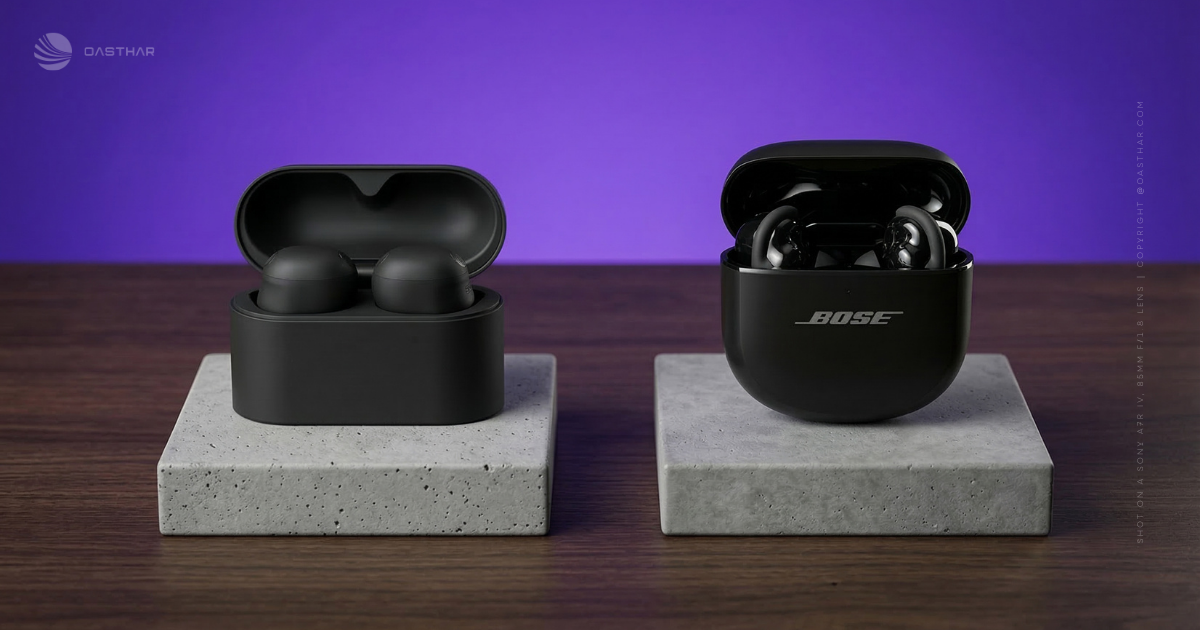
Bose also improves call quality compared to its predecessor. It can prioritize the mic on the bud experiencing less noise, then filter out extra sound. In practice, that helps your voice cut through in busy streets or crowded rooms.
If your day is mostly meetings, both can work. The difference is style. Sony aims for clarity and isolation. Bose often sounds natural while still reducing chaos.
Winner: Tie, because both deliver strong call clarity, and your environment will decide which approach you prefer.
Transparency, EQ & Spatial Audio
Features sound fun on a product page. What matters is whether you use them after week two.
Sony packs in customization through its Sound Connect app. You get a 10-band EQ and a guided “Find Your Equaliser” tool if you do not want to tweak sliders. Sony also includes DSEE Extreme processing to improve the sound of low-quality or heavily compressed audio, and it can help a bit with podcasts and older streams. You can remap touch controls, optimize for spatial audio, and adjust transparency intensity. Sony also has an air pressure fit test that helps confirm whether your tips are sealing properly, which is huge for both bass and ANC.
Sony transparency is strong, but voices can sound slightly processed, based on impressions. It is useful, but not perfectly natural.
Bose focuses on listening modes and Immersive Audio. There are Still and Motion modes, with Motion adding head tracking. When it works, it can push the sound outward so it feels less stuck inside your head. The problem is consistency. Reports mention that Motion mode can introduce delays and odd phase effects with some tracks, and head movements can cause abrupt shifts that distract you. Also, Immersive Audio drops battery life to about 4 hours.
If you want a wider perspective on features and tuning choices, Sound Advice has a comparison page for Sony vs Bose Ultra earbuds.
Winner: Sony WF-1000XM6, because the app tools and EQ options are deeper and more consistently useful day to day.
Connectivity & Controls
You notice connection quality most in crowded places. Airports, trains, and busy offices are brutal on Bluetooth.
Sony WF-1000XM6 runs Bluetooth 5.3 and supports multipoint for two devices. Sony also increased antenna size compared to the prior model and claims more stability. In described testing, connections held up in crowded airports and stations. Touch controls are responsive, and Sony includes a Quick Attention mode that lowers volume when you press and hold, which is handy for announcements.
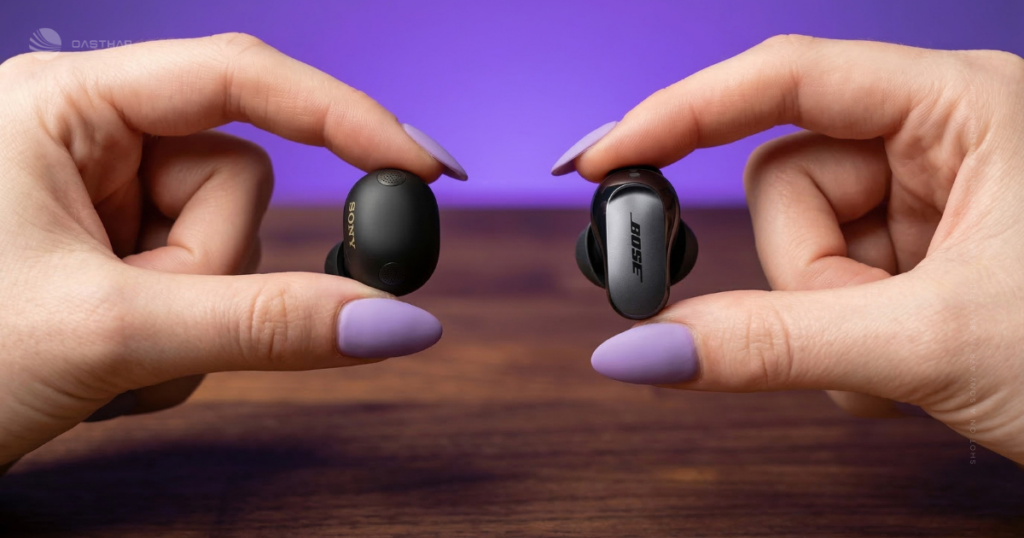
Bose QuietComfort Ultra Earbuds also run Bluetooth 5.3. Multipoint was not there at launch, but it arrived via a software update. Bose keeps familiar touch controls on the stems, including tap and swipe gestures for playback, modes, and volume.
Winner: Sony WF-1000XM6, because multipoint is baked in and real-world connection stability is highlighted as a strength.
Battery Life & Charging
Battery specs look small until you hit a long day of travel.
Sony WF-1000XM6 is rated for 8 hours with ANC on, with a total of 24 hours including the charging case. That is described as solid but not best-in-class. Still, it is enough to cover most commutes plus a few meetings, or a cross-country flight without panic charging. Wireless charging is included, which makes top-offs painless if you already use Qi pads.
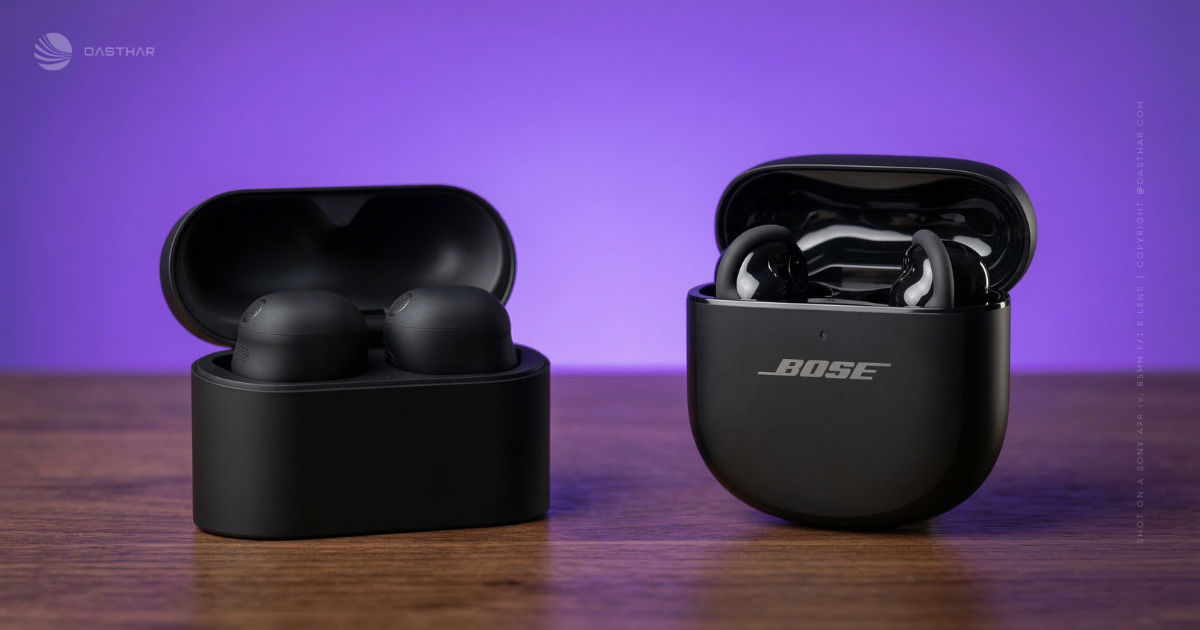
Bose QuietComfort Ultra Earbuds are rated at about 6 hours, and the case adds about 18 more for roughly 24 total. Turn on Immersive Audio and the earbuds can drop to about 4 hours. Bose does not include wireless charging, although an optional charging cover exists.
Winner: Sony WF-1000XM6, because you get longer rated playtime per charge and wireless charging included.
Price & Value
You are paying premium money either way, so value comes down to what you care about most.
Sony WF-1000XM6 launched at $330 in the US. That is firmly flagship territory. Because it is newly launched (with early reviews landing in February 2026), expectations are that big discounts will be rare at first, outside major sale events.
Bose QuietComfort Ultra Earbuds were originally tested at $299, and discounts have been seen as low as $229 during major sales periods. That price behavior matters. If you buy at a discount, Bose can look like the smarter deal, especially if comfort and deep ANC are your top needs.
Sony still earns its price if you value sound detail, LDAC support, and customization. Bose earns its price if you want comfort you can wear for hours and ANC that stays intense in ugly environments.
If you want to zoom out before you buy, Oasthar also has a roundup of the best true wireless earbuds 2025 to help you sanity-check your shortlist.
Winner: Bose QuietComfort Ultra Earbuds, because discounts can make it the better value for many buyers without giving up flagship ANC.
Who Is It For?
Choose Sony WF-1000XM6 if:
- You want natural, detailed sound with tight control across bass, mids, and highs.
- You care about LDAC support for compatible phones and hi-res listening.
- You want strong ANC that is now very close to the top tier, plus deeper app control.
- You prefer 8 hours rated battery with ANC and wireless charging included.
Choose Bose QuietComfort Ultra Earbuds if:
- Comfort is your make-or-break factor, and you want a soft seal that does not feel intrusive.
- Your top priority is maximum ANC, especially for deep engine rumble and loud transit.
- You are curious about Immersive Audio, and you can accept mixed results and less battery.
- You plan to buy on sale and want strong flagship performance for less money.
FAQs
Which earbuds sound better for music, Sony or Bose?
If you want a more natural, detailed, and balanced sound, pick the WF-1000XM6. Bose sounds richer and bassier, but it can feel less refined.
Which has better noise cancelling for flights and commuting?
Bose still has a small edge with deep, low rumble (think plane engines). Sony has closed the gap hard, and tests show it can block more noise overall.
Which earbuds are better for phone calls in noisy places?
Bose tends to keep your voice sounding clearer and more natural in heavy noise. Sony is strong too, using beamforming and bone sensors, but can slip at max ANC.
Do Sony WF-1000XM6 support LDAC and hi-res Bluetooth audio?
Yes. WF-1000XM6 support SBC, AAC, and LDAC over Bluetooth 5.3, so Android listeners can push higher-quality wireless audio than Bose offers.
Which gives you more EQ control and sound customization?
Sony, by a lot. WF-1000XM6 include a 10-band EQ and guided tuning, while Bose keeps it simple with a basic EQ and fewer ways to shape the sound.
Which is more comfortable for long listening sessions?
Bose usually wins on comfort, thanks to very soft tips and stability bands that hold a seal without digging in. Sony fit is good, but tip options feel limited.
Final Verdict
If your top priority is sound quality, Sony makes the case hard to ignore. The WF-1000XM6 combines natural tuning with high detail, and it backs that up with LDAC, strong ANC, and deep customization. Bose still feels like the comfort king, and its ANC remains a benchmark for low rumble, but Immersive Audio is not a clean win and it costs battery.
Pick Sony for the best all-around balance and the better spec sheet. Pick Bose if comfort and deep hush matter more than codec support.
Winner: Sony WF-1000XM6, because it delivers the strongest total package, especially for sound and daily features.