

Are you thinking about buying the RedMagic 11 Air, but you don’t want the usual “gaming phone hype”? You’re not alone, because this phone makes a pretty direct promise: spend midrange money, get near-flagship speed, and accept a few very specific compromises.
In this review, you’ll get the practical version: real gaming performance, screen quality, heat control, battery life, cameras, software, and who this phone actually fits.
Up front, set expectations. This is a gaming-first phone, and the camera system reflects that.
RELATED: Galaxy Z TriFold Review (2026): Best 10-Inch Phone + Tablet?
Quick Review
The RedMagic 11 Air is easy to understand once you hold it. You’re buying a huge, smooth 6.85-inch OLED with a true full-screen look, a Snapdragon 8 Elite chip that still feels fast in 2026, and a monster 7,000 mAh battery that keeps you playing for hours. You also get gaming extras that matter, like capacitive shoulder triggers and active cooling with a built-in fan.
The tradeoffs feel just as clear. The cameras are “good enough” in bright light, and clearly weaker elsewhere. There’s no wireless charging, so your bedside pad won’t help. Software polish is hit-or-miss compared to Pixels and Galaxies, and update promises can vary by region, so you need to check before you buy.
- Pros: Huge 144Hz OLED, strong Snapdragon 8 Elite speed, active cooling, 7,000 mAh battery, 80W wired charging, shoulder triggers.
- Cons: Camera limits (especially ultrawide and selfies), no wireless charging, software feel and update policy vary.
Specifications
Here are the decision specs that matter most day to day.
| Spec | RedMagic 11 Air |
|---|---|
| Display | 6.85-inch OLED |
| Resolution | 2688 x 1216 |
| Refresh rate | 144Hz |
| Peak brightness | About 1,800 nits |
| Chipset | Snapdragon 8 Elite (3 nm) |
| RAM + storage | 12GB/256GB or 16GB/512GB |
| Storage type | UFS 4.1 |
| Battery | 7,000 mAh |
| Charging | 80W wired, no wireless charging |
| Durability | IP54 |
| Rear cameras | 50MP main (OIS) + 8MP ultrawide |
| Front camera | 16MP under-display selfie |
| Video | Up to 8K 30fps |
| Size and weight | About 8mm thick, 207g |
| Software | Android 16 with RedMagicOS 11 |
If you want a second view of how these specs translate in testing, see PhoneArena’s RedMagic 11 Air review.
Design & Build Quality
For a gaming phone, the 11 Air tries to behave like a normal phone. It’s thinner than many gaming-focused bricks at about 8mm, and it’s lighter than you might expect at 207g. That helps, especially if you’re coming from older “chunky” gaming phones that feel like small power tools.
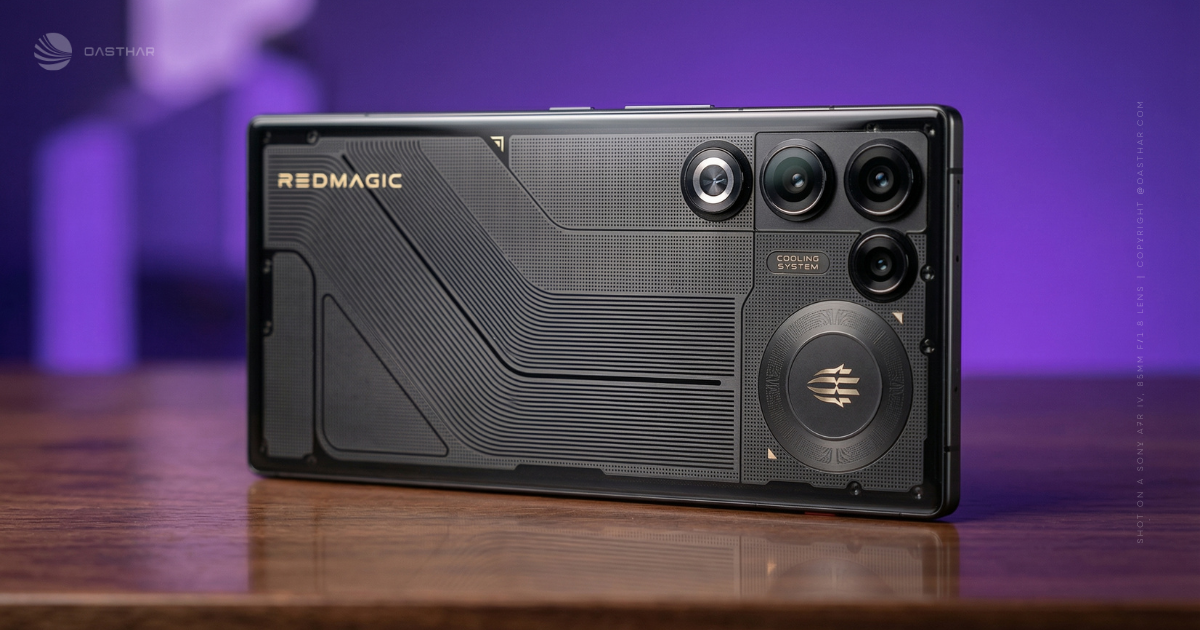
Still, you’ll notice the shape right away. The frame and display are flat, the corners are fairly boxy, and the 6.85-inch footprint makes one-handed use awkward. It’s the kind of phone you grip with two hands by default, which is fine if you mostly game on it.
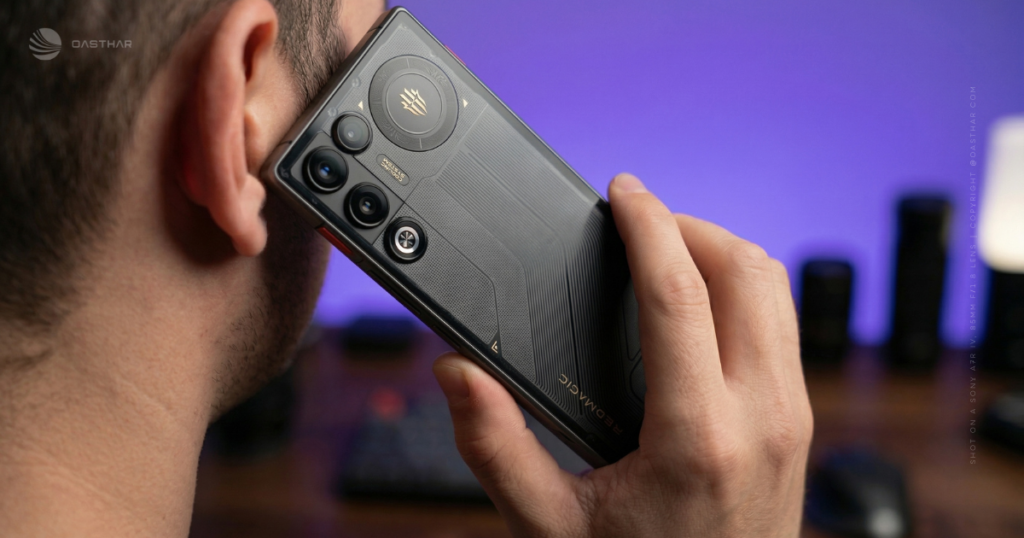
Around back, you get RedMagic’s transparent-style look rather than a plain slab. It’s eye-catching without being a full neon sign. The camera modules stick out, so it won’t lie perfectly flat on a table. Also, expect fingerprints, especially on the darker finish.
Durability is practical, not “take it scuba diving.” You get a metal frame, Gorilla Glass 7i on the front, Gorilla Glass 5 on the back, and an IP54 rating. In real life, IP54 means you can handle rain, splashes, and dusty pockets. It doesn’t mean submersion, and the cooling vent should make you extra cautious near sinks and pools.
For a deeper take on value and design positioning, this overview from Android Headlines’ review adds useful context.
Display Quality
The screen is the main event. You’re looking at a 6.85-inch OLED with a sharp 2688 x 1216 resolution, and it runs up to 144Hz. In motion, that extra smoothness shows up everywhere: scrolling, quick camera pans, and fast aim tracking in shooters.
Touch response is tuned for speed too. The panel supports up to 960Hz touch sampling (where supported), which helps taps and swipes feel instant. Pair that with the shoulder triggers, and your inputs start to feel less “phone-like” and more like a dedicated device.
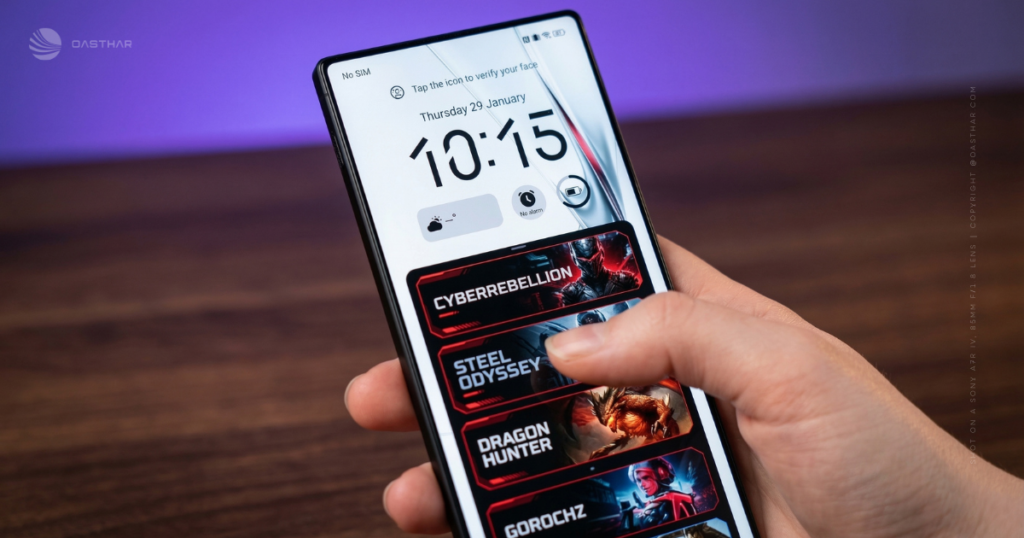
The under-display selfie camera is the other big win. There’s no hole punch cutting into your view. That sounds cosmetic until you play games with busy HUDs, or you watch a movie and realize nothing interrupts the frame. The tradeoff hits selfies, because the camera shoots through the display layer, so face detail looks softer.
Brightness is strong for the price, with peak readings around the 1,800-nit mark in testing. Even so, harsh sunlight can still challenge it more than top-tier flagships. Outdoors, you may bump brightness higher than you’d like, which also pushes battery drain.
Performance
In everyday use, the RedMagic 11 Air feels quick because it stacks a high-refresh screen on top of a powerful chip. Apps open fast, switching tasks stays smooth, and the phone doesn’t feel like it’s “thinking” between taps.
The heart of it is the Snapdragon 8 Elite. It’s not the newer Gen 5 version used in pricier models, but it’s still one of the fastest mobile chips you can buy. For most players, that difference matters less than you’d assume. Frame pacing and heat control are the real story.
Here’s a short benchmark snapshot you’ll see referenced across reviews:
- Geekbench 6: 3,075 single-core, 9,876 multi-core
- 3DMark Wild Life Extreme Unlimited: 6,807 (about 40.76 FPS average)
RAM and storage options are also gamer-friendly: 12GB/256GB or 16GB/512GB, using UFS 4.1 storage. The only caution is simple. Modern games are huge. If you rotate several big titles, plus recordings, 256GB can fill faster than you expect.
Sustained performance is where things get honest. The slimmer body can throttle under long, heavy loads, and some testing shows bigger dips after extended stress. However, active cooling helps you keep performance steady enough for real play, not just short benchmark bursts. Think “stable high FPS for long sessions,” not “max numbers forever.”
If you want another quick perspective on how it stacks up as a dedicated gaming option, Pocket Tactics’ RedMagic 11 Air review is a solid companion read.
Battery Life & Charging
A 7,000 mAh battery changes how you use the phone. You stop worrying about topping up between classes, commutes, or matches. Even with aggressive settings, you’ve got room to play.
In PhoneArena’s test results, the RedMagic 11 Air landed around an 8-hour general-use estimate, with about 19 hours of browsing, about 11.5 hours of video, and about 11 hours of gaming. Your results will vary, because brightness, refresh rate settings, and the game itself matter a lot. Still, that’s the right shape of the story: it lasts.
Charging is wired-only, and it’s fast. With 80W wired charging, the phone can fill from empty to full in a bit over an hour in testing. It also helps that, in many regions, the charging brick comes in the box.
Wireless charging is the missing convenience feature. If you’re used to dropping your phone on a pad, you’ll feel that absence.
One gamer-focused upside is bypass charging (often called charge separation). When you play while plugged in, bypass mode can power the phone directly instead of constantly cycling the battery. Less battery heat usually means steadier performance, and it can reduce long-term wear if you do marathon sessions.
If you play plugged in for hours, bypass charging can matter as much as raw wattage, because heat is the enemy of both FPS and battery health.
Software & Ecosystem
You’re getting Android 16 with RedMagicOS 11 on top. The core Android experience is familiar, but the skin changes the look and layout enough that you’ll notice it. Some parts feel clean, while other bits feel less refined than what you’d get from Google or Samsung.
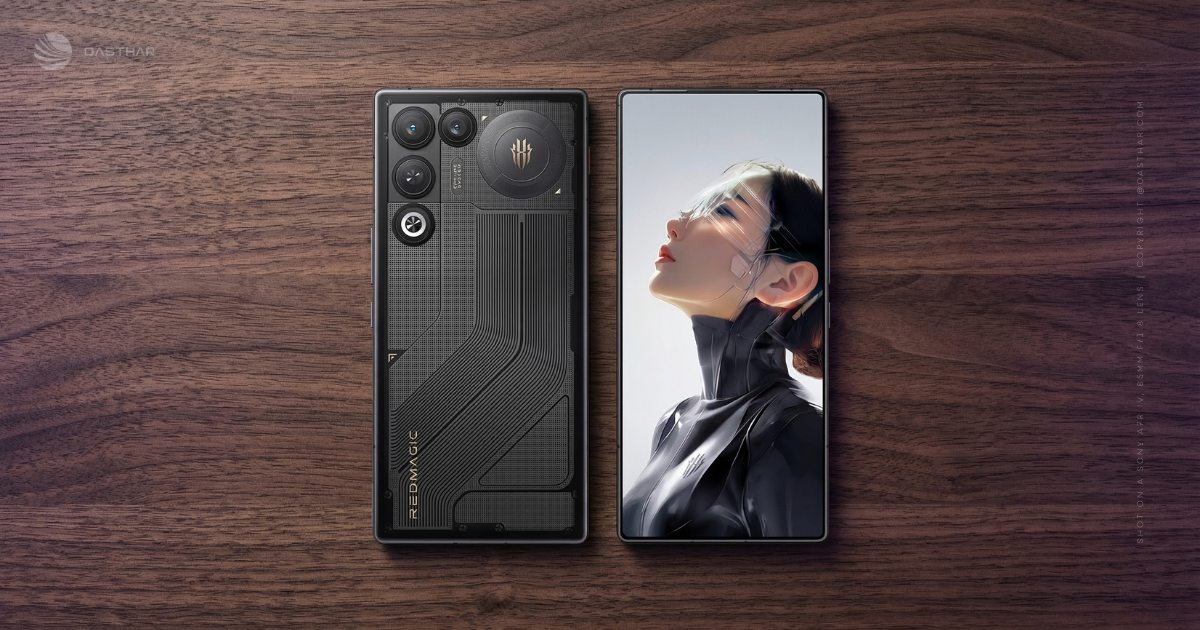
The best part is Game Space. It works like a dedicated hub for your games, with per-title performance profiles, fan controls, do-not-disturb, screen recording, and trigger mapping. That’s the stuff you actually use mid-match.
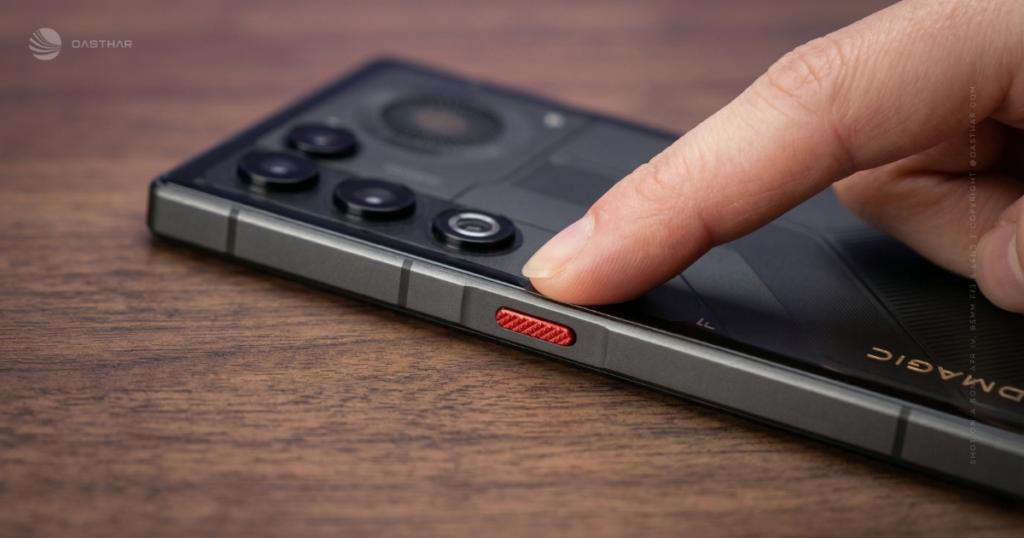
The Magic Key replaces the old slider. By default, it opens Game Space, and you can customize it for other shortcuts. One quirk: some actions require a long press, which can feel slower than a simple flick switch.
There are also basic AI features (often branded as AI+). Keep expectations grounded. You’re getting practical system extras, not magic photo fixes or perfect voice tools.
Update policy is the one area you should verify before ordering. Some regions cite three major Android updates, the EU gets longer security support due to rules, and other reports mention fewer guaranteed OS upgrades. Before you commit, check what applies to your model and region.
For another local perspective and a quick spec roundup, you can also read the related coverage on Oasthar: RedMagic 11 Air review.
Connectivity
The basics are what you’d expect for a modern gaming phone. You get 5G support, dual SIM, and USB-C for charging and wired accessories. For many players, that’s the important part, because it keeps your setup flexible when you travel or tether.
Bluetooth audio works well for gaming headsets and earbuds. You can keep your hands free, keep the screen unobstructed, and avoid cable snags during fast movement. Just remember that Bluetooth adds a small layer of latency, so competitive players may prefer USB-C audio when possible.
One more practical note: there’s no 3.5mm headphone jack, so plan around wireless or an adapter if you still use wired headsets.
Cameras, Mic & Speakers
You shouldn’t buy the RedMagic 11 Air for photography. You buy it because you’d rather have frames than focal lengths.
The 50MP main camera (with OIS) can take pleasing shots in good light. Colors tend to look natural, and detail is fine for social posts. Once lighting gets tricky, the limits show faster than on camera-first phones. Dynamic range isn’t class-leading, and night shots can look softer.
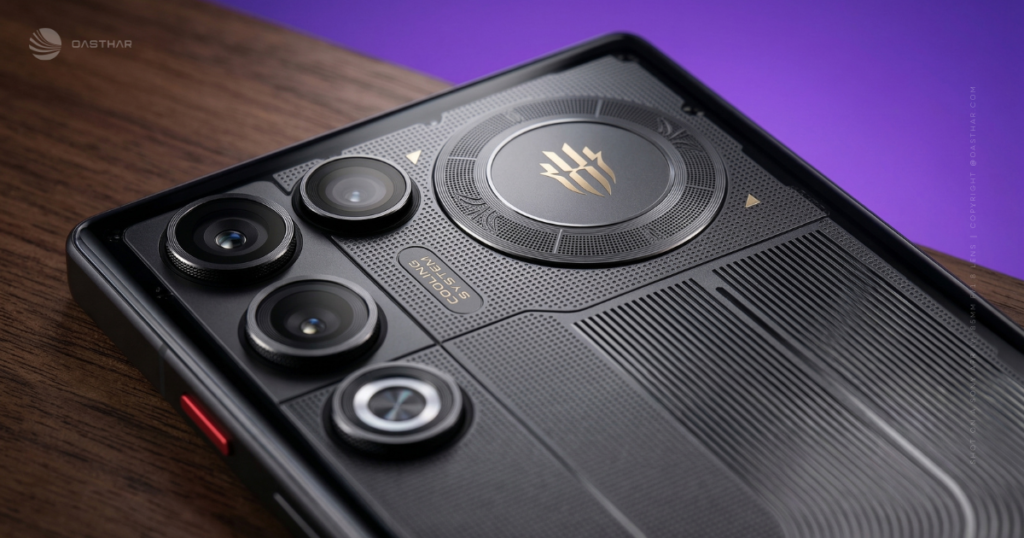
The 8MP ultrawide is the clear weak link. It’s handy when you need a wider view, but detail drops quickly, and low-light results can look smeared.
There’s no telephoto camera, so zoom is digital. Past about 2x to 3x, images can look over-processed and rough.
Selfies come from a 16MP under-display camera. The upside is a full-screen front. The downside is image quality, because the sensor shoots through the display layer. Selfies and front video often look soft, even in good light.
Video tops out at 8K 30fps, but 4K at 30 or 60fps is usually the smarter pick. Stabilization tends to look better, and footage looks cleaner.
On audio, the stereo speakers can get loud, which is great for casual play without headphones. Bass is lighter than thicker phones, and max volume can sound a bit harsh. Keep it under about 80 percent, and it usually sounds cleaner. Mic quality is fine for calls and in-game chat, as long as you’re not in a windy spot.
Extra Features
Two features separate this phone from a regular midrange Android: shoulder triggers and active cooling.
The capacitive shoulder triggers matter most in shooters. Once you map them, you can aim and fire without stretching your thumbs across the display. It’s like adding two extra fingers to your grip, and it can feel like an instant skill bump.
Cooling is also real hardware here. You get an internal fan, a vapor chamber, and thermal layers (including graphene) designed to move heat away from the chip. That doesn’t mean the phone never warms up. It means performance stays steadier, and recovery is faster after a long match.
Biometrics are solid, not fancy. The under-display fingerprint reader is optical, and it works well in daily use. Face unlock is available too, but tricky lighting can throw it off more often than a flagship’s front camera system.
Price & Value
Pricing is a huge part of the RedMagic 11 Air story. The base model is widely listed at $499 for 12GB/256GB. The higher spec version sits around $599 globally, with some US pricing reported higher, around $629, depending on configuration and channel.
That value is easy to explain. At this price, many phones force you into weaker chips and smaller batteries. Here, you get flagship-grade speed, a massive battery, active cooling, and shoulder triggers.
Where value drops is also straightforward: camera compromises, no wireless charging, and software that won’t feel as smooth as the best mainstream skins. If those things matter more than gaming, you’ll feel the trade.
For most gamers, the storage choice is simple. If you play one or two big games, 256GB can work. If you rotate several titles and record clips, 512GB is the safer buy.
If you want a brand-adjacent overview of how the company frames the phone, Nubia’s store blog has a readable summary at NubiaMart’s RedMagic 11 Air review page.
Who is it for?
- Buy it if you want near-flagship Android gaming performance for midrange money.
- Buy it if you care about a huge, smooth OLED with no hole punch.
- Buy it if long battery life and fast wired charging matter more than wireless convenience.
- Buy it if shoulder triggers and active cooling sound like features you’ll use weekly.
- Don’t buy it if camera quality is a top priority, especially for selfies and ultrawide shots.
- Don’t buy it if you rely on wireless charging every day.
- Don’t buy it if you want the cleanest software experience and the clearest update promise.
- Don’t buy it if you hate bold gaming design cues and visible vents.
FAQs
Is the RedMagic 11 Air really a 144Hz gaming phone?
Yes, you get a 6.85-inch AMOLED panel with a 144Hz refresh rate, plus a clean, full-screen look thanks to the under-display selfie camera.
How fast is Snapdragon 8 Elite for demanding games?
It’s extremely quick for the money, and it stays smooth in daily use. Benchmarks show flagship-level CPU and GPU scores, even if the Pro is faster.
Does the slim body cause overheating or heavy throttling?
Long sessions can warm the back, and some stress tests show noticeable throttling. Still, the built-in fan and vapor chamber help you keep playable frame rates.
What battery life can you expect from the 7,000mAh cell?
You’re working with a huge 7,000mAh battery, and battery tests land around 8 hours mixed use, plus roughly 11 hours for gaming in controlled runs.
How fast does it charge, and is the charger included?
You get fast wired charging (80W on many global units), and the power brick is typically in the box. A full charge can take a bit over an hour.
Does the RedMagic 11 Air have wireless charging?
No, and that’s one of the clear tradeoffs. If you’re used to dropping your phone on a charging pad, you’ll need to switch back to cables.
Is the camera good enough for everyday photos and video?
The 50MP main camera can look solid in good light, but the 8MP ultrawide is a weak point. The under-display selfie camera also looks soft.
What storage and RAM options should you choose?
The base model commonly starts at 12GB RAM with 256GB storage, and a higher tier offers 16GB and 512GB. If you hoard games, go bigger.
How does it compare to the RedMagic 11 Pro?
You’re mainly giving up the newer Elite Gen 5 chip, a bigger battery, and extras like wireless charging. In return, you pay less and carry less weight.
Final Verdict
If gaming is your main phone use, the RedMagic 11 Air makes a strong case in 2026. You get a massive 144Hz OLED, a Snapdragon 8 Elite chip that still feels fast, and a battery that can handle long sessions without drama. Fast 80W wired charging helps too, especially when you’re bouncing between matches.
The compromises are real: cameras are secondary, wireless charging is missing, and software polish plus update policy depend on region. If you can live with those, this is one of the clearest “performance per dollar” phones you can buy.