

Can the OPPO Find N6 finally work as your daily phone, not just a flashy foldable demo? If that’s your big question, the short answer is yes, mostly, and that “mostly” matters.
You get a foldable with a much flatter inner screen, strong battery life, fast charging, solid cameras, and software that makes the large display feel useful instead of wasteful.
The real test is where foldables usually crack: the crease, battery drain, camera compromise, and day-to-day comfort. That’s where this review lives.
RELATED: Samsung Galaxy S25 FE Review (2026): Near-Flagship Worth Buying

Quick Summary
The Find N6 is one of the best book-style foldables you can buy in 2026. Closed, it feels close to a normal flagship phone. Open, it feels like a small tablet that isn’t constantly reminding you it bends in half.
The biggest wins are easy to spot. The crease is much less distracting than on older foldables. The 6,000mAh battery lowers the usual battery anxiety. The cameras are stronger than most foldables, and ColorOS 16 gives the big screen real purpose.
The biggest tradeoff is also easy to spot. If you live in the US, the phone isn’t officially sold there, so importing brings extra cost, weaker warranty support, and possible carrier quirks.
Specifications
Here are the key specs that matter most in daily use.
| Spec | OPPO Find N6 |
|---|---|
| Cover display | 6.62-inch OLED LTPO, 1-120Hz |
| Inner display | 8.12-inch OLED LTPO, 1-120Hz |
| Chipset | Snapdragon 8 Elite Gen 5, custom 7-core |
| RAM and storage | 16GB RAM, 512GB storage |
| Rear cameras | 200MP main, 50MP ultrawide, 50MP 3x telephoto |
| Front cameras | Dual 20MP selfie cameras |
| Battery | 6,000mAh |
| Charging | 80W wired, 50W wireless, up to 55W USB-C PD |
| Size and weight | 8.93mm folded, 4.21mm open, 225g |
| Durability | IP56, IP58, IP59 |
| Software | ColorOS 16, based on Android 16 |
That spec sheet tells the story fast: this is thin hardware with a big battery and much better cameras than you usually get on a foldable.
Design & Build Quality
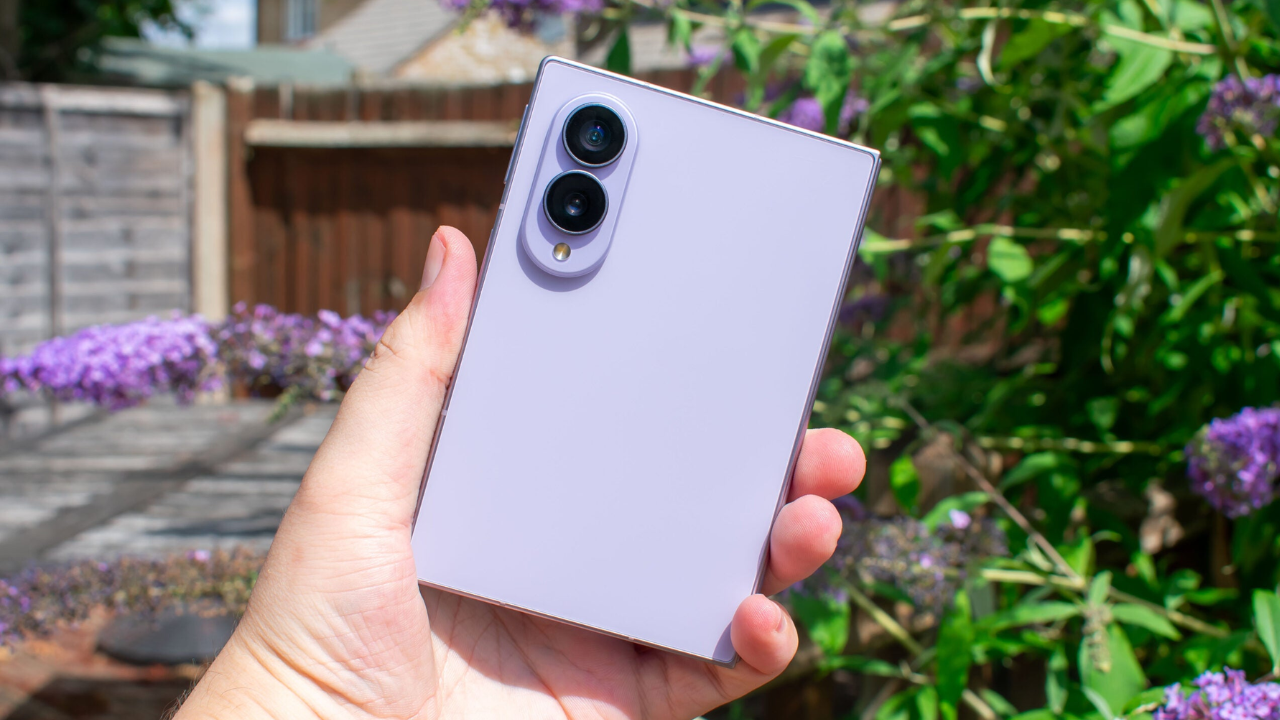
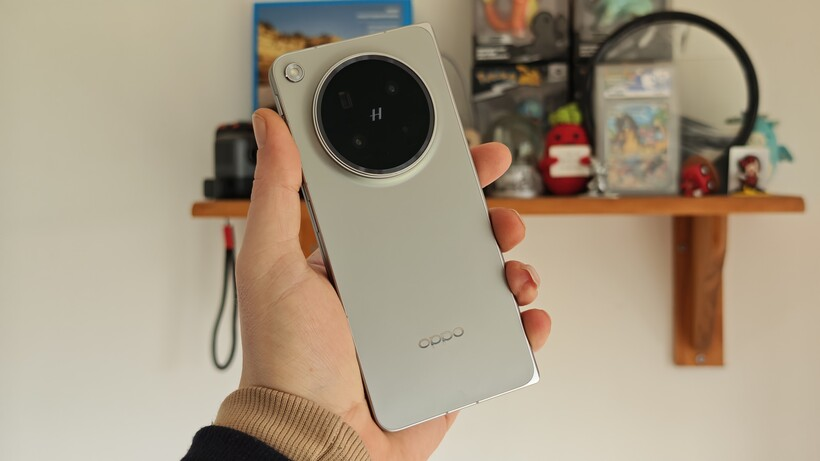
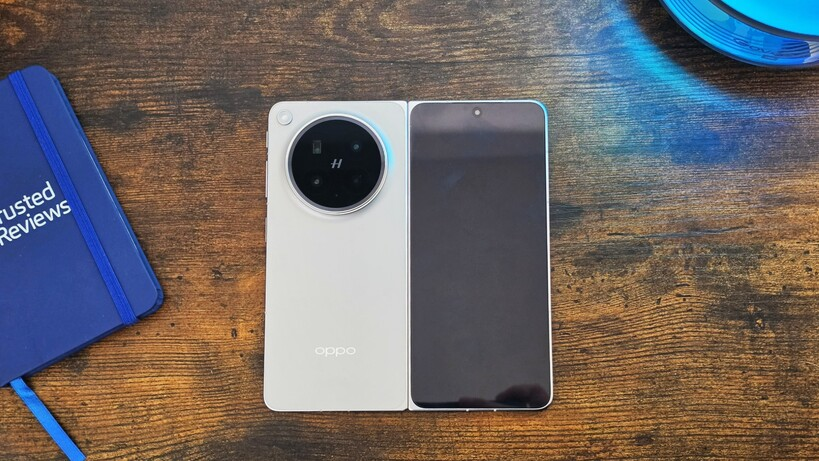
The Find N6 is one of those phones that sounds bulky on paper, then feels lighter and slimmer than expected in your hand. At 225g and 8.93mm folded, it no longer feels like you’re carrying a small paperback in your pocket.
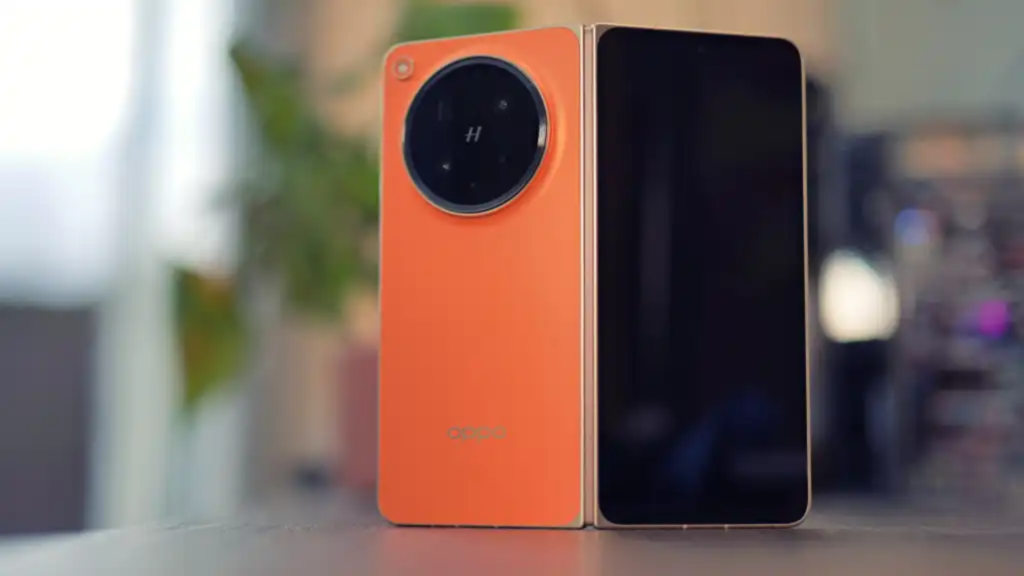
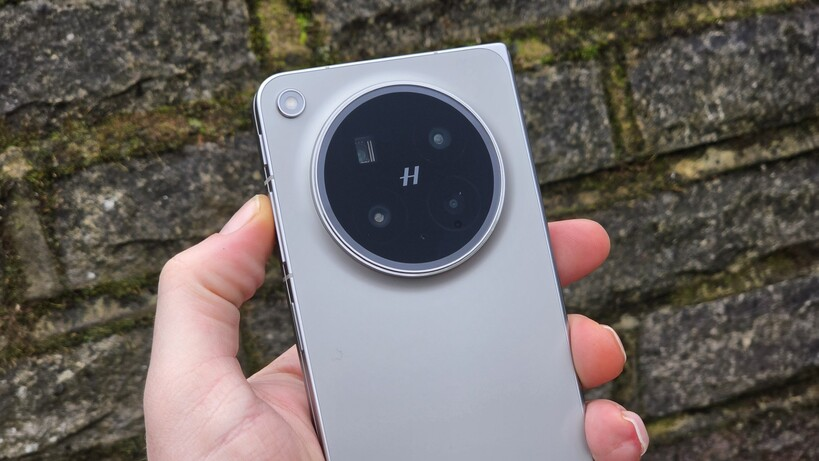
Oppo kept the design tight. You get a second-generation titanium hinge, a reinforced 7000-series aluminum frame, an aircraft-grade fiber rear panel, and nanocrystal cover glass. Foldables still ask you to accept a large camera bump, though, and this one still wobbles on a desk.
How the hinge and crease affect real use
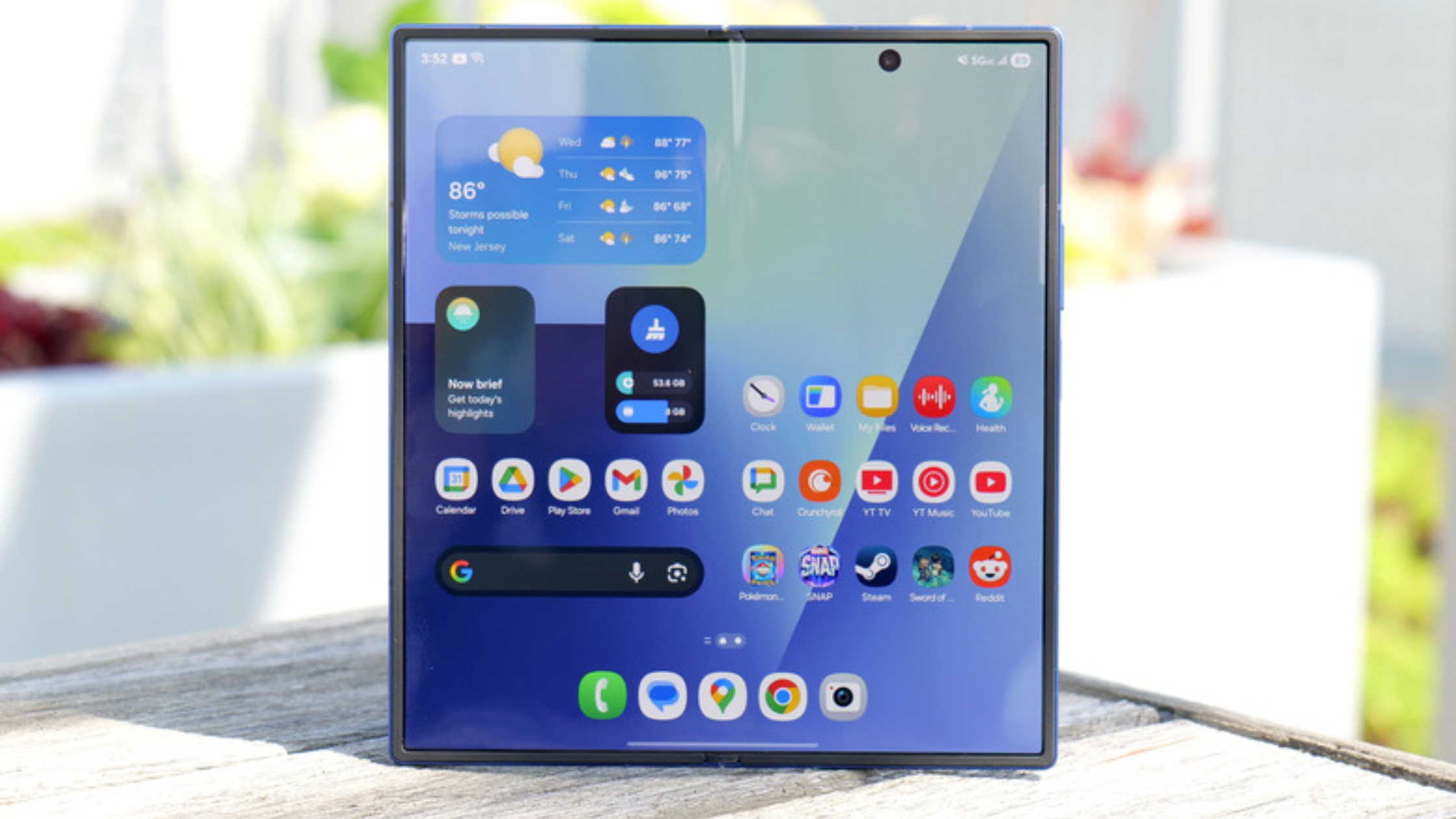
This is the headline feature, and it mostly earns the attention. The inner screen is flatter than what you’re used to seeing on foldables, so scrolling, reading, and watching video feel calmer. Your finger no longer drops into a clear trench.
You can still see the crease with the screen off or when light hits it at the wrong angle. You can still feel it, too, especially with a stylus. But it is far less distracting than before, which lines up with this crease-focused hands-on review.
Pocket feel, weight, and everyday comfort
In daily carry, the rounded edges help more than you’d think. The phone feels friendlier in the palm than sharper-edged rivals.
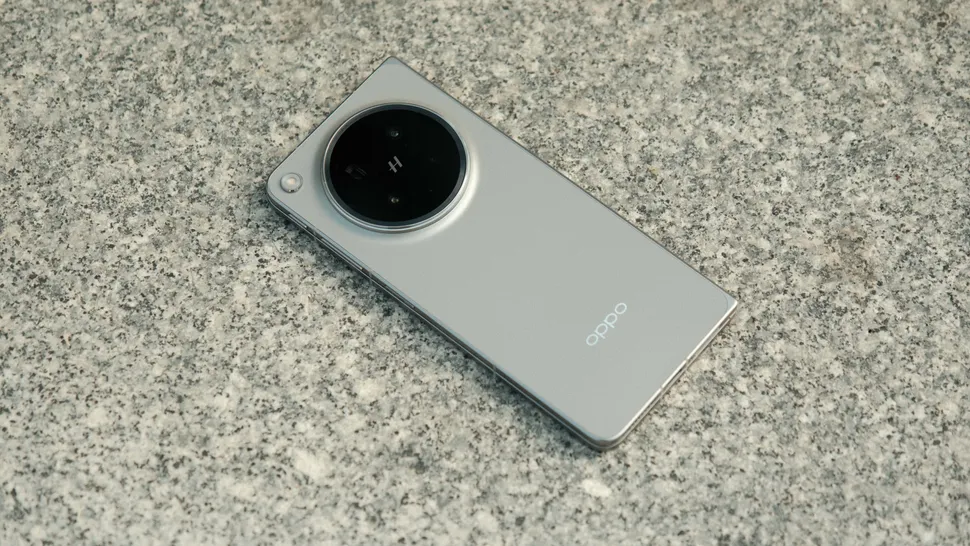
That said, you’re still carrying a large foldable. The camera ring is visible, the body is tall, and you never fully forget that this is more phone than slab-phone.
Display Quality
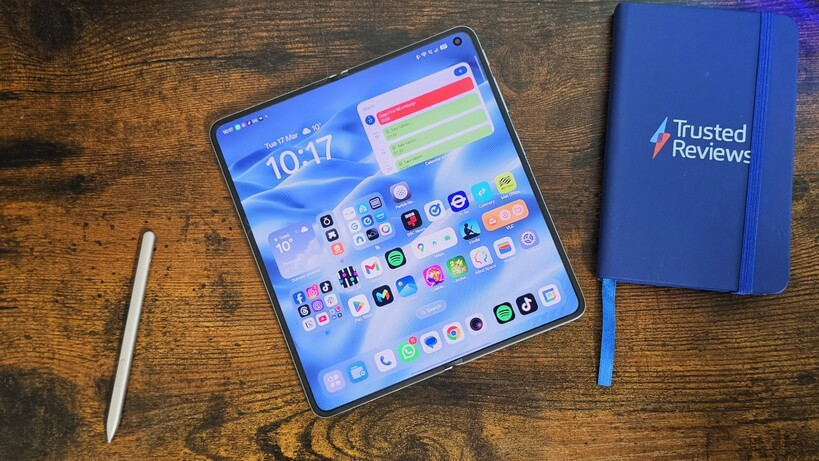
Both displays are strong, but the inner one is why this phone exists. The cover screen handles quick tasks well. The larger panel is where the Find N6 starts to justify its price.
Why the inner screen is the star of the show
The 8.12-inch OLED panel is the reason this phone stands out. It runs at up to 120Hz, looks smooth, and feels wide enough for reading, editing, split-screen work, and video without constantly fighting the crease.
When you open it, you get that rare foldable feeling where the hardware stops asking for patience. If you’ve been curious about larger-screen devices, Oasthar’s Galaxy Z TriFold review shows how far this category is pushing screen size.
Where the outer screen still feels limited
The 6.62-inch cover display is good for one-handed replies, maps, music control, and quick browsing. You won’t need to unfold the phone every five minutes.
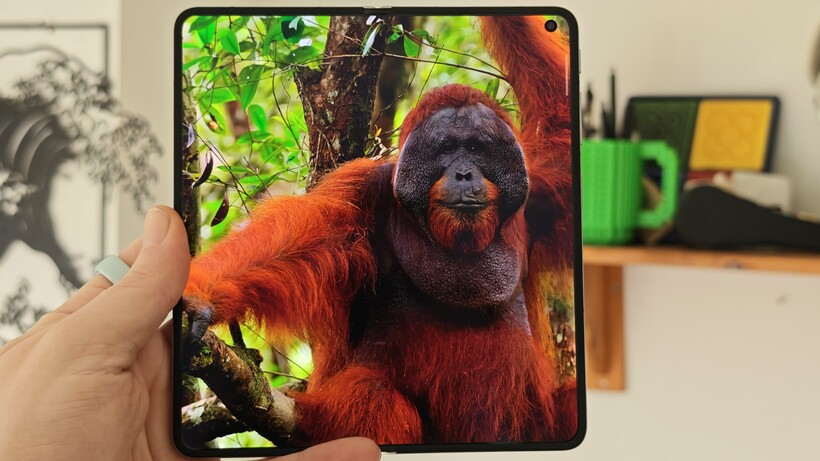
Still, it’s tall and narrow compared with a standard flagship. That shape is usable, not perfect. Reflections and outdoor visibility can also chip away at the experience when you’re outside in harsh light.
Performance
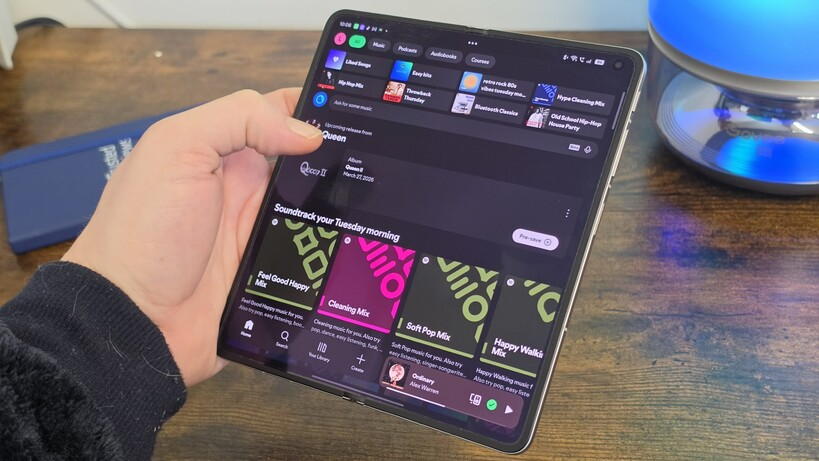
Oppo uses a custom seven-core version of the Snapdragon 8 Elite Gen 5 here. On a chart, that means it doesn’t always match the fastest bar-style flagships.
In real use, you don’t feel short-changed. Apps open quickly, animations are snappy, and the whole phone feels fast. If you care about the numbers, GSMArena’s test results back up the gap in benchmarks without turning it into a real-world problem.
Gaming, multitasking, and editing on the go
This is a strong phone for heavy use. Games run well, split-screen works smoothly, and tools like CapCut and Lightroom make sense on the larger inner display.
Long sessions can warm the phone up, which isn’t surprising in such a thin body. The key point is that it stays responsive, and that matters more than a bragging-rights benchmark win.
Battery Life & Charging
Battery life is one of the Find N6’s best arguments. A 6,000mAh cell in a foldable this thin is a big deal, because the inner display usually punishes you for using the feature you paid for.
Here, you can use the big screen without rationing it. Real-world battery life lands around a full day to a day and a half, depending on how hard you push it.
What a full day looks like in practice
With messaging, browsing, streaming, photos, and some gaming mixed in, the Find N6 usually gets through the day with charge left. That’s a bigger win than it sounds.
Charging helps, too. You get 80W wired charging, 50W wireless charging, and up to 55W over USB-C PD. To hit the top wired speed, you need the right charger.
Software & Ecosystem Tools
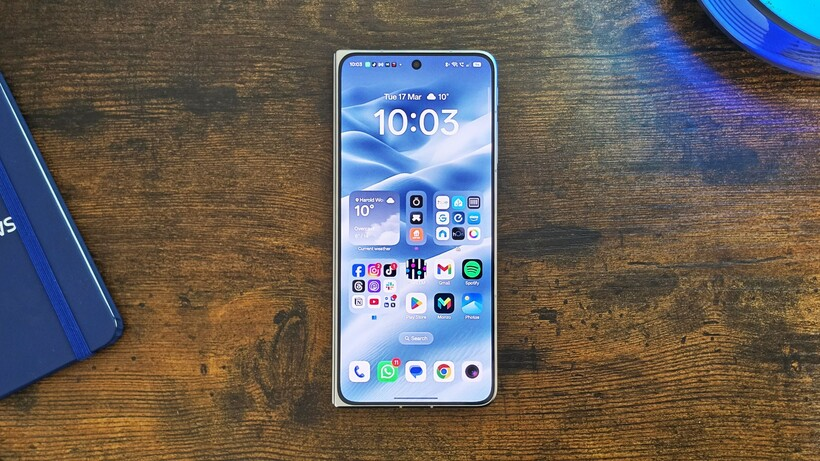
ColorOS 16, based on Android 16, is a big part of why this phone works. It feels quick, polished, and less cluttered than some Android skins, even if parts of the look borrow a little too much from Apple.
The good news is that the software isn’t style-first. It is built around speed and large-screen use.
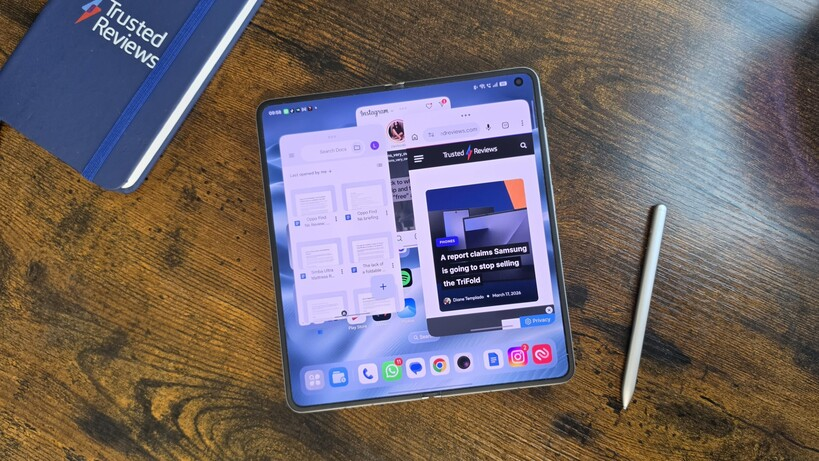
Free Flow Window and multitasking features
Free Flow Window is the best example. You can run multiple resizable apps on screen, keep mini windows floating in the background, or use more standard split-screen layouts when you want less visual noise.
That makes everyday work easier. You can compare notes, reply to messages while reading a webpage, or keep a reference app open without bouncing back and forth.
AI extras and ecosystem perks
The AI tools are a mixed bag. Photo editing and translation are handy. Transcription exists, but review coverage points to limits and some rough edges in the summary feature.
The ecosystem extras are more interesting. You get tools for connected-device continuity, iPhone notification access in some cases, and remote desktop options for PC and Mac. If you already live across multiple devices, that adds real value.
Connectivity
The basics are all here. You get Wi-Fi 7, Bluetooth 6, and NFC for contactless payments.
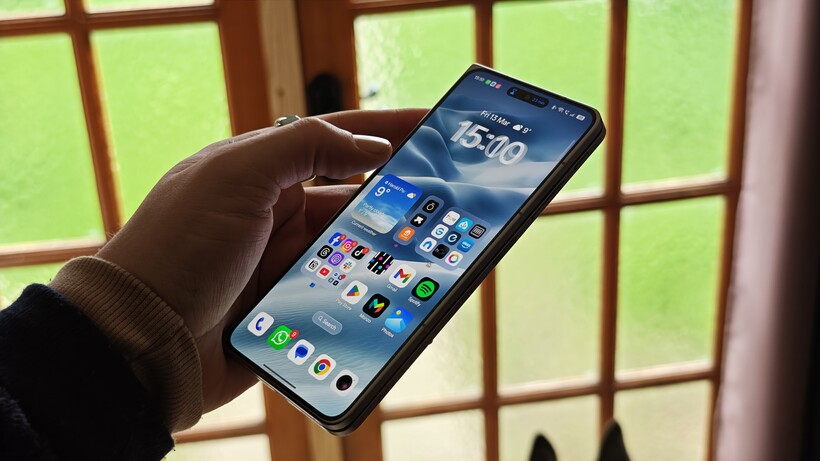
Oppo also changed the antenna layout to improve reception whether the phone is open or closed. That’s the sort of detail you don’t think about until a foldable gets it wrong, and there are no red flags in the available testing.
Cameras & Audio
This isn’t the best camera phone you can buy. It is one of the better camera systems you can get on a foldable, and that is a different, more useful claim.
Main camera and zoom camera strengths
The rear setup is strong: a 200MP main camera, a 50MP 3x telephoto, and a 50MP ultrawide with autofocus. Oppo also adds a True Color Camera to help keep white balance and color more consistent across the lenses.
In daylight, you get detailed photos, balanced HDR, and colors that look lively without going overboard. The 3x zoom is good for portraits, and the main camera holds up well in lower light for a foldable.
Where the camera system still falls short
The weak spots are familiar. The ultrawide still falls behind in dim scenes. The 3x zoom doesn’t reach as far as the best bar phones. Fast motion and extreme contrast can still trip up the main camera.
Video is also less convincing than the best slab phones. If camera quality is your top priority, not just one priority, a conventional flagship still gives you more confidence.
Extra Features
The optional stylus is the standout extra. It works on both displays, and the dedicated case stores and charges it through the phone’s reverse charging system.
You also get a customizable SnapKey for shortcuts, which helps if you like quick access to specific tools. Small touches like that push the Find N6 closer to a productivity device, not only a media toy.
Price & Value
In China, the 16GB and 512GB model is priced at CNY 10,099, which roughly converts to about $1,500 before import costs. As of June 2026, the phone is released, but it still isn’t officially sold in the US, UK, or Europe.
That changes the value story. In supported markets, this feels like fair premium-foldable pricing. In the US, importing means extra fees, weaker warranty protection, and a bigger question over long-term support.
Who the OPPO Find N6 is for?
Buy it if:
- You want one of the least distracting foldable creases available right now.
- You care about battery life as much as screen size.
- You’ll use multitasking, reading, editing, or stylus notes on the inner display.
Don’t buy it if:
- You live in the US and don’t want import risk, added cost, or shaky warranty support.
- You want the absolute best camera or video quality, not the best camera on a foldable.
- You care more about raw benchmark wins or a more natural cover-screen shape.
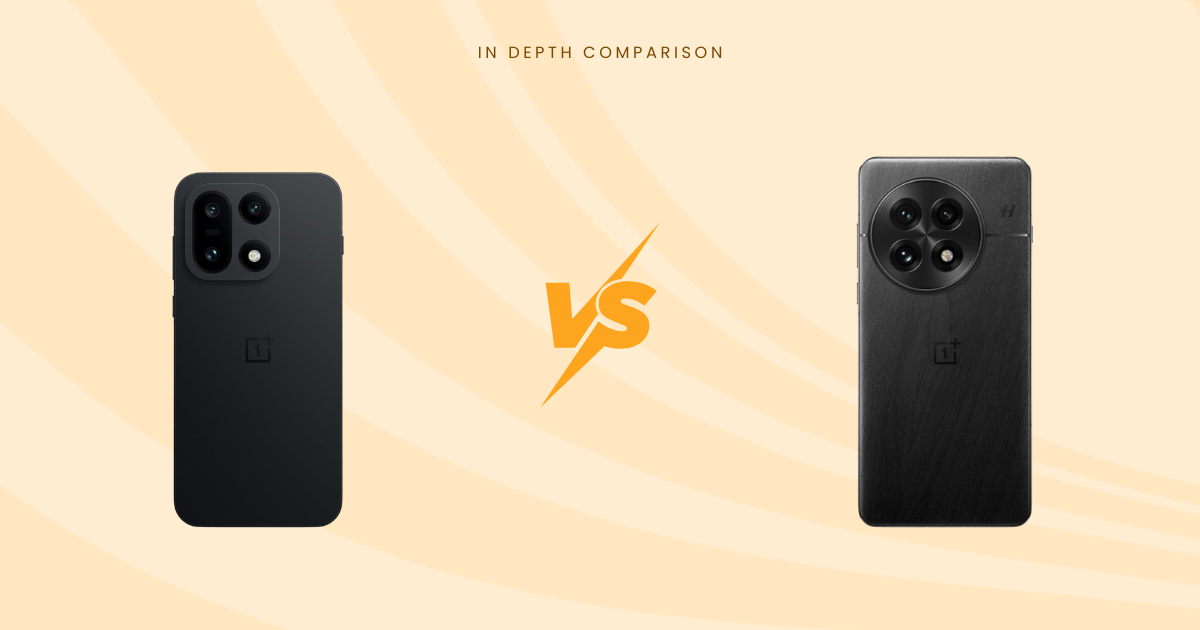
If you’re comparing easier-to-reference foldable options before making that leap, this head-to-head foldable phone comparison is a useful gut check.
FAQs
How visible is the Find N6 crease in daily use?
You’ll barely notice it in normal use. OPPO’s new hinge and Auto-Smoothing Flex Glass make the inner screen look almost flat, with the crease only showing under direct light.
Is the OPPO Find N6 good for photography?
You get very strong foldable-camera results, especially from the 200MP main camera and 50MP telephoto. It still doesn’t beat the best bar-style camera phones in low light.
How long does the Find N6 battery last?
It lasts a full day for most people, and often a bit more. The 6,000mAh battery, plus 80W wired charging, makes top-ups fast when you need them.
Can the Find N6 replace your regular flagship phone?
It can, if you want a foldable that feels polished and practical. At 225g and 8.93mm folded, it feels close to a normal flagship, just with a bigger screen.
Where can you buy the OPPO Find N6?
You can buy it only in select markets, with China and a few Asia-Pacific regions getting priority. OPPO hasn’t announced official UK, US, or Europe sales.
Final Verdict
The OPPO Find N6 gets closer than most foldables to feeling normal when closed and genuinely useful when open. Its biggest strengths are the near-flat inner screen, strong battery life, refined design, and cameras that don’t feel like an afterthought.
You still pay the usual foldable tax in a few places. The camera system doesn’t fully catch the best slab phones, the chipset trails top eight-core rivals in benchmarks, and US availability is the biggest problem of all.
If you can buy it locally, this is one of the best foldables of 2026. If you have to import it, the hardware still impresses, but the decision gets a lot harder.