

You’re not alone if you’ve asked, is cooking on an electric grill healthy or just “less bad” than charcoal. The short version: it can be very healthy, but your settings and habits matter more than most people think.
In this guide, you’ll get a straight comparison of electric vs. gas vs. charcoal, plus a simple explanation of the cancer-related compounds people worry about (HCAs and PAHs). You’ll also get clear guidance on non-stick safety, indoor air quality, and how to grill with less smoke and less charring.
Most importantly, you’ll leave with practical steps that make grilling healthier without ruining the food you actually want to eat.
RELATED: The 7 Best Electric Grills for 2026, Tested and Reviewed
Electric vs charcoal vs gas, what actually makes one healthier?
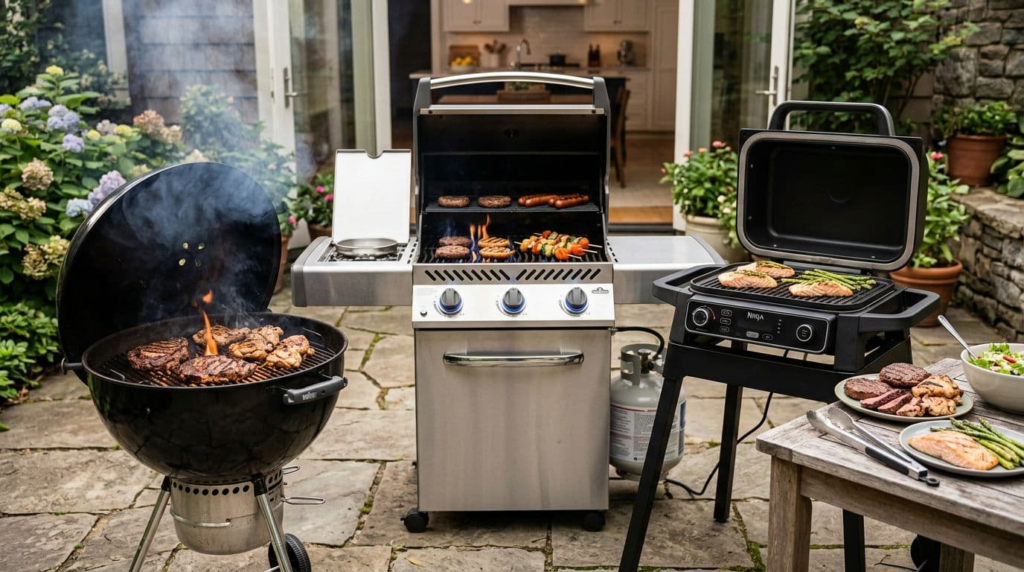
When people say one grill is “healthier,” they usually mean one thing: less smoke and less charring. That’s because smoke and flare-ups are where a lot of the risk signals come from.
Here’s what typically changes by fuel type:
- Open flame and flare-ups: Charcoal and gas can drip fat into flame. Electric usually can’t.
- Smoke production: Charcoal makes the most smoke in normal use. Gas can be clean, but flare-ups still happen. Electric tends to be the lowest-smoke option.
- Temperature control: Electric and gas are easier to keep steady. Charcoal can run hotter and spike fast.
- Where the fat goes: Many electric grills route fat into a tray, which can cut both grease and smoke.
To make it concrete, this quick table covers the usual trade-offs for health.
| Grill type | What it does well | Where it can go wrong | Best use case |
|---|---|---|---|
| Electric | Low smoke, no open flame, steady heat | You can still overheat and char food | Indoor grilling, weeknights, simple meals |
| Gas | Good control, less smoke than charcoal | Flare-ups if fat drips on burners | Outdoor grilling with easy heat control |
| Charcoal | Strong flavor, great sear | More smoke, hotter temps, more flare-ups | Occasional outdoor grilling when you manage heat |
The big takeaway: electric often produces the least smoke and fewest flare-ups in normal home cooking, gas can be close behind with good technique, and charcoal tends to create the most smoke and flare-ups.
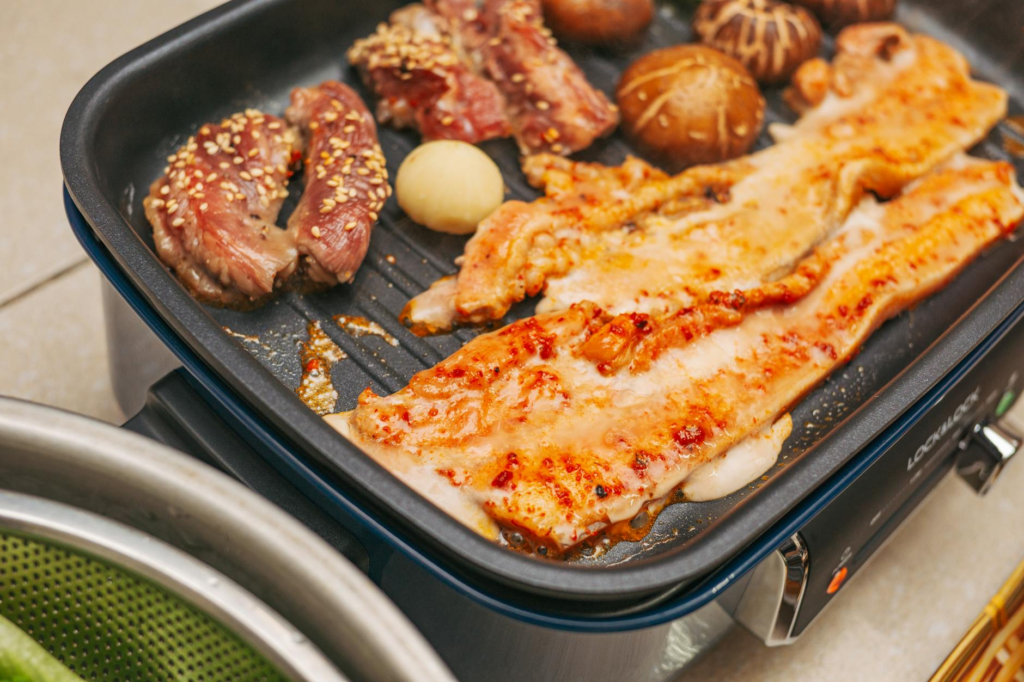
The compounds people worry about in plain English
Let’s keep this simple. When you grill meat, two types of chemicals get most of the attention:
HCAs can form when muscle meats (like beef, chicken, pork, fish) cook at high heat. Think of HCAs as a byproduct of browning meat proteins hard and fast.
PAHs are more about smoke. When fat drips, burns, and creates smoke, that smoke can coat your food. More smoke and more flare-ups usually means more PAHs.
That’s why grill type matters, but only to a point. The real “danger zone” isn’t electricity or charcoal by itself. It’s the combo of very high heat, heavy charring, and smoke exposure.
If you want a balanced overview of what research and cancer centers usually say about grilling risk, City of Hope has a clear, plain-language explainer on grilling and cancer risk basics.
A helpful rule you can actually use: less smoke on the food usually means fewer PAHs, and less black char usually means fewer HCAs.
Myth vs fact, does electric grilling cause cancer?
You’ll see the question everywhere: does electric grilling cause cancer?
Myth: Electric grills are dangerous because “electric heat” creates cancer-causing chemicals.
Fact: The risk isn’t about electricity. It’s mostly about high heat, smoke, and charring, regardless of the grill.
Electric grilling usually reduces PAHs because there’s no open flame and typically fewer flare-ups. It can also reduce HCAs if you keep temperatures moderate and avoid turning your food into a blackened crust.
Still, electric isn’t magic. You can bump your risk up if you:
- Overheat the grill and char meat.
- Burn sugary marinades early (they scorch fast).
- Let old grease build up on plates and drip trays (it smokes and re-deposits on food).
If you want another straight-shooting medical take, Nebraska Medicine breaks down the “how and why” in their article on grilling meat and cancer risk.
How electric grills can cut fat and keep meals lighter
Electric grilling’s best health win is also the one you notice the next day: less grease. You’re not cooking in a pool of oil, and you’re not basting meat in its own drippings.
A lot of models are built like fat draining grills, where the cooking surface slopes and a tray catches runoff. That does two useful things:
First, it reduces how much rendered fat stays in contact with the food. Second, it can cut flare-up style smoke, because that fat isn’t hitting a flame.
This doesn’t mean you should ignore food choices. A ribeye is still a ribeye. However, when you pair an electric grill with lean proteins and vegetables, you usually get a lighter meal without trying hard. That’s one reason electric grills are popular for weeknight cooking: you can grill chicken, fish, peppers, and onions fast, then stop.
You also tend to get better portion control. An indoor electric grill has limited surface area, which subtly nudges you toward two fillets and a pile of vegetables, not a whole backyard cookout spread.
The slanted plate and drip tray effect
The “George Foreman style” design is simple: fat runs away from the food into a tray. You end up eating less of it, which can support heart health when your overall diet lines up.
But it has limits. Draining fat doesn’t turn ultra-fatty cuts into health food, and it won’t erase a heavy sauce or processed meat choice.
If you want easy swaps that still taste like grilling:
- Choose chicken breast instead of thighs when you want the lean option.
- Go for 90 percent lean ground beef for burgers.
- Grill salmon or white fish and finish with lemon.
- Load half the plate with vegetables that hold up to heat (zucchini, peppers, onions, mushrooms).
One underrated perk: less dripping oil usually means less smoke, which can also help cut PAHs.
Nutrients and texture, how to avoid drying food out while staying healthy
Grilling can be a nutrition-friendly method because you don’t need deep-frying oil or lots of butter. The catch is overcooking. Dry, stringy chicken isn’t just sad, it also pushes you toward heavier sauces and more salt.
Electric grills can help here because the heat is steady. Use that steadiness to cook with control:
Use a thermometer and pull food at safe temperatures (USDA guidance is the standard reference point). Let meat rest for a few minutes so juices redistribute. Then slice.
Vegetables are your easy win. They cook fast and handle grill heat well. Brush lightly with oil, season, and don’t chase perfect grill marks. With electric, you’re better off with even browning than aggressive charring.
Non-stick plates, indoor air and other hidden health questions
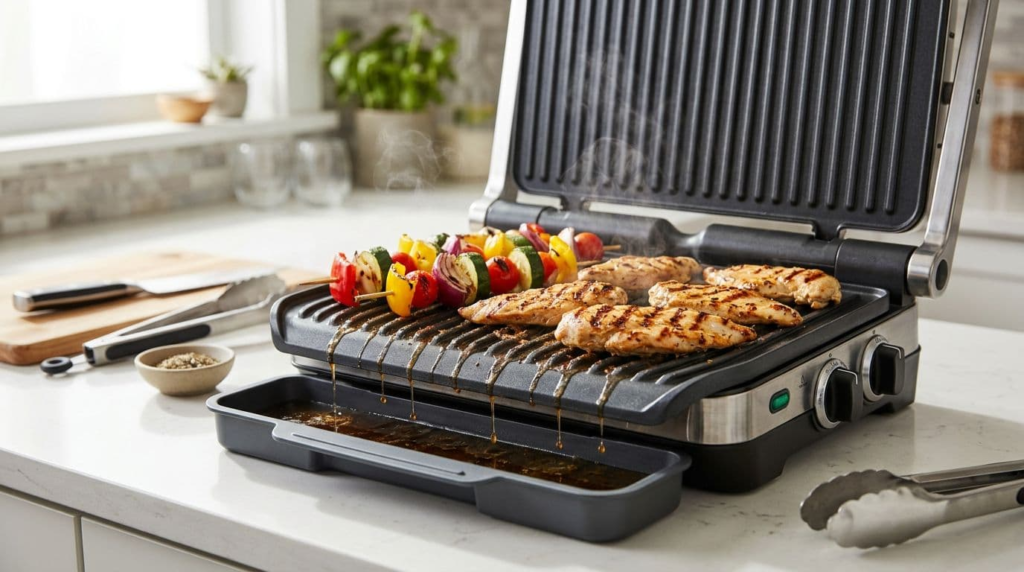
If you’re grilling indoors, your questions shift. You’re not just thinking about char. You’re thinking about non-stick coatings and what you’re breathing.
Good news: electric grilling avoids combustion. No burning charcoal, no gas exhaust, no open flame. That generally makes it easier to keep indoor air cleaner, as long as you control smoke from food drippings and burnt residue.
Still, the two common deal-breakers are real:
- “Is non-stick safe?”
- “Will my apartment smell like a steakhouse?”
You can handle both with smart buying choices and basic ventilation. You don’t need lab gear. You just need a routine.
PTFE, PFOA, ceramic and stainless, what is safe at home?
Most electric grills use one of three surfaces: PTFE-based non-stick, ceramic non-stick, or stainless steel.
Modern PTFE coatings are typically PFOA-free. When you use them as directed, they’re widely considered safe for home cooking. The bigger practical issue is overheating. Very high heat can damage coatings and create fumes, so you don’t want to crank it and walk away.
Ceramic coatings are often marketed as a lower-fume option. They can work well, although durability varies by brand and cleaning habits.
Stainless is the tank. It’s durable and doesn’t rely on a coating, but food can stick if you don’t preheat properly or if you use no oil at all.
Quick buying tips that actually matter:
- Look for PFOA-free labeling.
- Prioritize real temperature control, not just low and high.
- Favor grills with replaceable plates if you plan to use it often.
Why electric grilling can be easier on indoor air
Indoor air quality is a big part of the “healthy” question, especially in smaller US homes and apartments. Smoke is made of tiny particles and gases, and indoors they can hang around longer.
Electric helps because you’re not burning fuel. But you still need to avoid food smoke, which usually comes from fat drips, scorched sugar, and dirty plates.
Here’s a simple, realistic checklist:
- Use the drip tray every time and empty it before it overflows.
- Trim excess fat and remove loose skin.
- Save sugary sauces for the last few minutes.
- Crack a window or run the hood fan.
- Clean plates so old grease doesn’t smoke on the next cook.
For a science-forward, practical read on reducing grilling byproducts without losing the fun, Superpower’s guide on safer BBQ habits lays out the same core idea: control heat, control smoke, and don’t over-char.
Make electric grilling even healthier with these simple habits
You don’t need perfect cooking to make a real difference. You need fewer flare-ups, less smoke, and less time at extreme heat. Electric grills make that easier because the heat is steady and predictable.
Start with two goals:
- Get the food cooked through safely.
- Avoid turning the surface black.
That’s it. Everything else is just a tactic.
The 30 minute marinade trick that lowers the “char chemicals”
Marinades aren’t only for flavor. Studies have found big reductions in HCA formation with certain antioxidant-rich mixes, sometimes up to around 90 percent depending on ingredients and method.
You don’t need a complicated recipe. Try this simple template:
- Acid: lemon juice or vinegar
- Aromatics: garlic, onion, or both
- Herbs: rosemary, oregano, thyme, or a blend
- A little oil, plus salt and pepper
Give it 30 minutes in the fridge. Then pat the surface dry before grilling so you brown without burning.
For a more technical look at how marinades and grill types can affect PAHs, this 2024 Foods paper is a solid reference: marinades and PAH levels on grilled chicken.
If you want one “high impact, low effort” move, it’s this: marinate, then cook at moderate heat.
Fast safety checklist: temp control, flip often, pre cook and clean up
- Keep heat moderate: High heat is where heavy charring happens fast.
- Avoid heavy black char: Brown is fine, black crust isn’t the goal.
- Flip more often: Frequent flipping can reduce time any one side gets blasted.
- Microwave pre-cook thick meats: Shorten grill time for chicken breasts or thick burgers.
- Use a thermometer: Cook to safe temps, then stop.
- Add sauces near the end: Especially sweet sauces that scorch early.
- Clean plates and drip trays: Old grease makes new smoke.
You’re not chasing zero risk. You’re just stacking the odds in your favor while keeping dinner easy.
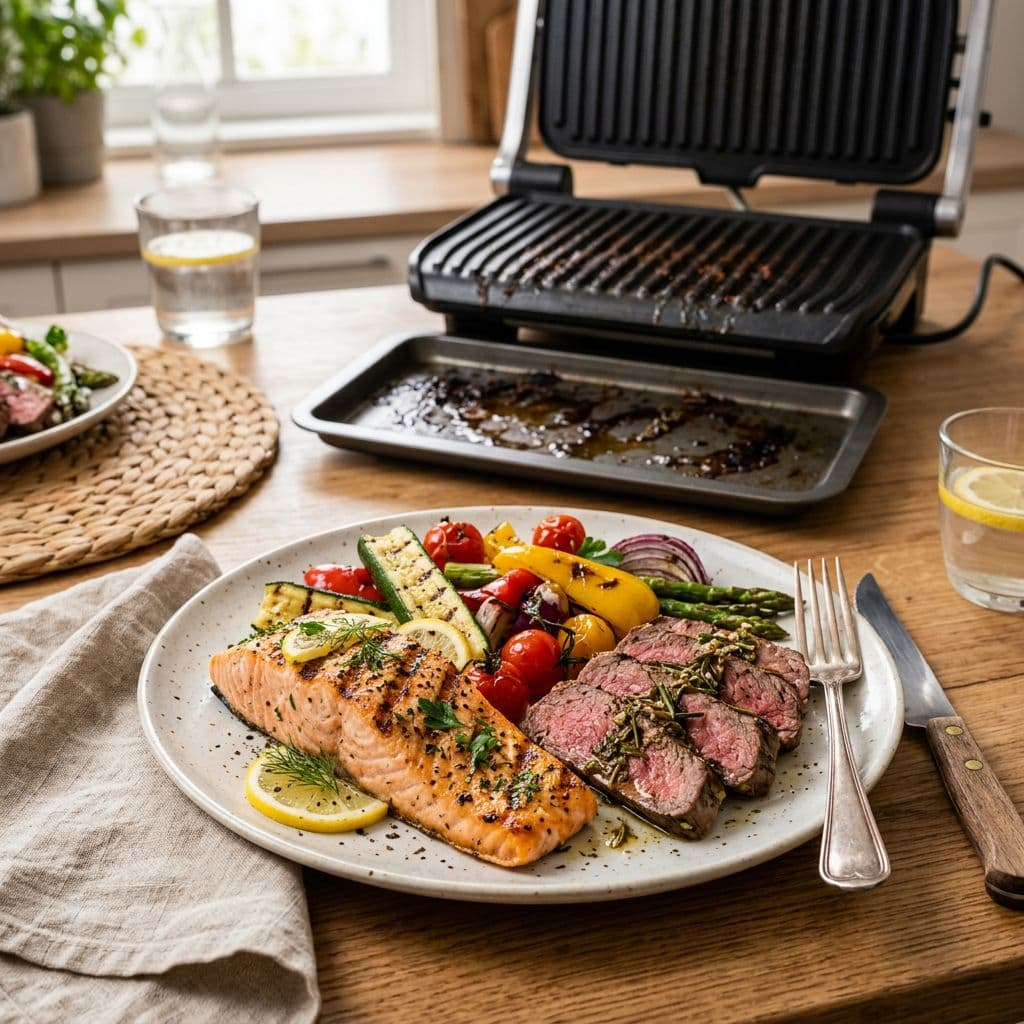
Is Cooking on an Electric Grill Healthy FAQs
Is electric grilling healthier than charcoal?
Usually, yes. Electric grilling tends to produce less smoke and fewer flare-ups, which often means fewer PAHs in normal use.
Is grilled food healthy if you eat it every day?
It can be, but variety helps. Rotate in baking, steaming, and pan-searing, and keep grilled portions reasonable.
Do vegetables create HCAs or PAHs on an electric grill?
Vegetables don’t form HCAs because HCAs come from muscle meat. PAHs can still happen if there’s heavy smoke, but electric usually keeps smoke low.
Are non-stick electric grill plates safe?
In most cases, yes, when used as directed. Avoid overheating, don’t preheat empty plates too long, and replace damaged coatings.
What’s the simplest way to reduce grilling risks?
Use moderate heat, avoid black char, marinate meat, and keep the grill clean. Those four do a lot.
Conclusion
Electric grills are generally a healthy way to grill because they reduce smoke, flare-ups, and greasy buildup. Still, your results depend on temperature, charring, and how clean you keep the plates and drip tray. If you cook at moderate heat, flip often, and don’t burn sugary sauces, you can keep HCAs and PAHs lower without giving up flavor. You also don’t need to avoid grilling altogether, you just need smarter habits. If you cook indoors often, or you want a simple, low-smoke setup, an electric grill is an easy choice that fits real life.