

Should you buy the Coros Apex 4 over a brighter, flashier AMOLED rival? That’s the whole question with this watch, and the answer comes down to what you care about when you’re out training.
The Apex 4 is a rugged, lightweight outdoor watch that puts battery life, GPS accuracy, and offline maps ahead of smartwatch tricks. You get durable materials, strong navigation, and a feature set aimed at runners, hikers, climbers, and anyone who wants a watch that keeps going.
If you’re trying to figure out whether that tradeoff is worth it, this review cuts straight to the important stuff: design, display, tracking, battery, software, and who this watch fits best.
RELATED: Amazfit T-Rex Ultra 2 Review (2026): Big Battery, Big Screen
Quick Summary
The Coros Apex 4 gets the big things right. Battery life is excellent. GPS accuracy is much better than older Apex models. Offline maps are useful, fast, and easy to load. The build also makes sense, with a plastic case keeping weight down while titanium and sapphire protect the parts that take the hits.
The weak spots are easy to spot too. The MIP screen is functional, not exciting. Smart features are thin. The watch is also fairly thick, and it won’t win many beauty contests next to an AMOLED Garmin or Suunto.
Buy it for battery, maps, and dependable tracking. Skip it if you want your sports watch to feel like a mini smartphone.
If you spend more time thinking about route guidance, climb profiles, and how long the battery will last on a weekend trip, this watch deserves your attention. If you care more about screen pop, music apps, payments, and a prettier everyday look, it probably doesn’t.
Specifications
These are the specs that matter most when you’re deciding between the two sizes.
| Feature | Apex 4 42mm | Apex 4 46mm |
|---|---|---|
| Price | $429 | $479 |
| Case size | 42.6 x 42.6 x 15.8mm | 46.2 x 46.2 x 15.5mm |
| Weight with silicone band | 56g | 64g |
| Display | 1.2-inch MIP, 240 x 240 | 1.3-inch MIP, 260 x 260 |
| Screen protection | Sapphire crystal | Sapphire crystal |
| Bezel | Titanium | Titanium |
| Smartwatch battery | Up to 15 days | Up to 24 days |
| Max GPS battery | Up to 41 hours | Up to 65 hours |
| Storage | 32GB | 32GB |
| Water rating | 5 ATM | 5 ATM |
| Key hardware | Dual-frequency GPS, mic, speaker, altimeter, pulse oximeter | Dual-frequency GPS, mic, speaker, altimeter, pulse oximeter |
The short version is simple: the smaller model wears better, the larger one lasts longer.
Design & Build Quality
On your wrist, the Apex 4 feels tougher than it looks. The body is mostly plastic, but the titanium bezel and sapphire crystal cover the parts that matter most. That’s a smart setup for an outdoor watch, because you keep the durability without turning it into a brick.
The 42mm model is the easier daily wear. At 56g with the silicone strap, it’s still substantial, but not bulky. The 46mm version jumps to 64g with silicone, though it stays lighter than many adventure watches in this class. If you swap to a nylon band, both versions drop noticeable weight.
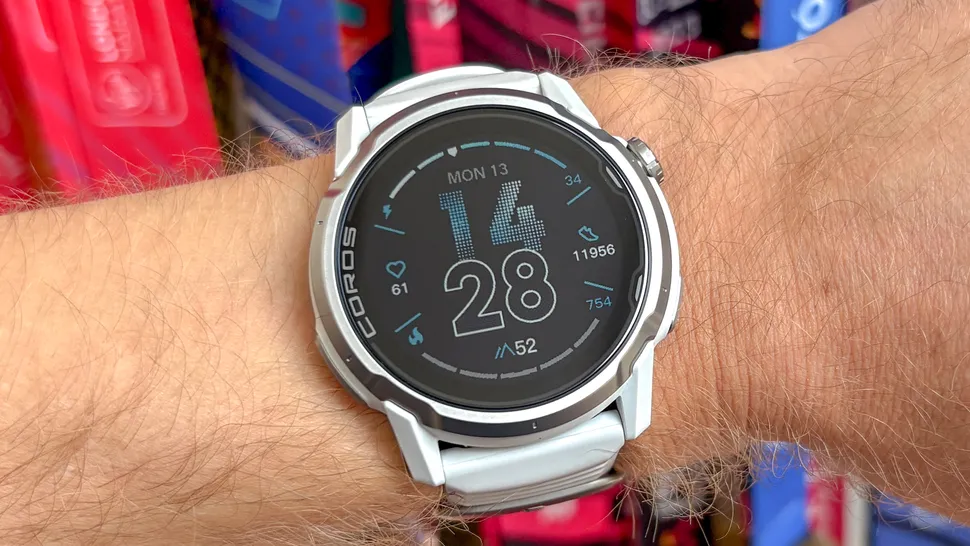
You do feel the thickness. This isn’t a slim watch, and that shape makes it look more functional than refined. Some people will love that. Others will look at an AMOLED rival and never look back.
Controls are good. You get three buttons, including a digital dial and a customizable Action button. In practice, that extra button helps when you’re bouncing between map and data screens mid-workout, or when you want to drop a voice pin fast. One small miss, though, is the lack of a built-in flashlight. On outdoor watches, that feature is getting harder to give up.
Display Quality
The screen is where the Apex 4 makes its big argument. Coros stuck with MIP instead of AMOLED, and that tells you exactly what kind of watch this is.
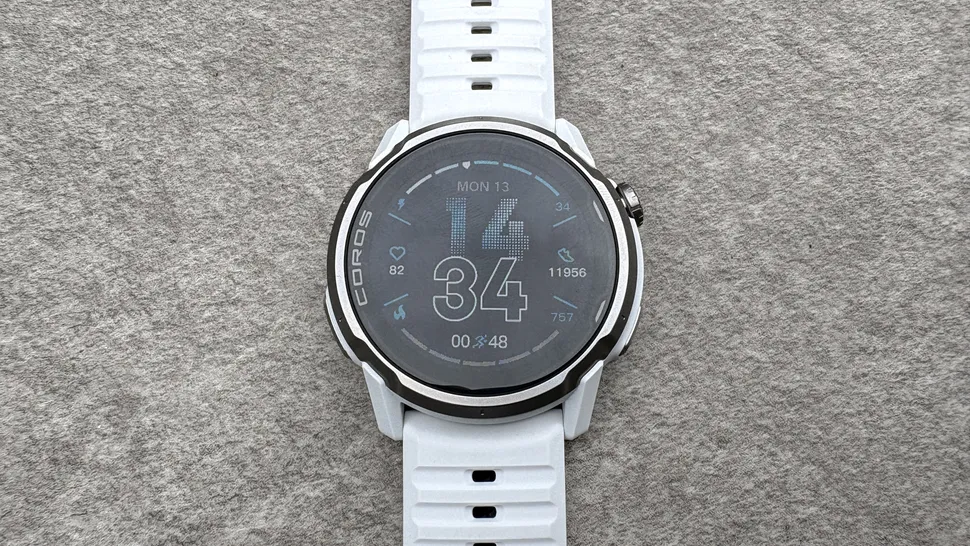
In bright sunlight, the display works well. It stays readable, it sips power, and it fits the whole point of a long-life outdoor watch. Coros also improved this generation’s MIP panel with better contrast and resolution than older Apex models, so it looks cleaner than past versions.
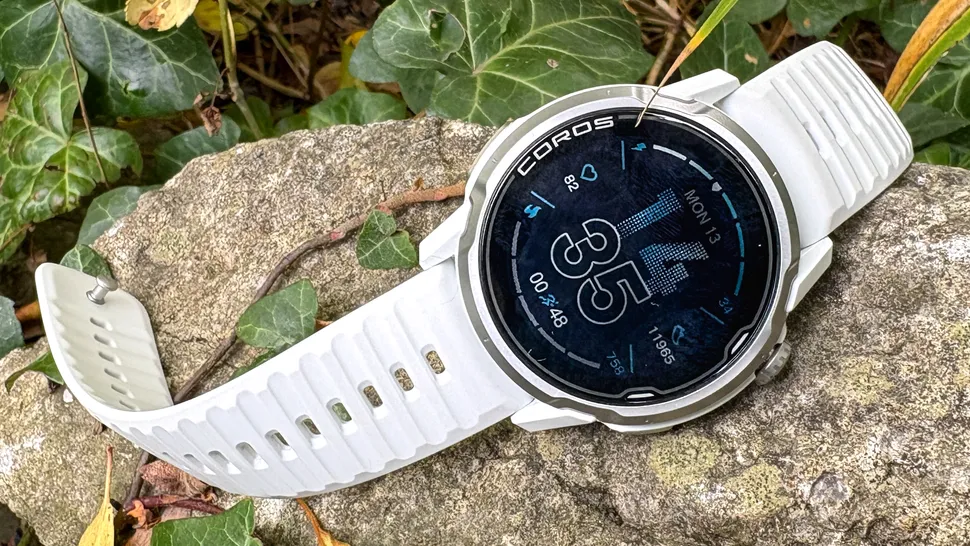
Still, you’re not getting the visual punch of an OLED-style screen. Indoors, or in dim light, the display can look flat and a bit dull. That’s the trade. You gain endurance and lose sparkle.
If you’ve been shopping around, that’s the part to sit with. A month-long Apex 4 test from Trail and Kale lands in a similar place: strong utility, less visual excitement. If you already know you dislike AMOLED watches, this screen will feel like a feature. If you want your watch face to pop, it will feel like a compromise every day.
Performance
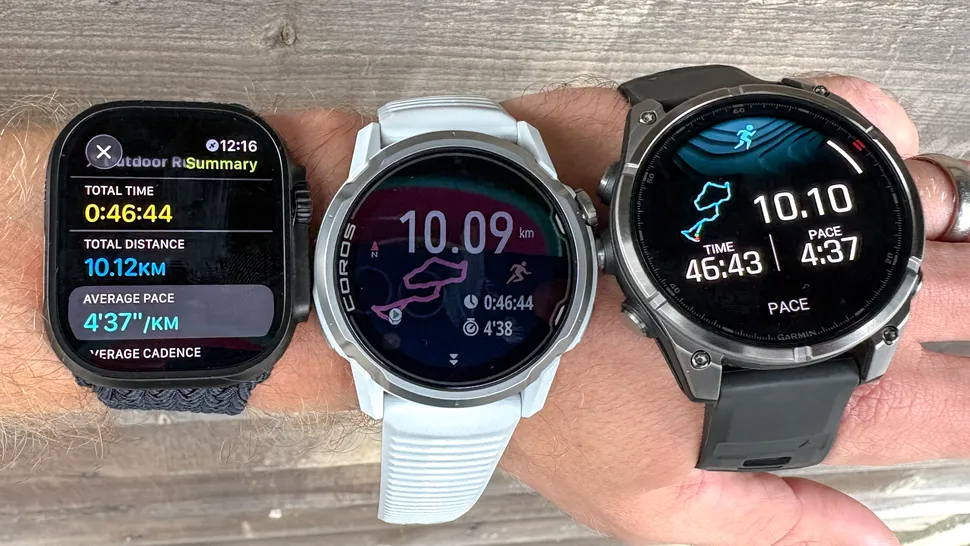
This is where the watch starts to earn its price. Dual-frequency GPS is a big upgrade, and in real use it tracks well even under tree cover and on more technical routes. Earlier Apex watches had a shakier reputation here. The Apex 4 is a much safer bet.
Heart rate accuracy is also improved. It’s generally close to a chest strap during runs and indoor rides, though it can still throw the odd spike. That’s normal wrist-based sensor behavior, and the Apex 4 is good enough for day-to-day training without turning every workout into a trust exercise.
The faster processor helps more than spec sheets suggest. Maps load quicker. Panning and zooming feels smoother. Coros says rendering is up to 30 times faster, and the watch does feel less hesitant when you’re moving through navigation screens.
Training support is solid rather than exhaustive. You get training load, running fitness estimates, race predictions, and plenty of workout data. If you want broad context on where it sits in the market, these best running watches of 2026 show the bigger picture. The Apex 4 is strong where outdoor performance matters most, even if it doesn’t match Garmin for training depth.
Battery Life & Charging
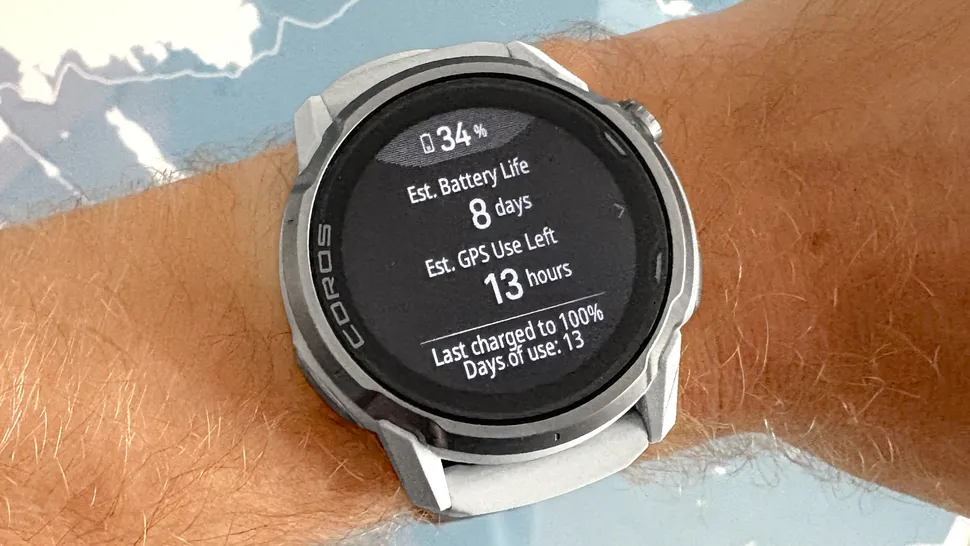
Battery life is the headline feature, and the watch mostly lives up to it. Coros rates the 42mm version for up to 15 days of regular use and the 46mm for up to 24 days. GPS numbers depend on mode, but the quoted max climbs to 41 hours on the smaller watch and 65 hours on the larger one.
In normal use, those numbers feel believable. Testers have reported getting well over a week with frequent activity tracking and still having plenty left in the tank. That’s the upside of a MIP watch done properly. You wear it, train with it, sleep in it, and you don’t think about charging all the time.
Endurance Mode stretches things further by managing satellite use more aggressively. You can also squeeze out more battery by reducing daytime heart-rate checks, turning off stress tracking, or not wearing it for sleep.
Charging is simple, if a little plain. The watch uses Coros’s small keychain-style charging adapter that connects to USB-C, but you don’t get a cable in the box. That’s not a deal breaker. It’s just one more small reminder that Coros is focused on function, not extras.
Software & Ecosystem
Coros software is easy to like because it stays focused. The app handles route creation, map downloads, activity history, training load, running fitness, and race predictions without feeling cluttered. You can sync routes straight to the watch and get turn-by-turn directions plus elevation profiles for what’s ahead.
Offline maps are a real strength. They include trail and street names, and they’re easy to download over Wi-Fi from the app. You can also save voice pins during an activity, which is more useful than it sounds when you’re marking a trail junction, water source, or meeting point.
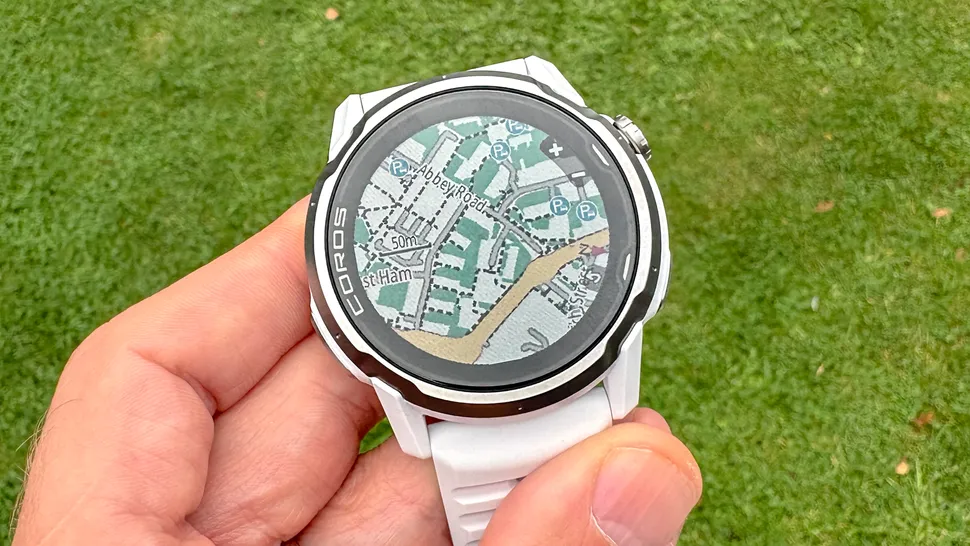
The weak spot is depth, not usability. Garmin still offers more advanced training metrics and smarter navigation tools, including better rerouting and climb breakdowns. A first look from The High Route makes a similar point, especially for mountain users who want more climb-specific guidance.
So, yes, the ecosystem is good. It just isn’t the biggest or deepest one in the category.
Connectivity, Audio & Call Features
Wi-Fi and Bluetooth are here, along with Bluetooth sensor support, and the new speaker and microphone add some convenience you didn’t get on older Apex models. You can take phone calls on the watch as long as your phone is nearby and connected. Audio quality is good enough for quick conversations and alerts.
That doesn’t make this a cellular watch. It can’t place calls on its own, and there isn’t a full contact or dialer setup for outgoing calls directly from the wrist.
The same hardware also powers voice pins and spoken alerts, which fits the watch better than call handling does. That’s the recurring theme with the Apex 4. The extra hardware is useful, but Coros still treats the watch like a training tool first.
Smartwatch gaps remain obvious. There’s no NFC payment support. Music storage is limited to MP3 files you load yourself. You also don’t get streaming service integration or a broad app platform. If you want those things, you want a different kind of watch.
Extra Features
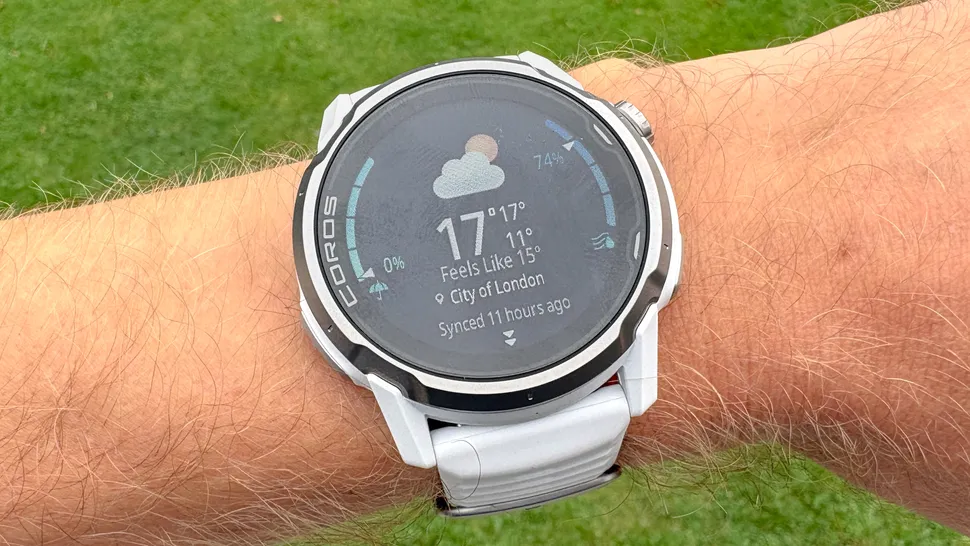
The Apex 4 is full of small touches that matter more once you’re outside for hours. The barometric altimeter helps with elevation data. The pulse oximeter adds another bit of health and altitude context. Weather widgets and saved locations let you keep tabs on conditions beyond where you are standing.
Mapping is the star, but it’s not alone. You also get a wide range of sport modes, including climbing, winter sports, swimming, triathlon, and more casual profiles. During activities, you can show up to eight stats on one page, which keeps useful information close without endless scrolling.
There is also a depth sensor, but keep your expectations in check. Right now, it’s a limited extra, not a dive feature. If you need a proper dive watch, this isn’t it.
Price & Value
The Coros Apex 4 launched on October 15, 2025, at $429 for the 42mm model and $479 for the 46mm. That’s still expensive, but the value story is better than older Apex generations because the feature mix makes more sense now.
You get offline maps, dual-frequency GPS, strong battery life, a durable build, and the same core features across both sizes. That puts it in a good spot for buyers who want serious outdoor tools without paying full flagship Garmin money. If you’re comparing up the ladder, these best Garmin watches for athletes make the tradeoff clear: Garmin usually gives you more software depth and smartwatch polish, but it often costs more.
Within Coros, the choice is cleaner than it used to be. Pace models make more sense for road runners who want lighter, cheaper watches. The Vertix line is for buyers who want more bulk and even more battery. The Apex 4 lands right in the middle, and that’s probably the smartest place for it.
Who is it for?
Buy it if
- You care more about battery life than screen wow factor.
- You want reliable dual-frequency GPS and strong navigation for trails, hikes, and long runs.
- You like durable materials without wearing a huge metal tank on your wrist.
- You want offline maps and route guidance without paying top-end Garmin prices.
Don’t buy it if
- You want a bright AMOLED display that looks great indoors and out.
- You expect rich smartwatch features like NFC payments, streaming music, and a big app ecosystem.
- You want a slimmer, more stylish watch for daily wear first and training second.
If that sounds blunt, good. It should. A value-focused take from Better Trail lands in much the same place: this is a mountain and endurance watch with a clear purpose, not a do-everything lifestyle wearable.
FAQs
How long does the Coros Apex 4 battery actually last?
The 46mm model is rated for up to 24 days in regular smartwatch use and up to 65 hours in GPS mode, while the 42mm version is rated for up to 15 days and 41 hours.
Is the Coros Apex 4 better than AMOLED sports watches?
If battery life matters more than screen pop, it can be. You get a memory-in-pixel display, so it stays efficient for long outings, but it looks duller than AMOLED indoors and under cloud cover.
Does the Coros Apex 4 have offline maps and navigation?
Yes, and that’s one of its best features. You can download offline maps, build routes in the Coros app, and follow turn-by-turn directions with street and trail names.
How accurate is the Coros Apex 4 during outdoor workouts?
It’s very accurate for a sports watch. GPS tracks stayed close to real routes in testing, even under trees, and wrist heart-rate readings mostly matched a chest strap.
Does the Coros Apex 4 work well as a smartwatch?
Not really, and that’s the tradeoff. You get notifications, weather, MP3 storage, a mic, and a speaker, but no streaming music, NFC payments, or deep app support.
Which Coros Apex 4 size should you buy?
The 42mm model is the lighter, cheaper pick at $429, while the 46mm version costs $479 and gives you the bigger screen plus longer battery life.
Final Verdict
The Coros Apex 4 is easy to recommend if your priorities are battery life, accurate tracking, and outdoor tools that work when you need them. The maps are good, the hardware is durable, and the overall experience feels faster and more complete than older Apex watches.
The downsides are just as clear. The display is muted, the smart features are limited, and the design is more rugged than refined.
If you want function over flash, this watch makes a strong case for itself. If you want your sports watch to feel more like a smartwatch, keep shopping.