

The best running shoes don’t win in the store mirror. They win at mile three, mile six, and the morning after. If your current pair feels fine at first but rough once you settle into a run, it’s time to look closer at cushioning, drop, support, and fit.
Disclosure: As an independent reviewer, we may receive an affiliate commission on qualifying purchases made through our links. This helps support our research and testing team at OASTHAR. Learn more about our testing process.
A lot of shoes look similar on the wall. On the road, they don’t. Small changes in foam, upper shape, and stability design can turn one pair into your daily favorite and another into a pair you stop reaching for.
This guide cuts through that fast. You’ll get the top picks for comfort, speed, stability, training, and value, plus the buying advice that helps you choose the right shoe for the way you run.
RELATED: The 8 Best Shoes for 2026, Tested and Reviewed
Best running shoes at a Glance
- Best Overall: Hoka Mach 6
- Best Cushioned: Hoka Clifton 10
- Best Value: Brooks Ghost 17
- Best Premium: Nike Vaporfly 4
- Best Stability: Saucony Guide 18
- Best Training: Brooks Hyperion Max 3
- Best Speedwork: Adidas Adizero Evo SL
- Best Budget: Under Armour Sonic 7
If you want one simple takeaway, start with your main use. Daily miles, racing, treadmill work, recovery runs, and long walks all ask for something a little different.
Learn More About How We Test Running Shoes
In our assessment, the best running shoes earn their place through research, wear testing, spec checks, and broad review analysis, not hype. That gives you a more useful shortlist.
Price and Customer Reviews
We start with value, because price only makes sense next to performance. We compare major retailer listings, brand pages, and specialty run shops, then sort through large pools of customer feedback. That helps you see whether the shoe feels durable, comfortable, and true to size in real use, not only in marketing copy.
Fit and Comfort
A fast shoe that rubs your heel is still a bad shoe. We look at step-in comfort, heel hold, tongue padding, toe-box room, and how the upper moves once you pick up pace. We also pay close attention to whether the shoe feels easy right away or needs too much breaking in.
Cushioning and Ride Feel
Foam tells you a lot, but not everything. During testing, we focus on how soft or firm the ride feels, how smoothly the shoe rolls forward, and whether the cushion stays controlled. Some shoes feel plush but dull. Others feel light and springy. The best pair matches your pace and your mileage.
Stability and Support
Not every runner needs a stability shoe, but many runners want a more centered ride. We check base width, sidewall support, heel control, and how the shoe behaves when your form gets messy late in a run. Gentle guidance matters more than harsh correction for most people.
Weight and Speed Readiness
Weight changes how a shoe feels once you try to move faster. We look at whether a model feels light on foot, quick through toe-off, and efficient over different paces. A daily trainer can still feel lively, while a speed shoe should feel sharp without becoming twitchy or hard to trust.
Outsole Grip and Durability
Outsole rubber often decides how long a shoe stays in rotation. We examine coverage, grip on dry and wet surfaces, and whether high-wear zones look built for daily mileage. A good shoe should still feel dependable after repeat runs, not only during the first week.
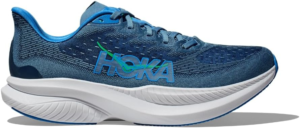
Star Rating: 4.9/5
This is the easy all-rounder. The Hoka Mach 6 has the kind of ride that makes you want to run a little longer, because it feels light, smooth, and lively without asking you to change your stride. If you want one shoe that handles most of your week, this is the safest pick.
The big update is the full supercritical EVA midsole. On foot, that means softer landings than a firm trainer, but more snap than a max-cushion cruiser. You also get a 5 mm drop and a low weight, around 7.7 ounces, so the shoe keeps moving once you turn the pace up.
Up top, the creel jacquard mesh stays breathable and clean. The fit runs snug but fair, and the thin tongue helps the shoe disappear once it’s on. The added rubber outsole also gives this version better grip and better durability than older Mach models. If you want to browse the wider line, HOKA’s US running shoe lineup gives useful context.
One owner summed it up well: the Mach 6 feels “lightweight but sturdy,” which is exactly why it lands at the top.
Midsole: supercritical EVA | Drop: 5 mm | Weight: about 7.7 oz | Upper: creel jacquard mesh | Best use: daily runs, uptempo miles, long runs
Reasons to Buy
- Light but not flimsy
- Smooth daily ride
- Strong grip upgrade
- Handles faster paces
- Easy all-around pick
Reasons to Avoid
- Snug fit for some
- Not the softest option
Who should buy it: For most runners, this is the pair that makes the most sense. If you don’t want separate shoes for easy days and moderate speed days, the Mach 6 gives you the broadest range with the fewest trade-offs.
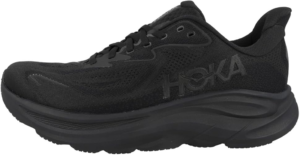
Star Rating: 4.8/5
Comfort is the Clifton 10’s whole argument, and it makes that case well. If your first priority is soft landings and calm daily miles, this shoe feels easy from the first step.
The CMEVA midsole gives you plenty of foam underfoot, yet the ride stays stable instead of mushy. That matters, because a soft shoe can quickly feel sloppy if the platform wobbles. Hoka’s Meta-Rocker shape keeps the transition smooth, so the Clifton 10 rolls you forward without feeling forced.
The jacquard knit upper stays light and breathable, and the heel shape is built to hold your foot without rubbing. You also get reflective details for lower-light runs and a durable outsole for daily use. If max comfort is your main filter, iRunFar’s best cushioned road running shoes guide is a useful extra read.
Midsole: CMEVA foam | Ride shape: Meta-Rocker | Upper: jacquard knit | Plate: none | Best use: easy runs, recovery miles, long walks
Reasons to Buy
- Soft, steady cushioning
- Smooth rolling stride
- Comfortable upper
- Great for long wear
Reasons to Avoid
- Less fun at speed
- Not a race-day shoe
Who should buy it: This works best if you care more about comfort than split times. It also fits you well if you spend long hours on your feet and want one shoe that can handle easy runs and walking without beating you up.
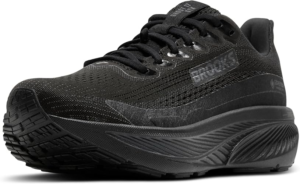
Star Rating: 4.7/5
The Brooks Ghost 17 keeps things simple, and that’s the point. You get dependable comfort, broad fit options, and a ride that works for running, walking, travel, and gym use.
Brooks uses DNA Loft v3 foam here, and it lands in a smart middle ground. The ride feels soft enough to stay comfortable, but it never sinks or drags. Brooks also added more cushioning in the heel and forefoot, which helps the shoe feel smoother over longer daily mileage.
The flex grooves improve toe-off, so the shoe bends more naturally than a stiff trainer. On top, the double jacquard air mesh keeps things airy, while the padded heel and collar make the fit feel welcoming. The outsole is thick and durable, and wide plus extra-wide sizes add real value for harder-to-fit feet.
Midsole: DNA Loft v3 | Upper: double jacquard air mesh | Outsole: thick rubber with recycled materials | Widths: standard, wide, extra wide | Best use: daily miles, walking, gym, travel
Reasons to Buy
- Reliable everyday comfort
- Natural flex at toe-off
- Excellent size range
- Durable outsole
Reasons to Avoid
- Not very exciting
- Less punch at pace
Who should buy it: This is a strong pick if you want one dependable shoe and don’t care about flashy foam names. It also makes sense if fit is often your biggest problem, because the wider size range opens the door for a lot more runners.
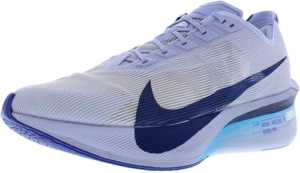
Star Rating: 4.6/5
This is your race-day tool. The Vaporfly 4 is built to save energy, stay light, and help you move fast over road miles from 5K to marathon.
The formula is familiar for Nike, but still effective. You get a full-length carbon-fiber Flyplate and ZoomX foam, and the updated plate angle is meant to drive you forward with each stride. Nike also trimmed the midsole a bit, which helps the shoe feel lighter and sharper without losing the springy feel racers want. TechRadar’s Vaporfly 4 overview gives helpful context on where this model fits in Nike’s race lineup.
The engineered mesh upper is thin and race-ready. That means less bulk and a snugger hold, but also less comfort for lazy miles. This is not your all-purpose trainer. It’s the pair you keep fresh for hard sessions and race day.
Plate: full-length carbon fiber Flyplate | Foam: ZoomX | Upper: engineered mesh | Best distance: 5K to marathon | Best use: racing and key workouts
Reasons to Buy
- Fast, efficient ride
- Light race build
- Strong energy return
- Locks in foot well
Reasons to Avoid
- Too specialized for daily use
- Thin upper feel
Who should buy it: If you’re chasing a PR, this is the right kind of shoe to save for your big effort. It fits you best when your main goal is road racing, not casual mileage.
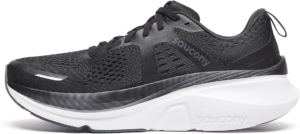
Star Rating: 4.5/5
The Saucony Guide 18 helps you stay centered without feeling stiff. That balance is why it works for runners who want support, but hate the old-school feel of bulky motion-control shoes.
Saucony’s CenterPath setup uses a wide base and raised sidewalls to guide your foot gently through the stride. In practice, that means the shoe feels more planted, especially once fatigue starts to show up. The PWRRUN foam keeps enough softness for daily use, but the platform stays controlled.
The engineered mesh upper breathes well and gives you a familiar fit, while the padded heel and tongue make the step-in feel friendly. You also get solid toe-box room, which matters more as your runs get longer. If you’re still figuring out whether support features suit your stride, RunRepeat’s stability shoe guide is a helpful cross-check.
One buyer noted that the fit felt true to size and supportive enough to skip the extra insoles they usually need.
Support system: CenterPath Technology | Midsole: PWRRUN foam | Upper: engineered mesh | Platform: wide base | Best use: daily stability miles
Reasons to Buy
- Stable without stiffness
- Wide, planted platform
- Good toe-box room
- Comfortable heel padding
Reasons to Avoid
- Less lively than neutral shoes
- Support may feel unnecessary for some
Who should buy it: This is a smart match if your feet drift side to side or if tired legs make your stride messy late in runs. It also suits beginners who want a little structure without the harsh feel of old stability shoes.
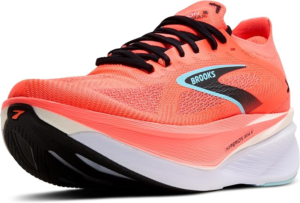
Star Rating: 4.4/5
The Hyperion Max 3 is for serious training days. It has more punch and more protection than a basic daily trainer, so you can stack long runs, hard efforts, and steady mileage without your legs feeling cooked.
The shoe uses Brooks DNA Gold foam, which is meant to be soft, light, and energetic. Underfoot, it gives the ride a lively feel without going unstable. Brooks also adds a SpeedVault plate in the midsole, plus a RapidRoll rocker shape, which helps the shoe move you smoothly from landing to toe-off.
The mesh upper stays light and breathable, but still holds your foot securely when pace picks up. Rubber in key outsole zones should also help it handle repeat training miles. This is a high-stack shoe, yet it stays balanced enough to trust on daily use.
Foam: DNA Gold | Plate: SpeedVault plate | Ride geometry: RapidRoll rocker | Upper: breathable mesh | Best use: long runs, workouts, marathon training
Reasons to Buy
- Strong long-run protection
- Lively training feel
- Smooth forward roll
- Secure upper hold
Reasons to Avoid
- More shoe than some need
- Likely overkill for casual jogs
Who should buy it: This pair makes the most sense if your training block has purpose. If you’re mixing long miles with workouts and want one trainer that keeps your legs fresher, the Hyperion Max 3 earns its spot.
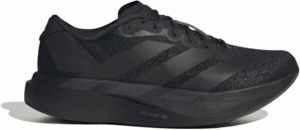
Star Rating: 4.2/5
If your week includes tempo runs, intervals, or short races, the Evo SL is the fun pick. It feels light fast, and uncomplicated, which is a nice break from plated shoes that can feel too bossy.
The headline feature is Lightstrike Pro foam, Adidas’ top-tier cushioning. That gives the shoe a soft, bouncy feel with real pop once you lift the pace. Unlike a full super shoe, this one skips the carbon plate. Instead, you get a smaller plastic stability piece, so the ride stays more natural and easier to live with.
The thin woven mesh upper keeps airflow high, though it also makes the shoe feel stripped down. Continental rubber on the outsole helps on wet roads, and Adidas keeps that layer thin to save weight. Since the Evo SL takes cues from a much pricier racing family, TechRadar’s Adizero Pro Evo 2 first look is useful for seeing the design direction behind it.
Foam: Lightstrike Pro | Plate: none, plastic stability piece | Upper: woven mesh | Outsole: Continental rubber | Best use: speedwork, tempo runs, short races
Reasons to Buy
- Fast, fun ride
- Premium foam feel
- Natural turnover
- Strong road grip
Reasons to Avoid
- Minimal upper feel
- Less support for easy days
Who should buy it: This is the pair to grab when you want your faster sessions to feel lighter and cleaner. It works best if you already have a softer daily trainer and want a second shoe for sharper efforts.
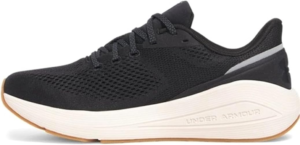
Star Rating: 4.0/5
The Sonic 7 proves you don’t need a premium price tag to get a useful daily runner. It keeps the formula simple, which is part of its appeal.
The triple jacquard upper feels light and breathable, and the 3D-molded sockliner gives the shoe a comfortable step-in feel right away. Underfoot, UA HOVR cushioning handles impact well and adds a little rebound, though this is not a max-cushion or speed-focused ride. Instead, it feels predictable, which many newer runners will appreciate.
With an 8 mm drop and a weight around 9.1 ounces, the Sonic 7 lands in a practical middle lane. The one-piece rubber outsole should also help it hold up to treadmill sessions and regular road miles. If you want a cheap shoe that still looks clean enough for casual wear, this one checks that box too.
Cushioning: UA HOVR | Drop: 8 mm | Weight: about 9.1 oz | Upper: triple jacquard | Best use: budget daily runs, treadmill, casual wear
Reasons to Buy
- Good value
- Comfortable step-in feel
- Durable rubber outsole
- Easy everyday design
Reasons to Avoid
- Less exciting ride
- Fewer advanced features
Who should buy it: This fits you best if you want a no-fuss daily trainer and you’re watching your budget. It also works well for newer runners who want comfort and durability before they start caring about advanced foam or race-day tech.
All Recommended Running Shoes in Comparison
This side-by-side view helps you narrow the field fast.
| Shoe | Best For | Cushion Feel | Support Level | Speed Feel |
|---|---|---|---|---|
| Hoka Mach 6 | One-shoe rotation | Balanced, light, springy | Neutral | High |
| Hoka Clifton 10 | Comfort and easy miles | Plush, steady | Neutral | Low to medium |
| Brooks Ghost 17 | Everyday value | Soft, controlled | Neutral | Medium |
| Nike Vaporfly 4 | Race day | Bouncy, aggressive | Neutral | Very high |
| Saucony Guide 18 | Guided daily runs | Soft, stable | Moderate stability | Medium |
| Brooks Hyperion Max 3 | Long-run training | Protective, energetic | Neutral | High |
| Adidas Adizero Evo SL | Speed sessions | Soft, lively | Light guidance | High |
| Under Armour Sonic 7 | Budget daily use | Moderate, predictable | Neutral | Medium |
The big split is simple. The Mach 6, Ghost 17, and Sonic 7 work best as daily options. The Clifton 10 and Guide 18 lean comfort and support. The Vaporfly 4 and Evo SL lean speed, while the Hyperion Max 3 sits in the middle as a stronger training shoe.
What to Look for in the Best Running Shoes
Fit comes before foam
The best foam in the world can’t fix a bad fit. Start with heel hold, midfoot security, and enough room in front for your toes to spread. You don’t want sliding in the heel, pressure on the top of the foot, or a toe box that feels cramped after 30 minutes. If you’re between sizes or often run into fit issues, the Brooks Ghost 17 stands out because of its wide and extra-wide options.
Match the cushion to your pace
Soft doesn’t always mean better. If most of your runs are easy and relaxed, a cushioned shoe like the Clifton 10 can keep things comfortable. If you want a quicker daily feel, the Mach 6 or Evo SL will make more sense. A helpful place to compare ride categories is Fleet Feet’s running shoe buyer’s guide, which breaks down how trainers differ by feel and purpose.
Pay attention to drop and geometry
Heel-to-toe drop changes how a shoe loads your calves and ankles. A lower drop, like the Mach 6’s 5 mm setup, can feel more natural to some runners. A slightly higher drop, like the Sonic 7’s 8 mm, often feels familiar and easy to adapt to. Rocker shapes matter too. A shoe like the Clifton 10 rolls you forward smoothly, while flatter-feeling shoes can feel more traditional.
Know whether you need stability
Not everyone needs a stability shoe. Still, if your foot drifts inward, or if your form breaks down late in runs, a little guidance can help. That’s where the Guide 18 earns its place. The goal is not heavy correction. The goal is a shoe that helps you stay centered without feeling awkward. If you also track form and fatigue, a fitness smartwatch for runners can help you spot patterns in pace, recovery, and workload.
Think about your rotation
One shoe can work, but two shoes often work better. A lot of runners do well with one daily trainer and one faster shoe. For example, the Ghost 17 plus Vaporfly 4 makes sense if you race. The Clifton 10 plus Evo SL makes sense if you want comfort on easy days and snap on workout days. Broader roundups, like Runner’s World’s 2026 running shoe list, are useful for comparing where each type fits.
Don’t ignore the rest of your gear
Shoes matter most, but they aren’t the whole setup. Good socks, useful tracking, and audio gear you can trust all make runs easier to stick with. If you’re building out a run kit, start with secure-fit audio gear for fitness and then build around the shoe that fits your pace and mileage.
Why Trust OASTHAR?
I’m Shashini Fernando, an associate editor who specializes in wearables, fitness tech, and workout audio. For guides like this, I test products in-house where possible, compare confirmed specs, and analyze hundreds of customer reviews from real users across major retailers, brand stores, and specialty shops.
That process helps you get a list built for real buying decisions, not brand hype. For the 2026 running shoe market, that means focusing on ride feel, fit, support, durability, and where each shoe makes sense in your week.
Best Running Shoes FAQs
What is the best running shoe overall?
The Hoka Mach 6 is the best overall pick here. It handles daily runs, faster efforts, and longer miles better than most one-shoe options.
What is the best cushioned running shoe?
The Hoka Clifton 10 is the most comfort-focused option on this list. It works well for easy runs, recovery days, and long hours on your feet.
Which running shoe is best for beginners?
The Brooks Ghost 17 is the easiest beginner recommendation for most people. It feels comfortable, stable enough for daily use, and comes in more width options than many rivals.
Which shoe is best for speed and racing?
The Nike Vaporfly 4 is the best pure racing option here. If you’re training for a PR and want a shoe saved for race day, this is the sharpest tool on the list.
Do you need a stability running shoe?
Only if your stride benefits from extra guidance. If your feet drift inward or your form gets sloppy when you’re tired, the Saucony Guide 18 is a good place to start.
Final Verdict
If you want one pair that can do nearly everything, pick the Hoka Mach 6. It gives you the best mix of comfort, pace, and daily usefulness.
If softness matters most, go with the Hoka Clifton 10. If value matters most, the Brooks Ghost 17 is the safest bet. For pure race-day speed, the Nike Vaporfly 4 is the premium choice, while the Under Armour Sonic 7 is the right budget play.
The smart move is simple. Pick the shoe that matches how you run most often, not the shoe with the flashiest foam name.