

Finding the best budget bass guitars in 2026 is easier than it used to be. That’s because the lower end of the market is now packed with basses that play well, sound serious, and hold up for practice, recording, and local gigs. If you shop smart, you can get a bass that feels far better than its price suggests.
Disclosure: As an independent reviewer, we may receive an affiliate commission on qualifying purchases made through our links. This helps support our research and testing team at OASTHAR. Learn more about our testing process.
The bigger surprise is how small the gap has become between cheap beginner gear and solid mid-range instruments. In many cases, the main trade-offs are simpler hardware, fewer premium extras, and finishes that aren’t quite as refined. The core stuff, neck feel, balance, tuning stability, and useful tone, is often very good.
This guide keeps the focus tight. You’ll get the seven standout picks for different needs, from classic passive thump to active modern punch, short-scale comfort, and five-string range. We also break down how these basses compare, what matters most before you buy, and which model fits your playing style best.
RELATED: The 7 Best Budget Acoustic Guitars for 2026, Tested and Reviewed
Best budget bass guitars at a glance
- Best Overall: Squier Classic Vibe 60s Precision Bass
- Best Budget: Squier Classic Vibe 70s Jazz Bass Active
- Best for Rock: Epiphone EB-3
- Best Short Scale: Gretsch G2220 Junior Jet Bass II
- Best 5-String: Sterling by Music Man StingRay RAY5
- Best Jazz Bass: Sire Marcus Miller V3P
- Best Modern Bass: Ibanez SR300E
Learn More About How We Test Bass Guitars
In our assessment, the best budget bass guitars have to do more than look good online. They need to feel right in your hands, hold tune, sound useful across real genres, and justify their price after long-term use.
Price and Customer Reviews
Price always matters in this category, but low price alone doesn’t make a bass a smart buy. We research major retail platforms and brand listings, then compare current US pricing to features, build, and long-term value. We also study large batches of customer reviews to see whether common praise and complaints match what the bass promises on paper.
Comfort and Ergonomics
A bass can sound great and still be wrong for you if it feels awkward. So we focus hard on neck shape, scale length, body balance, and weight. We also look for signs of neck dive, shoulder fatigue, and hand strain. That matters even more for beginners, because an uncomfortable bass can slow progress fast.
Build Quality and Hardware
Budget basses don’t need premium parts, but they do need dependable parts. We check tuners, bridges, fret finish, nut work,a control feel, and overall fit. We pay close attention to whether the instrument feels like a real tool instead of a starter toy. Clean fretwork and stable tuning are often what separate a good deal from a frustrating one.
Tone and Pickup Performance
A bass under $500 should still give you useful sounds, not just one dull setting. We compare passive versus active designs, pickup voicing, note definition, and how well each bass handles fingerstyle, pick playing, and basic slap. We also consider how easily the tone sits in a mix, because that matters at home and on stage.
Real-World Versatility
Some basses are narrow-purpose machines, while others cover nearly everything. We test how each model handles different styles, such as rock, pop, blues, worship, funk, and light metal. A strong all-rounder earns extra credit, especially in the budget tier. If one bass only shines in a small lane, that trade-off needs to be clear.
Upgrade Potential and Long-Term Value
During testing, we found that mod potential still matters in 2026. A good budget bass can become much better with pickup or hardware upgrades later. So we look at how easy it is to service, how common replacement parts are, and whether the bass gives you room to grow instead of forcing a quick upgrade.
Star Rating: 4.9/5
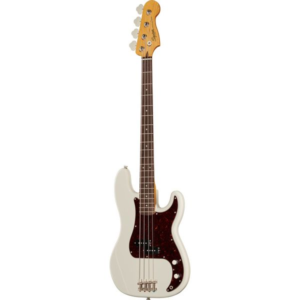
This is the easy top pick because it gets the basics right and then keeps winning from there. The Squier Classic Vibe 60s Precision Bass has the classic P-Bass formula, a comfortable neck, simple controls, and a tone that works in almost any band mix. If you want one bass that can cover years of playing, this is the one that makes the strongest case.
The big strength is balance. You get a passive split-coil sound with punch at the front of the note and warmth behind it. That makes it great for rock, pop, indie, country, worship, and old-school soul. It also stays simple. One pickup, one volume, one tone, and very little gets in your way. For a beginner, that’s a big plus. For an experienced player, it’s still enough.
Build quality is where this model punches above budget class. The neck shape feels familiar fast, and the overall fit tends to feel more expensive than the price suggests. Reviews across the market keep landing in the same place, and current roundups from GuitarPlayer’s under-$500 bass guide and broader Guitar World bass recommendations keep the Precision platform near the top for a reason. If you want a safe choice that still feels exciting, this is it.
Body: Poplar | Neck: Maple, bolt-on | Scale: 34-inch | Pickup: Fender-designed split single-coil | Electronics: Passive
Reasons to Buy
- Classic P-Bass growl
- Excellent neck feel
- Easy to dial in
- Great long-term value
- Strong upgrade platform
Reasons to Avoid
- Less tonal variety
- Wider feel than Jazz
- Plain control layout
Who should buy it: This suits you if you want one bass that can handle almost everything without fuss. It’s also a strong first bass because it teaches you solid fundamentals, yet it’s good enough to keep once your playing improves.
Star Rating: 4.7/5
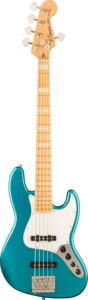
If the Precision is the safe all-rounder, this is the more flexible and more lively pick. The Squier Classic Vibe 70s Jazz Bass Active gives you the slimmer Jazz Bass neck feel, dual pickups, and onboard active shaping for a more modern edge. It’s fast, comfortable, and packed with usable sounds.
That narrow neck is the first thing many players notice. It makes fretting feel easier, especially if your hands are smaller or you move around the neck a lot. The active circuit also helps this bass cover more ground than a plain passive design. You can push the lows, clean up the highs, and get a sharper attack for slap, pick playing, and more aggressive tones.
There is a trade-off. It needs a battery, and not every player loves the active voice as much as a traditional passive Jazz Bass. A hands-on Guitar World review of the Active ’70s Jazz Bass points to that split clearly, great feel and styling, but a tone that depends a lot on the active section. Still, if flexibility matters more than pure vintage character, this is a very smart budget buy. You can also browse the wider Squier bass lineup if you want to compare the family look and layout.
Body: Poplar | Neck: Maple | Scale: 34-inch | Pickups: Dual single-coils | Electronics: Active preamp, battery-powered
Reasons to Buy
- Slim, fast neck
- More tonal control
- Strong modern voice
- Great value for features
Reasons to Avoid
- Needs battery power
- Not very vintage-sounding
- Active tone won’t suit all
Who should buy it: This fits you if you want more control from a low-cost bass and don’t want to feel boxed into one sound. It also makes sense if you come from guitar and prefer a faster, slimmer neck.
Star Rating: 4.5/5
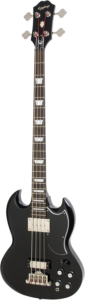
The EB-3 is the rowdy pick in this list, and that’s exactly why it earns a spot. It looks different, feels different, and sounds bigger and rougher than most budget basses in this range. If your playlist leans hard toward rock, garage, blues-rock, or older heavy tones, this one has real attitude.
Its all-mahogany recipe and dual-humbucker setup push it toward thicker, heavier low end. You don’t get the same clean, neutral voice as a Precision or Jazz. Instead, you get grit, mid weight, and a tone that wants to bark. That makes it especially fun with a pick, overdrive, and louder amps. It also has vintage appeal without demanding vintage-brand money.
There are limits. The shape and voicing won’t fit every style, and quality control can vary a little more than with the top Squier options. Still, when you want character over maximum versatility, the EB-3 delivers. In a field full of safe choices, this one feels like the rebel option that still makes practical sense.
Body: Mahogany | Neck: Mahogany, set neck | Scale: 34-inch | Pickups: Sidewinder humbucker plus mini humbucker | Electronics: Passive
Reasons to Buy
- Thick rock tone
- Cool vintage look
- Strong sustain
- Fun with a pick
Reasons to Avoid
- Less genre-flexible
- QC can vary
- Not for minimalists
Who should buy it: This works best if you want a bass with real personality and don’t need a clean do-everything machine. It’s a strong fit for rock players who care as much about feel and voice as raw value.
Star Rating: 4.6/5
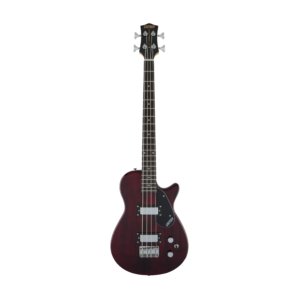
This is one of the easiest basses on the list to pick up and enjoy right away. The Gretsch G2220 Junior Jet Bass II has become a favorite because it keeps things simple, stays comfortable, and looks cooler than most basses in its price bracket. It feels approachable without feeling cheap.
The shorter scale changes the whole experience. Fretting takes less reach, string tension feels lower, and the instrument feels less bulky against your body. That makes it a smart fit for beginners, younger players, guitarists adding bass, or anyone who finds full-size basses tiring. It’s especially friendly for pick players because the response is quick and the instrument feels lively.
Its tone isn’t as huge or as broad as some full-scale options here, but it still covers a lot more than you’d expect. The neck pickup brings warmth, while the bridge side adds bite and clarity. The result is a bass that’s easy to record, fun to practice with, and practical for many home players. Among short-scale choices, it remains one of the best-value picks in 2026.
Body: Basswood | Neck: Maple | Scale: 30.3-inch short scale | Pickups: Dual mini bass single-coils | Electronics: Passive
Reasons to Buy
- Very easy to play
- Compact and comfortable
- Stylish retro design
- Great beginner fit
Reasons to Avoid
- Less low-end authority
- Limited compared to active basses
- Short scale isn’t for all
Who should buy it: This is a strong match if full-size basses feel too big or tiring. It also makes a lot of sense if you’re a guitarist who wants a bass that feels more familiar from day one.
Star Rating: 4.6/5
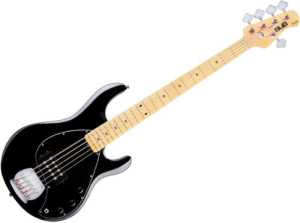
If you want extended range on a budget, this is the one to beat. The StingRay RAY5 brings the extra low B string, active electronics, and the StingRay-style punch that many players chase at much higher prices. It’s one of the clearest examples of a budget bass that doesn’t feel entry-level in function.
The main win is the low B. On cheaper 5-strings, that string can feel floppy or vague. Here, it tends to stay tighter and more usable, which matters if you play modern worship, heavier rock, pop gigs, or anything that needs that lower register. The active EQ also helps you shape the bass fast, whether you want clean punch, scooped slap tones, or mid-heavy growl.
This isn’t the lightest model around, and active electronics always mean battery upkeep. Still, the payoff is strong. For players who know they need five strings, the RAY5 gives you one of the best budget entry points on the market, with enough power and personality to stay interesting long after the beginner stage.
Body: Nyatoh | Neck: Maple | Scale: 34-inch | Pickup: Active humbucker | Electronics: 2-band active EQ
Reasons to Buy
- Great low-B response
- Punchy StingRay voice
- Useful active EQ
- Good stage-ready feel
Reasons to Avoid
- Heavier than some rivals
- Needs battery power
- Bigger neck feel
Who should buy it: This fits you if four strings already feels limiting, or if your music often drops below standard range. It’s also a solid first 5-string because it gives you the extra range without feeling flimsy.
Star Rating: 4.5/5
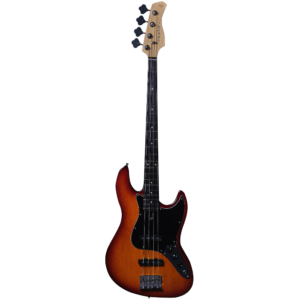
The V3P is the sleeper hit for players who want more polish than the price suggests. Sire has built a strong reputation by delivering features and feel that normally show up higher in the market, and this bass carries that value-first approach well. It’s one of the most interesting picks here if you want a Jazz-style bass with room to grow.
The appeal starts with feel. Sire basses are often praised for strong neck comfort and above-average finishing at modest prices. This model also leans into classic J-style clarity, with articulate highs, clear lows, and enough balance to cover many genres. It’s a good bass for players who want note detail, fingerstyle response, and a more open voice than a P-Bass usually gives.
Because exact trims and features can vary, this is one to check carefully before you buy. Still, Sire’s broader Jazz-style reputation is well established, and coverage from sources like Bass Gear Magazine’s look at Sire Jazz basses helps explain why the brand has become such a value favorite. If you want a bass that feels a step more refined than typical starter models, the V3P deserves a close look.
Body: Features vary by model | Neck: Maple | Scale: 34-inch | Pickups: J-style single-coils | Electronics: Passive layout on V3P variants, check current specs
Reasons to Buy
- Strong value for money
- Comfortable neck feel
- Clear Jazz-style tone
- Good fit and finish
Reasons to Avoid
- Specs can vary
- Setup may need tweaks
- Less common in stores
Who should buy it: This makes sense if you want classic Jazz Bass flavor but expect a little more refinement at the price. It’s also a smart choice if you plan to keep the same bass for years and maybe upgrade parts later.
Star Rating: 4.4/5
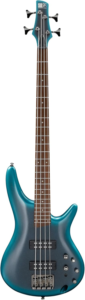
This is the most modern-feeling bass in the group, and it doesn’t try to hide it. The Ibanez SR300E has a very slim neck, active electronics, dual humbuckers, and styling that leans more current than classic. If vintage basses feel chunky or plain to you, this one goes in the other direction.
That neck is the headline feature. It’s thin, quick, and easy to move around on, which helps if you play fast lines, more technical parts, or longer sessions. The active 3-band EQ adds a lot of control, while the pickup system gives you a wide spread of tones. So this bass can move between cleaner fingerstyle, brighter slap, and more aggressive pick-driven sounds without much trouble.
There is a price to that flexibility. Some players prefer the organic simplicity of passive basses, and others may find the overall feel less substantial than a traditional Fender-style instrument. Still, if you want a bass that feels light, easy, and versatile, the SR300E remains one of the strongest options in its class. You can also check the broader Ibanez official lineup if you want a sense of where the SR series sits in the brand’s range.
Body: Nyatoh | Neck: 5-piece maple/walnut | Scale: 34-inch | Pickups: Dual PowerSpan humbuckers | Electronics: Active 3-band EQ
Reasons to Buy
- Very slim neck
- Light, comfortable body
- Strong tonal range
- Good for modern styles
Reasons to Avoid
- Active-only approach
- Looks won’t suit all
- Can feel less traditional
Who should buy it: This works best if you want speed, comfort, and more onboard shaping than classic basses usually offer. It’s a very good fit for players who cross genres and don’t want a vintage-only voice.
All Recommended Products in Comparison
| Product | Best For | Scale Length | Electronics | Main Strength |
|---|---|---|---|---|
| Squier Classic Vibe 60s Precision Bass | Most players | 34-inch | Passive | Best all-round sound and value |
| Squier Classic Vibe 70s Jazz Bass Active | Budget flexibility | 34-inch | Active | Slim neck and wider tone shaping |
| Epiphone EB-3 | Rock tones | 34-inch | Passive | Thick, aggressive vintage voice |
| Gretsch G2220 Junior Jet Bass II | Easy playability | 30.3-inch | Passive | Short-scale comfort and fun feel |
| Sterling by Music Man StingRay RAY5 | Extended range | 34-inch | Active | Strong low B and modern punch |
| Sire Marcus Miller V3P | Jazz-style clarity | 34-inch | Varies by version | Refined feel and strong value |
| Ibanez SR300E | Modern versatility | 34-inch | Active | Fast neck and wide tonal range |
What to Look for in a Budget Bass Guitar
Scale Length and Size
Start with comfort, because that changes everything. Full-scale basses, usually 34 inches, give you the standard feel and deeper string tension most players expect. Short-scale basses are easier to hold, easier to fret, and often friendlier for smaller hands. That’s why models like the Gretsch can feel immediately more inviting.
Neck Shape and Playability
Not all bass necks feel alike. Precision-style necks usually feel a bit fuller, while Jazz-style necks often feel slimmer and faster. Ibanez goes even thinner than that. If you want easy movement, a slim neck can help. If you want a more planted, traditional grip, a chunkier neck may feel better.
Pickup Type and Tone
Pickups shape a lot of your sound. A split-coil Precision pickup usually gives you strong, punchy basics. Jazz pickups bring more clarity and a little more edge. Humbuckers often sound thicker and quieter in terms of noise. If you want more detail on how budget models stack up across styles, MusicRadar’s budget bass roundup is a useful outside reference.
Active vs Passive Electronics
Passive basses are simpler. They don’t need batteries, and many players prefer their direct, organic tone. Active basses give you more control and output, but they add one more thing to manage. If you like simple and reliable, passive makes sense. If you want extra shaping at the bass itself, active can be worth it.
Build Quality and Hardware
Even at a low price, bad fretwork and weak tuners can ruin the experience. Look for stable tuning, smooth fret edges, and controls that feel solid. In this price range, quality is much better than it used to be, but consistency still varies by model and by individual unit.
Weight and Balance
Bass is a physical instrument. A body that feels too heavy or a neck that dives can wear you down fast. Therefore, comfort isn’t a side detail. It’s one of the main reasons some basses stay in your hands while others end up in the corner.
Upgrade Potential
Some of the best budget bass guitars stay relevant because they respond well to upgrades. A better set of tuners, pickups, or electronics can take a solid cheap bass much further. Fender-style designs usually make this easier because replacement parts are common and widely supported.
Why Trust OASTHAR?
I’m Shashini Fernando, an associate editor who specializes in consumer tech, personal audio, and product comparison guides, along with adjacent gear categories where real-world testing and value matter most. For this list, each bass is judged with the same practical approach used across OASTHAR buying guides.
That means in-house evaluation standards, feature-by-feature comparison, and deep review analysis from real users across the current bass guitar market. We don’t stop at spec sheets. We compare comfort, tone options, build quality, long-term value, and owner feedback to narrow the list to the best products people can buy in 2026.
Best Budget Bass Guitars FAQs
What is the best budget bass guitar overall?
The best overall pick is the Squier Classic Vibe 60s Precision Bass. It offers the strongest mix of tone, comfort, reliability, and long-term value.
Is a budget bass good enough for gigs?
Yes. Many budget basses in 2026 are good enough for rehearsals, recording, church gigs, and local shows. A solid setup and a decent amp matter a lot.
Should you get a 4-string or 5-string bass?
A 4-string is the easier and more common choice for most players. A 5-string makes more sense if your music needs extra low range.
Are short-scale bass guitars only for beginners?
No. Short-scale basses are popular with beginners, but many experienced players like them for comfort, feel, and punchy response.
Is active or passive better on a cheap bass?
Neither is always better. Passive works well if you want simplicity and classic tone. Active is better if you want more onboard control and stronger output.
Final Verdict
If you want the safest and strongest pick, go with the Squier Classic Vibe 60s Precision Bass. It’s the most complete bass here, and it fits the widest range of players.
If your budget is tight but you still want flexibility, the Squier Classic Vibe 70s Jazz Bass Active gives you more tonal control and a faster neck. For rock-first tone, the Epiphone EB-3 has the most attitude. If comfort comes first, the Gretsch G2220 Junior Jet Bass II is the easiest bass here to live with.
Need five strings and modern punch, pick the Sterling by Music Man StingRay RAY5. Want Jazz-style clarity with strong value, look at the Sire Marcus Miller V3P. If your taste leans modern and fast, the Ibanez SR300E is the best fit.
For most buyers, though, the answer stays simple. The Precision-style Squier is still the one to beat in 2026.