

The best budget android phones in 2026 aren’t just “good for the money” anymore. At the right price, you can get fast screens, solid cameras, long update support, and battery life that doesn’t make you babysit a charger.
Disclosure: As an independent reviewer, we may receive an affiliate commission on qualifying purchases made through our links. This helps support our research and testing team at OASTHAR. Learn more about our testing process.
What’s changed is the value map. There’s a real sweet spot around the low-cost tier (great basics, a few compromises), and another around the under-$500 tier (better cameras, longer support, fewer annoyances). That lines up with what major review outlets keep seeing in their testing, including CNET’s budget phone price sweet spots.
Below, you’ll get seven picks that cover the main “budget buyer” needs, with clear trade-offs so you don’t end up paying for features you won’t use.
RELATED: The 7 Best Motorcycle Dash Cams for 2026, Tested and Reviewd
Best budget android phones at a glance
- Best Overall: Google Pixel 10a
- Best Value: Nothing Phone 3a
- Best for Longevity: Samsung Galaxy A16 5G
- Best for Battery Life: Motorola Moto G Power (2026)
- Best for Camera: Samsung Galaxy A25 5G
- Best Under $200: Motorola Moto G 2026
- Best Galaxy Phone: Samsung Galaxy A56
If you want more context on the wider budget field, you’ll see similar themes in roundups like Engadget’s budget Android phone picks and Tom’s Guide cheap phone testing.
Learn more about how we test budget Android phones
In our assessment, a “budget” phone only counts if it holds up in real life, not just on a spec sheet. During testing, we found the biggest gaps show up in camera consistency, update policies, and outdoor screen use.
Price and Customer Reviews
First, you start with price reality, not launch hype. We research major shopping platforms like Amazon, Walmart, Target, and Currys to see where phones actually land week to week. Then you balance that against hundreds of customer reviews, because recurring complaints (weak GPS, overheating, bad radios) matter more than a single flashy feature.
Display and Outdoor Use
A bright, stable screen changes everything. We check refresh rate smoothness, touch response, and how readable the phone stays in sunlight. Budget phones often look fine indoors, then fall apart outside. We also watch for screen dimming under heat, because that’s when navigation and camera framing get annoying fast.
Performance and Day-to-Day Speed
Benchmarks help, but daily use tells the truth. We test app launch speed, switching between apps, photo processing time, and whether the phone keeps up after installing updates. On cheaper chips, you’ll often see lag spikes in camera mode and heavier apps first.
Camera Results in Mixed Light
You don’t just test one “pretty” scene. We shoot indoors, outdoors, portraits, motion, and low light. Budget phones can look great in daylight, then smear details at night or struggle with skin tones. We also look at shutter speed, because slow capture ruins kid and pet photos.
Battery Life and Charging
You measure battery two ways: long steady drain (browsing, video, navigation), and “real day” use with brightness changes and camera bursts. We also check charging speed, plus the little stuff like standby drain. A phone that lasts long but charges painfully slow still creates friction.
Software Support and Update Policy
Updates are part of the price. We verify what the brand promises for OS upgrades and security patches, then compare that to the phone’s likely lifespan. Phones with longer support usually keep resale value better and stay safer longer, especially for banking and payments.

Rating: 5.0 out of 5
Google’s superpower is simple: it makes the “cheap” phone feel like the smart phone. The Pixel 10a nails the parts you notice daily, camera consistency, clean software, and long-term support, then backs it up with performance that stays smooth even after you load it up with apps.
You also get a strong under-$500 core. The base model sits at $499, and you’re not stuck with barebones hardware. It runs a 120Hz pOLED display, and it pairs a Tensor G4 chip with 8GB of RAM. That combo usually means fewer stutters in navigation, camera processing, and multitasking than you’ll see on bargain chips.
The best part is longevity. The Pixel 10a ships with Android 16 and includes a long update commitment (7 years for OS and security). That matters because a budget phone that stays current is a budget phone you can keep. For deeper third-party impressions, you can compare notes with WIRED’s Pixel 10a review.
Price: $499 (base) | Display: 6.3-inch pOLED, 120Hz | Chip: Tensor G4 | Battery: 5100mAh | Updates: 7 years
Reasons to Buy
- Reliable main camera
- Long update support
- Smooth 120Hz screen
- Solid battery stamina
Reasons to Avoid
- Storage isn’t expandable
- 256GB costs more
Who should buy it: You want one budget Android that feels balanced. It fits if you care about camera results, clean software, and keeping the same phone for years without it feeling “old” too fast.
Rating: 4.7 out of 5
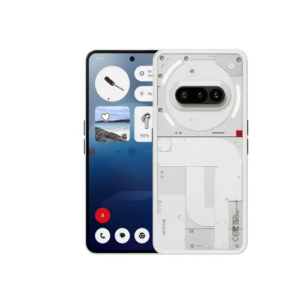
Nothing’s superpower is giving you “midrange plus” vibes at a price that still feels like a deal. The Phone 3a stands out because it doesn’t just chase one spec. It aims for a strong display, a big storage tier, and a camera setup that’s more ambitious than you usually get under $400.
The headline is the camera mix. You get a main camera, an ultrawide, and a dedicated telephoto lens with optical zoom, which is rare at this price. That means you’re not forced to crop everything for distance shots, and portraits tend to look more natural than digital zoom tricks.
You also get a generous memory setup for the class. A configuration with 12GB RAM and 256GB storage helps the phone stay snappy and spacious for photos, offline playlists, and bigger apps. If you want another angle on the design and day-to-day experience, see PCMag’s Nothing Phone (3a) review.
Display: 6.7-inch, 2392 x 1080 | Chip: Snapdragon 7s Gen 3 | RAM/Storage: 12GB/256GB | Telephoto: 2x optical | Battery: long-lasting with fast charging
Reasons to Buy
- Telephoto lens under $400
- Big storage for the money
- Bright, colorful screen
- Distinctive design
Reasons to Avoid
- Availability can be limited
- Not the simplest software vibe
Who should buy it: You want the most hardware for the least cash. It fits if you take lots of photos, store lots of media, and like a phone that feels different from the usual slab.
Rating: 4.5 out of 5
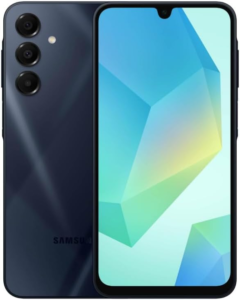
Samsung’s superpower here is time. The Galaxy A16 5G isn’t trying to beat the Pixel on camera tricks or the Nothing on “wow” factor. It’s built to stay safe, usable, and supported longer than most phones in its price band.
You also get practical hardware choices that matter on a low-cost device. A microSD slot gives you cheap storage expansion, and the screen is large enough for comfortable reading and streaming. It also runs Samsung’s One UI, which tends to offer more built-in tools than many budget Android skins, especially for multitasking.
The big reason it makes this list is the support window. This model has been positioned with a long update promise for its class, including multiple OS updates and years of security patches. That’s the difference between a “two-year phone” and a phone that can stay in your pocket for the long run. For broader context on how Samsung fits into the best Android options overall, see Trusted Reviews best Android phone rankings.
Display: 6.7-inch class | Refresh rate: 90Hz | Storage: microSD supported | Durability: splash resistance (varies by region) | Support: long security window
Reasons to Buy
- Long support window
- microSD expansion
- Big screen for media
- Familiar Samsung software
Reasons to Avoid
- Plastic build feel
- Not the fastest in gaming
Who should buy it: You keep phones for a long time and hate surprise upgrade pressure. It fits if you want a simple daily driver that stays supported longer than most budget Android phones.
Rating: 4.4 out of 5
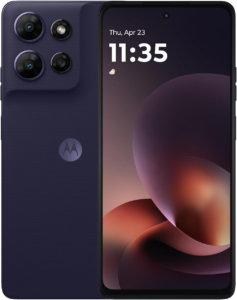
Motorola’s superpower is endurance. The Moto G Power (2026) targets people who want to unplug mentally and physically, because the whole point is fewer charging emergencies and fewer low-battery warnings mid-day.
In testing coverage from major phone roundups, this generation keeps the “Power” identity alive with long run time, plus a modern enough feature set that you can still enjoy it. You’ll also see budget-friendly choices that keep costs down, which is why you need to accept a few compromises in raw speed and screen brightness compared with pricier phones.
Specs vary by carrier and region, so you should treat details carefully. For confirmed spec references, Motorola publishes a dedicated listing for this model, including storage and feature callouts, on Motorola’s Moto G Power (2026) spec page. That’s the cleanest source when retailer listings get messy.
Software: Android 16 | Storage: 128GB (common config) | Expandable: microSD support (model-dependent) | Camera modes: includes Night Vision (varies) | Focus: long battery life
Reasons to Buy
- Multi-day battery style
- Expandable storage options
- Big screen for streaming
- Clean Motorola UI feel
Reasons to Avoid
- Display can be dim outside
- Performance is mid-pack
Who should buy it: Your days run long and outlets aren’t always nearby. It fits if you stream, scroll, and navigate a lot, and you’d rather trade some speed for real battery comfort.
Rating: 4.2 out of 5
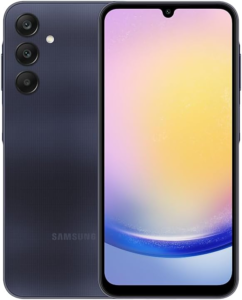
The Galaxy A25 5G’s superpower is camera confidence for the price. Budget phones can shoot a nice daylight photo, then fall apart the second lighting gets tricky. This Samsung tends to be more consistent than many low-cost rivals, especially for casual portraits and everyday scenes.
You also get a well-rounded “old-school practical” setup that’s getting rarer. Many versions include a headphone jack and microSD expansion, which keeps it friendly for wired audio fans and people who don’t want to pay extra for cloud storage. Add in a vibrant OLED-style look (common for this tier), and it’s easy to enjoy for media.
Support matters too. Samsung’s update policies in the A-series have generally been stronger than most budget Android brands. For a wider look at how reviewers categorize cheap phones and where Samsung models tend to land, compare with Trusted Reviews cheap phone guide.
Cameras: multi-lens rear (typical) | Storage: microSD support (common) | Audio: headphone jack (model-dependent) | Battery: long-lasting in class | Software: One UI on Android
Reasons to Buy
- Strong photos for the price
- OLED-style screen look
- Useful legacy features
- Solid daily performance
Reasons to Avoid
- No wireless charging
- Not built for heavy gaming
Who should buy it: Your camera is your main feature, but you still want to stay on a budget. It fits if you take lots of family photos, food shots, and day-to-day pics and want steady results without paying flagship prices.
Rating: 4.1 out of 5
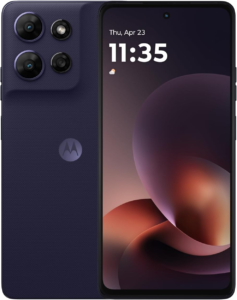
The Moto G (2026) superpower is simple: it makes the ultra-cheap tier feel less punishing. It’s built for the basics, messaging, maps, browsing, and streaming, but it still tries to feel modern with a big screen and a battery that goes and goes.
Battery life is the reason people buy this class of phone, and this model leans into that identity. The trade-offs are predictable, though. Performance is meant for normal daily tasks, not heavy games, and the screen can look dim outdoors compared to more expensive options.
If you want to verify current configurations, Motorola maintains an official product page (which can vary by SKU). Start with Motorola’s Moto G (2026) listing so you’re not relying on outdated retailer bullet points.
Display: 6.7-inch class, 720p-style resolution | Chip: Dimensity 6300 | RAM: 4GB | Storage: 128GB | Battery: built for long life
Reasons to Buy
- Very low price tier
- Great battery life
- Modern-looking design
- Decent main camera
Reasons to Avoid
- Slower performance
- Dimmer screen outside
Who should buy it: You want the cheapest phone that still feels like a smartphone. It fits if you mostly use social apps, calls, texts, and video, and you care more about battery than speed.
Rating: 3.9 out of 5
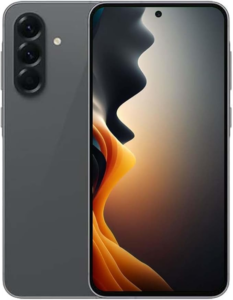
The Galaxy A56 superpower is giving you the “Samsung feel” without flagship pricing. You get a big AMOLED-style display, a familiar One UI experience, and a camera system that’s built for everyday flexibility. It’s also positioned to keep a low-ish price compared with premium Galaxy models.
This phone also leans into practical AI-style tools that help with photos and search. You’ll see features like object cleanup and smarter photo selection, depending on region and software version. It’s not the full flagship suite, but it’s the kind of upgrade that helps a midrange phone feel newer.
Performance is where you should keep expectations in check. The A56 aims for balance, but it won’t outmuscle the best chips in pricier phones. For a detailed third-party breakdown of the trade-offs, compare with Tom’s Guide Galaxy A56 review.
Display: 6.7-inch AMOLED | Chip: Exynos 1580 | RAM: 8GB | Storage: 256GB (common config) | Cameras: 50MP main + ultrawide + macro
Reasons to Buy
- Big AMOLED display
- Strong storage tier
- Familiar Galaxy software
- Useful photo tools
Reasons to Avoid
- Performance isn’t class-leading
- Some features vary by region
Who should buy it: You want a Galaxy that feels modern and roomy. It fits if you like Samsung’s software and screen style, and you’d rather stay in the A-series price range than jump to an S-series phone.
All recommended phones in comparison
Here’s the fastest way to see which phone matches your priorities.
| Phone | Performance feel | Camera strength | Battery strength | Software support outlook |
|---|---|---|---|---|
| Google Pixel 10a | Smooth, “premium for $499” | Best overall consistency | Strong | Best in class (long) |
| Nothing Phone 3a | Fast for the price | Versatile (includes telephoto) | Strong | Good, but varies by brand policy |
| Samsung Galaxy A16 5G | Solid basics | Better than expected for tier | Solid | Very strong for budget |
| Moto G Power (2026) | Mid-pack | Good in bright light | Best for long days | Usually shorter than Pixel/Samsung |
| Samsung Galaxy A25 5G | Solid | Best “budget Samsung” camera value | Strong | Strong for budget |
| Moto G 2026 | Basic | Daylight-friendly | Excellent | Typically shorter |
| Samsung Galaxy A56 | Solid, not top-tier | Flexible, well-rounded | Strong | Strong (region dependent) |
If you want a broader view of Android performance tiers outside the budget bracket, you can sanity-check the “what’s fast right now” lists like PCMag’s best Android phones testing roundup.
What to look for in a budget Android phone
Price bands that actually make sense
Budget doesn’t mean one price. In 2026, the best value tends to cluster in two areas: very cheap phones that cover the basics, and under-$500 phones that feel close to premium in the ways you notice daily. If you’ve seen the same pattern in big reviews, that’s because it’s real market behavior, not marketing.
Update policy
Two phones can cost the same and still be totally different long-term buys. A longer support window means safer banking apps, better resale, and fewer “my phone stopped working with this app” headaches. Pixels and Samsung A-series models often lead here, while many budget models from other brands cut support short.
Display brightness matters more than you think
Refresh rate sells phones, but brightness keeps you happy. A 120Hz screen that’s hard to see outside still feels like a downgrade. If you use maps, take photos outdoors, or scroll on breaks outside, prioritize a phone with strong outdoor readability.
Camera consistency beats camera count
Extra lenses don’t guarantee better photos. Many budget phones include a macro camera that’s mostly filler. Instead, focus on a reliable main camera, decent portrait handling, and clean indoor shots. That’s why phones like the Pixel 10a and camera-strong Galaxy A models rank well.
Battery is about lifestyle, not just size
Big batteries help, but software efficiency and screen behavior matter too. If you’re always away from power, a “Power” style phone can be a better fit than a camera-first phone. On the other hand, if you charge every night anyway, you might prefer a better camera over maximum endurance.
Storage and expansion can save you money
Budget phones often tempt you with low base storage. If the phone has microSD, you can keep costs down for photos and offline content. If it doesn’t, aim for a storage tier that won’t fill up fast, especially if you shoot lots of video.
NFC and payments are no longer “premium”
Contactless payments are normal in the US now. If you use Google Wallet, check for NFC. Many budget phones include it now, but not all, and it’s the kind of omission that becomes annoying once you’re used to tapping to pay.
Gaming and sustained performance
If you play heavy games, you want stable performance over time, not just a chip name. Cooling design, screen brightness under heat, and touch response matter. If gaming is a big priority, you might also like our internal coverage of a performance-first phone, the RedMagic 11 Air review 2026.
Why Trust OASTHAR?
I’m Shashini Fernando, an associate editor who specializes in consumer tech, including smartphones, earbuds, and wearables. You’re getting a list built from in-house testing habits plus wide research, because I test each product category the same way every year.
You also benefit from scale. Along with hands-on time, we analyze hundreds of customer reviews from real users across major retailers to catch repeat issues and long-term patterns. That mix helps you avoid phones that look great on paper but frustrate people after a few weeks.
If you want to cross-check how major labs approach testing value tech, you can compare with pages like PCMag’s tested budget buys methodology.
Best Budget Android Phone FAQs
What is the best budget Android phone overall?
The Google Pixel 10a is the best overall pick because it combines smooth performance, consistent cameras, and one of the longest update commitments you can get in a budget phone.
What’s the best budget Android phone for battery life?
The Motorola Moto G Power (2026) is the strongest battery-first choice in this list, built for long days and fewer charging worries.
What’s the best budget Android phone under $200?
The Motorola Moto G 2026 is the best under-$200 pick here because it focuses on the basics, big battery life, and a modern feel for the price.
Which budget Android phone takes the best photos?
The Pixel 10a is the most consistent camera phone overall, while the Samsung Galaxy A25 5G is a strong “camera value” pick if you prefer Samsung’s style.
Is a $499 phone still “budget” in 2026?
Yes, because flagship phones often push well past $1,000 now. The under-$500 tier is where you usually get the best balance of features and long-term support.
Final Verdict
If you want one easy answer, pick the Google Pixel 10a. It’s the cleanest mix of camera quality, daily speed, and long support.
If you want the most hardware for the money, the Nothing Phone 3a is the best value play, especially if telephoto photos matter to you. If you care most about keeping a phone for years, the Samsung Galaxy A16 5G is the longevity pick. For battery-first buyers, the Moto G Power (2026) is the comfort choice, while the Moto G 2026 covers the ultra-low budget tier without feeling ancient. Finally, if you want a budget Galaxy that still feels roomy and modern, the Galaxy A56 is the best “Galaxy experience” pick on this list.