

Are the AirPods Max 2 finally worth the wait, or did Apple just repaint the same old problem? You get a mixed answer, and that’s the honest one.
Apple did give you real upgrades this time, not just a new cable and a fresh box. This review walks through design, comfort, sound, ANC, calls, features, battery life, price, and who should actually buy them, so you can figure out if the $549 ask makes sense for you.
Apple also laid out the big changes in its official AirPods Max 2 announcement, which lines up with what you’ll read below.
RELATED: JBL Quantum 950X Review (2026): Best What You Get for $399?
Quick Summary
The AirPods Max 2 keep the same premium aluminum-and-mesh look, but the inside story is better than the outside would suggest. You get the H2 chip, stronger ANC, cleaner sound tuning, and a bigger pile of Apple-only features than before. That’s the part that matters.
What doesn’t change is almost as important. These are still heavy, still expensive, and still built around Apple’s ecosystem. If you use an iPhone, iPad, and Mac, they make more sense than they do for everyone else.
The short version: Apple fixed enough to matter, but not enough to make these easy to recommend to everybody.
If you own the original AirPods Max, this is a real upgrade. If you’re shopping outside Apple’s world, the value gets a lot shakier.
Specifications
Here’s the quick scan version before you get into the weeds.
| Spec | AirPods Max 2 |
|---|---|
| Price | $549 |
| Release timing | March 2026, with availability starting early April |
| Chip | Apple H2 |
| Wireless | Bluetooth 5.3 |
| Battery life | Up to 20 hours with ANC on |
| Charging port | USB-C |
| Weight | About 386 g |
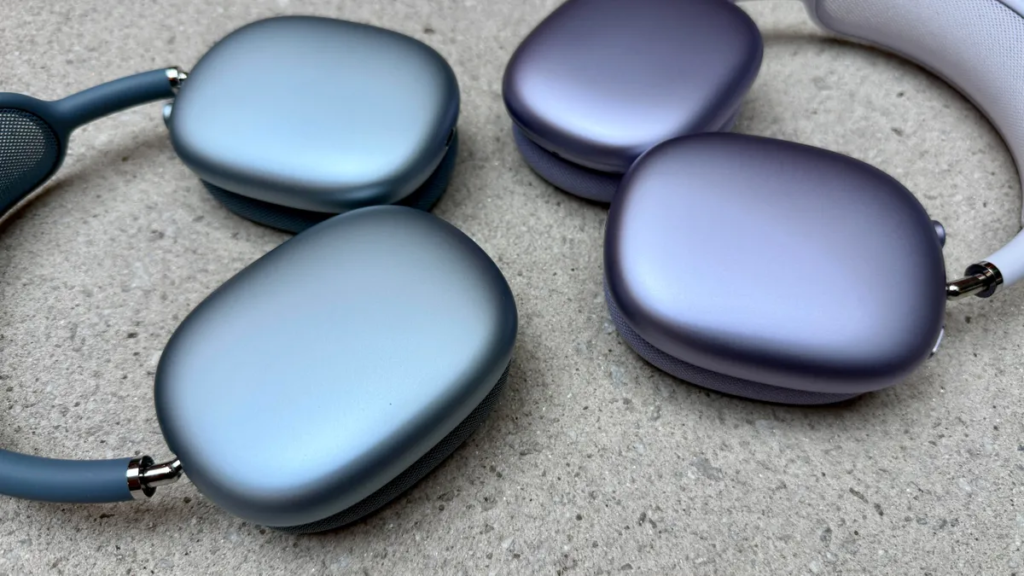
| Color options | Midnight, Starlight, Orange, Purple, Blue |
| ANC features | Improved noise canceling, Adaptive Audio, Transparency Mode, Conversation Awareness |
| Key Apple features | Live Translation, Personalized Volume, Voice Isolation, head gestures, personalized spatial audio, USB-C lossless audio |
Apple’s release timing update makes one thing clear, this was a long time coming.
The takeaway here is simple. You’re paying flagship money for a flagship feature set, but not for a wholesale redesign.
Design, Comfort & Build Quality
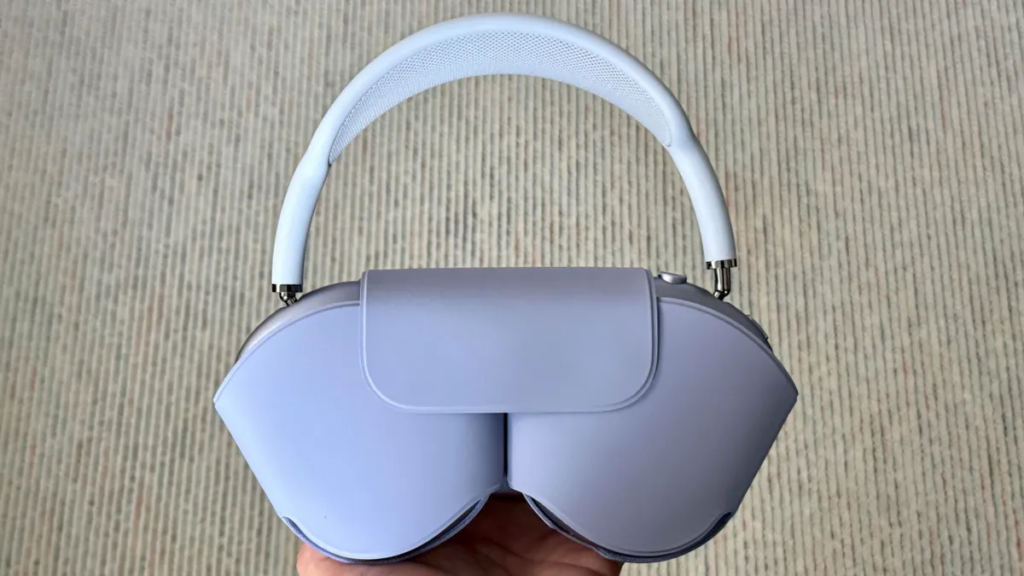
If you’ve seen the original AirPods Max, you already know the shape of the story here. The AirPods Max 2 use the same aluminum ear cups, the same metal frame, the same mesh headband Apple calls the canopy, and the same magnetic ear cushions. Even the smart case is still the same odd little shell that protects less than you’d want at this price.
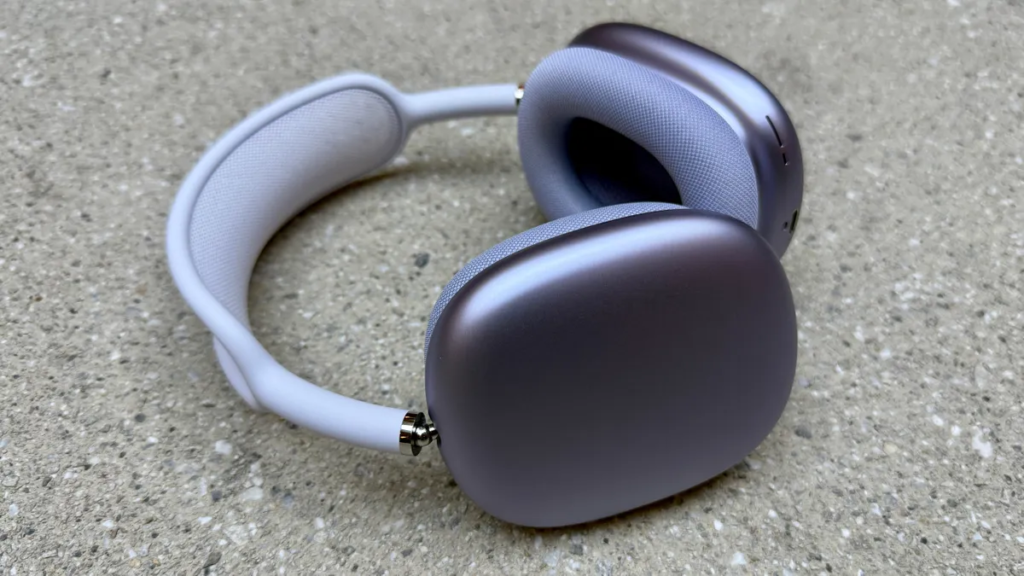
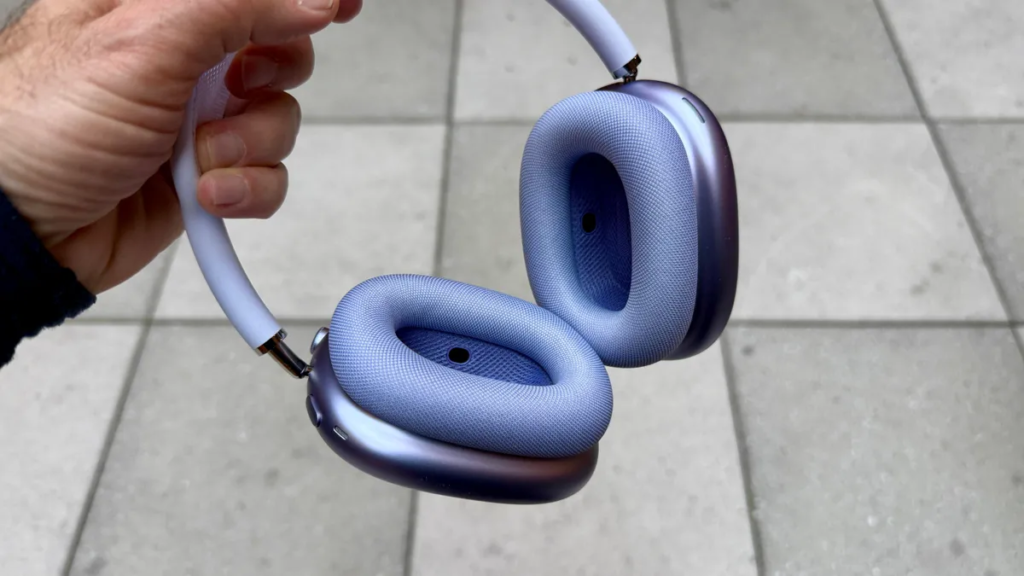
The build still feels premium in the hand. Nothing creaks, nothing flexes, and the magnets for the ear pads are still one of the cleaner bits of Apple hardware design. The pads are removable and replaceable too, which is the sort of practical detail you appreciate after a few months, not just in a first look photo.
The problem is weight. At about 386 grams, these are still heavy headphones. You feel that on your head, especially if you wear them for long stretches. The clamp is also firm. For some people, that helps with stability and seal. For others, it becomes a slow burn of pressure across the jaw and crown.
They are not workout headphones. They are not wet-weather headphones. There’s no IP rating, so you should treat them like expensive living-room gear with a battery, not gym kit.
Sound Quality
The AirPods Max 2 sound like Apple took the original tuning and tightened the screws a little. The overall balance is still familiar, with bass that leans present, mids that stay clean, and treble that avoids sharp edges. But compared with the first version, the new pair sounds more controlled and a bit more polished.
Bass is the biggest upgrade you hear first. It hits harder, but it also stays tighter. That matters on tracks with busy low end, because the Max 2 separate the thump from the rest of the mix more cleanly. Mids are more defined too, so vocals and instruments sit in clearer lanes. Highs stay smooth and more natural, without getting brittle.
In plain terms, the Max 2 are easier to listen to for long sessions. You don’t get that sense of the sound smearing together when a song gets dense. The separation is better, and it helps spatial audio feel more convincing.
USB-C wired listening adds a small bump in clarity and depth, and the headphones support 24-bit, 48 kHz lossless audio over USB-C. There’s still no manual EQ, so Apple keeps control of the tuning on its side. If you want to tweak the sound yourself, that’s not this product’s personality.
ANC & Transparency Mode
Apple says the AirPods Max 2 offer 1.5x better noise canceling, and you should treat that number with a little caution. It’s not magic. It’s a meaningful step forward.
What you notice in real use is better damping of everyday noise, especially voices, traffic, and low rumbles. Train hum, HVAC noise, and plane-like background noise get pushed back more effectively than before. The change is most obvious in the midrange, which is where a lot of annoying real-world noise lives.
Transparency Mode is the other headline here, and it’s excellent. It sounds open and natural, not thin or processed. When you switch from listening to talking, the outside world comes through in a way that feels easy to trust. That’s one of the reasons the AirPods Max line has always been so easy to live with.
Adaptive Audio is useful too. It changes the balance between ANC and transparency depending on what’s around you, which makes these easier to wear while moving through noisy spaces. You don’t have to babysit the settings all day.
Mic & Call Quality
The microphones do a solid job for calls, video chats, and quick voice notes. Voice Isolation helps a lot when the space around you is messy. It trims background noise and keeps your voice in front.
In quieter rooms, the call quality is strong. People on the other end should hear you clearly, and that’s the baseline you want from a $549 headset. In louder places, the voice can still shift a little in tone, especially when the environment changes mid-call. It’s not a disaster, but it isn’t perfect either.
For Apple users, the bigger win is how well the headphones fit into FaceTime and everyday iPhone calling. If you record content, the cleaner captured audio is a nice bonus too. Apple also leans into studio-style voice recording, which will matter more to creators than casual buyers.
Features
The H2 chip is doing a lot of the heavy lifting here. It unlocks the features that make the AirPods Max 2 feel current instead of dusty. Adaptive Audio, Conversation Awareness, Personalized Volume, Voice Isolation, and Live Translation are the big ones.
Some of these are genuinely useful. Conversation Awareness is the kind of thing you use once and then keep using, because it makes real life easier. Head gestures for calls and notifications are fun too, even if they feel a little niche at first. Live Translation is the flashy one, but it’s also the least polished-feeling in practice, since real-time translation still introduces a delay.
Personalized spatial audio also matters if you watch movies or listen on Apple Music. It gives you that more locked-in, room-filling feel Apple is chasing. USB-C lossless audio is another real plus, but only if you care about wired playback.
Android users should be careful here. You can use them as Bluetooth headphones, but you lose a lot of the Apple-only goodness. The hardware is premium. The software party is mostly on Apple’s side.
Connectivity & Controls
The move to Bluetooth 5.3 is welcome, even if it doesn’t sound exciting on paper. It should help with range and stability, and it’s a cleaner fit for 2026 than Bluetooth 5.0 was on the original model.
USB-C is the other important change. It gives you a simpler charging setup and unlocks wired lossless audio when you use Apple’s cable. The catch is that codec support is still limited. You get SBC and AAC, but not LDAC or aptX. That’s where rival headphones can still look more flexible.
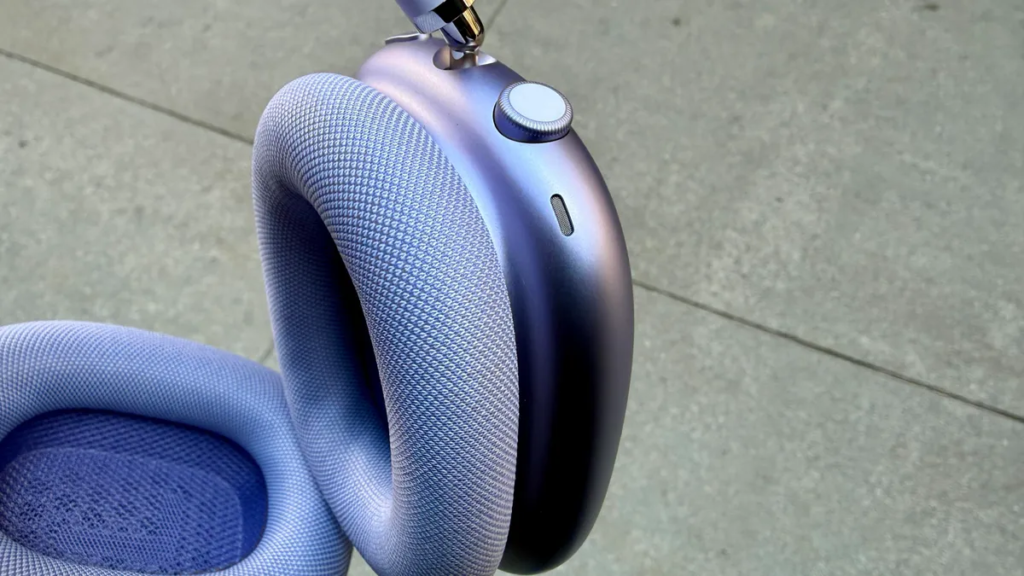
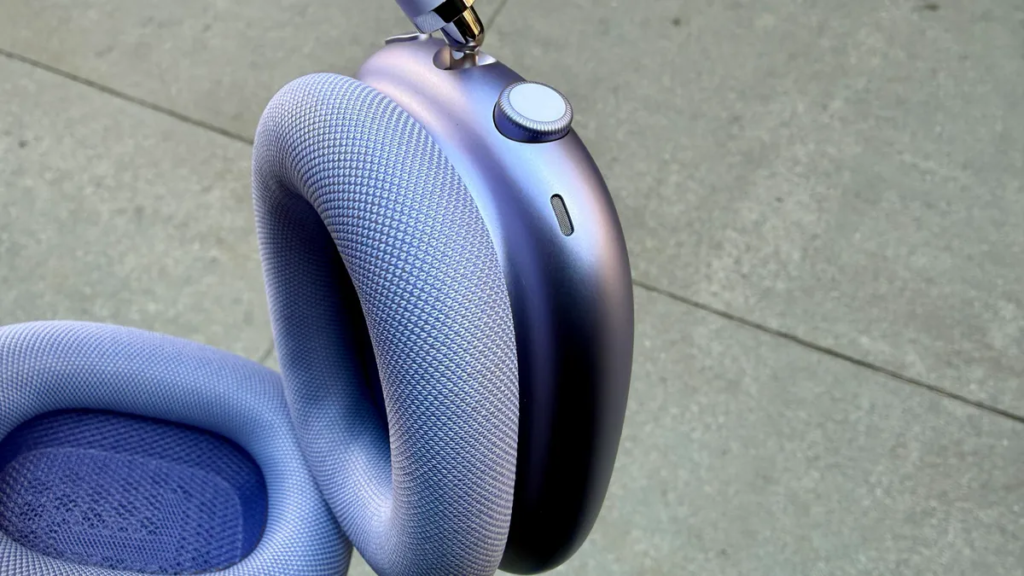
The controls are easy once you learn them. The Digital Crown handles volume, playback, and Siri. The button beside it switches listening modes and activates Live Translation. Head gestures for answering and dismissing calls are new, and they feel very Apple in the best and weirdest sense of the phrase.
If you want more codec freedom or more device-agnostic behavior, the Sony WH-1000XM6 review is the better place to look.
Battery Life & Charging
Battery life is fine, not fantastic. Apple rates the AirPods Max 2 at up to 20 hours with ANC on, and that’s serviceable for a few days of normal use. It’s not class-leading in 2026, though, and you will charge them more often than some rivals.
USB-C charging helps, of course. So does Apple’s low-power behavior when the headphones sit in the Smart Case. The thing is, that case still feels more like a workaround than a luxury feature. There’s no dedicated power button, so Apple keeps battery management tied to its own logic.
For occasional use, you’ll probably stop thinking about it. For daily use, you’ll notice that other flagship headphones last longer.
Price & Value
$549 is a lot, and you don’t need anyone to soften that for you. Even with the upgrades, these are expensive headphones. That said, the value has more shape now than it did on day one.
If you care about Apple integration, top-tier transparency, strong ANC, spatial audio, and premium materials, the price starts to make sense. If you want long battery life, manual EQ, broader codec support, or a lighter frame, you can spend less and get a better fit for your needs.
The AirPods Max 2 are not the best value for everyone. They are one of the easiest premium buys if you live inside Apple’s ecosystem and want headphones that behave like part of it.
Who AirPods Max 2 is for?
Buy if
You should buy the AirPods Max 2 if you’re already deep in Apple’s world and want headphones that play nicely with your devices. You should also buy them if you care most about ANC, transparency, spatial audio, and call quality. And if you want the best version of AirPods Max so far, this is it.
Don’t buy if
You should skip them if weight is a dealbreaker, because they are still heavy on the head. You should skip them if you want more tuning control, since Apple still doesn’t give you a real EQ. And you should skip them if you want the best value per dollar, because the price is still firmly in flagship territory.
FAQs
What changed most in AirPods Max 2?
You get better sound, stronger noise cancellation, USB-C charging, and Apple’s H2 chip features, but the frame, weight, and overall design stay the same.
Is the sound quality actually better than the original AirPods Max?
You’ll hear clearer separation, fuller bass, and a wider soundstage than the 2020 model. The improvement is real, but it’s still a refinement, not a full reset.
How heavy are AirPods Max 2?
They weigh about 385 grams, or 13.6 ounces, which is the same as the original. If the old model felt heavy to you, this one will too.
Is the battery life any better?
You still get about 20 hours with noise cancellation on, so battery life hasn’t moved much. That’s solid for Apple, but weaker than some Sony and Bose rivals.
Should you upgrade from the original AirPods Max?
You should upgrade if you want better sound, improved ANC, and newer Apple features. If comfort, weight, or price matter most, the original still makes more sense.
Final Verdict
The AirPods Max 2 are the kind of update you can feel, even if you can barely see it from across the room. The ANC is better, the sound is cleaner, and the Apple-only features make them much more useful than the original version. USB-C lossless audio is a nice bonus too.
But the old complaints still hang around. They’re heavy, they’re expensive, and they still don’t do much to win over Android users. If you already own the original AirPods Max, this is a smart upgrade. If you’re starting from scratch, buy them only if Apple integration matters a lot to you.