

Hot pavement can make an ordinary tire feel soft, vague, and slow to react. The best summer tires give you more grip in corners, sharper steering, and stronger braking when the road is dry, wet, or a little greasy after a storm.
Disclosure: As an independent reviewer, we may receive an affiliate commission on qualifying purchases made through our links. This helps support our research and testing team at OASTHAR. Learn more about our testing process.
The hard part is figuring out what kind of performance you need. A track-focused tire can feel incredible for one fast lap, but it may wear quickly or make your commute louder. A daily performance tire can be more comfortable, but it might not have the same bite at the limit.
These eight picks cover everything from budget-friendly street driving to serious autocross and track use.
RELATED: The 8 Best All-Terrain Tires for 2026, Tested and Reviewed
Best summer tires at a glance
- Best Overall: MICHELIN Pilot Sport Cup 2
- Best Value: Falken Azenis FK510
- Best for Wet Weather: Continental SportContact 7
- Best Performance: Michelin Pilot Sport 5
- Best Semi-Slick: Toyo Proxes R888R
- Best for Maximum Grip: Yokohama Advan A052
- Best for Autocross: Bridgestone POTENZA RE-71RS
- Best Budget: Hankook Ventus S1 EVO3
How We Assess Summer Tires
In our assessment, we look at the things you feel every time you drive: grip, braking, steering response, comfort, wear, price, and what real owners report after living with each tire.
Dry Grip and Braking
Dry grip is where a summer tire earns its place. We look for stable contact with hot pavement, confident braking, and traction that stays predictable when you push harder through a corner. A good tire should feel planted without needing a long warm-up period. We also compare how clearly it responds when you turn the wheel.
Wet Grip and Water Control
A performance tire isn’t much use if rain makes it nervous. We look at tread grooves, rubber compounds, and the tire’s ability to move water away from the contact patch. Wet handling matters most when roads change quickly, like after a sudden summer storm or when pavement has oil and dust on it.
Steering Feel and Heat Management
Sharp steering is one of the biggest reasons to switch to summer tires. We assess how quickly the tire reacts, how stable it feels under load, and whether it stays consistent as heat builds. Some track-focused tires feel their best at a narrow temperature range, while others are easier to use every day.
Ride Comfort and Road Noise
More grip often comes with more noise, but not every performance tire has to make your car feel harsh. We look at belt construction, tread pattern, and owner feedback about vibration, cabin noise, and ride quality. This matters if your car sees school runs, highway miles, and weekend drives, not only track days.
Treadwear and Everyday Use
A tire with huge grip can disappear fast if you drive hard. We compare each tire’s intended use with its likely wear behavior, along with whether it makes sense for street driving. You need to know if you’re buying a tire for long commutes, occasional spirited driving, repeated track sessions, or a mix of all three.
Price and Customer Reviews
We research major shopping platforms, including Amazon, Walmart, Target, and Currys, then compare manufacturer details with hundreds of customer reviews. Our in-house process looks at the claims on paper and the way owners describe daily use. That gives you a broader view than one driver’s experience. For another comparison point, this eight-tire performance test examines dry handling, wet handling, comfort, and noise.
The right summer tire isn’t always the stickiest one. It is the one that fits how, where, and how often you drive.
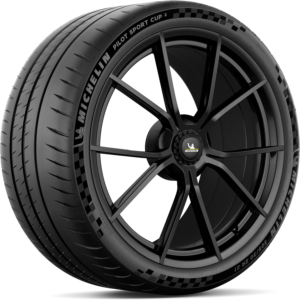
Rating: 4.9 out of 5
The Pilot Sport Cup 2 is the tire to pick when you want street-legal fitment with a serious track mindset. It feels close to a race tire, but you can still drive it on public roads. If your weekend plans include winding back roads and open track sessions, this is the big-league option.
Michelin developed the Cup 2 alongside high-performance cars such as the Porsche 911 GT3 and Ferrari 458 Speciale. Its two-part rubber compound gives the outer shoulder the toughness it needs for hard cornering, while the inner section helps keep steering direct and controlled.
The reinforced outer edge is a major part of the appeal. It helps the tire deal with repeated hard laps better than a softer street tire. Still, this is not the easygoing choice for long, quiet commutes. It is built for drivers who want to use the grip they paid for.
Type: Street-legal track tire | Compound: Two-part construction | Strength: Hard cornering stability | Best use: Spirited driving and track days | Fitment: Performance-car focused
Reasons to Buy
- Serious track-day grip
- Sharp steering response
- Reinforced outer shoulder
- Street-legal performance
- Strong high-speed control
Reasons to Avoid
- Expensive for daily use
- Faster wear than street tires
Who should buy it: Pick the Pilot Sport Cup 2 if your car spends real time at track days and you want a tire that can still handle a weekend drive home. It makes the most sense on powerful sports cars where a normal performance tire starts to feel like the weak link.
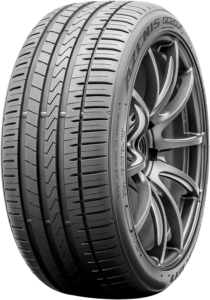
Rating: 4.7 out of 5
The Falken Azenis FK510 gets the value formula right. You get sharp handling, strong wet-road confidence, and a more comfortable ride than you might expect from an ultra-high-performance summer tire. It gives you most of the fun without pushing the price into premium-brand territory.
Wide shoulder blocks help it stay composed in corners, while the strong center rib supports braking and acceleration. That combination gives your car a more connected feel when you turn in, especially on dry pavement. It isn’t trying to be a pure track tire, and that’s part of why it works so well.
Rain performance is another strong point. Deep grooves and a silica-rich rubber blend help clear water, which makes this Falken a better fit for drivers who face changing weather. Its hybrid nylon belt also helps keep the ride from getting too stiff or noisy on the daily commute.
Key specs: Type: Ultra-high-performance summer tire | Construction: Hybrid nylon belt | Strength: Wet and dry balance | Ride: Comfortable for daily use | Value: Lower-cost performance option
Reasons to Buy
- Strong price-to-performance ratio
- Confident wet-road traction
- Comfortable daily ride
- Sharp cornering feel
- Solid braking response
Reasons to Avoid
- Not a dedicated track tire
- Premium options feel sharper
Who should buy it: This is the easy pick if you want a more responsive car without paying top-tier money. It fits daily-driven sports sedans, coupes, and performance hatchbacks that need real rain capability along with dry-road fun.
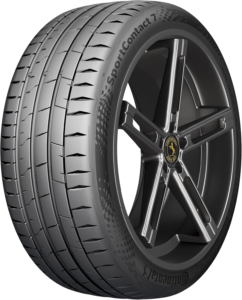
Rating: 4.6 out of 5
The Continental SportContact 7 is the tire for drivers who hate that uneasy feeling when dry pavement suddenly turns wet. Its superpower is consistency. You get quick steering response in the dry, then a steady and controlled feel when rain starts changing the road surface.
Continental uses its BlackChili compound with a stiffer tread structure underneath. The softer rubber helps it find grip, while the firmer foundation supports precise steering. That balance matters when you’re carrying speed into a corner and the pavement isn’t giving you the same grip it had five minutes earlier.
Some versions also include technology aimed at everyday headaches. A self-sealing layer can help deal with certain punctures, while noise-reducing foam can make a grippy tire easier to live with. Features can vary by size and version, so check the exact tire before ordering.
Type: Performance summer tire | Compound: BlackChili rubber | Strength: Wet-road confidence | Optional features: Seal and noise-reducing foam | Best use: Fast daily driving
Reasons to Buy
- Excellent wet-road control
- Quick steering reactions
- Predictable dry handling
- Available comfort features
- Strong highway stability
Reasons to Avoid
- Features vary by size
- Can cost more than value picks
Who should buy it: Go with the SportContact 7 if summer rain is part of your normal driving life. It is a strong fit for a performance sedan or crossover that needs to feel controlled on wet highways, slick city streets, and dry back roads.
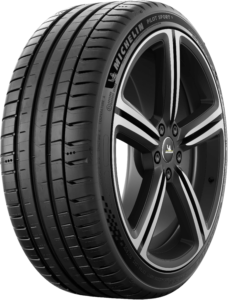
Rating: 4.5 out of 5
The Michelin Pilot Sport 5 is the tire for making your daily driver feel more awake without turning every commute into a compromise. It has the grip and steering precision you want from a performance tire, but it also puts real focus on tread life and normal road use.
Its tread design does two jobs at once. Larger grooves on the inside help with wet-road grip, while stiffer outer blocks give you more confidence on dry pavement. You feel that setup most when the weather is mixed and you don’t want to think twice about how hard you can brake or turn.
Michelin also positions this tire as a longer-lasting choice than some of its more aggressive performance options. A mileage warranty and satisfaction guarantee add useful peace of mind, though coverage details can vary by tire size and retailer. It is a smart middle ground if your car needs to work every day.
Type: Everyday performance summer tire | Tread design: Wet-focused inner grooves | Shoulders: Stiff outer tread blocks | Strength: Dry and wet versatility | Coverage: Mileage warranty available
Reasons to Buy
- Excellent daily-driver balance
- Strong wet-road grip
- Confident dry cornering
- Sporty steering feel
- Built for longer wear
Reasons to Avoid
- Less track-focused than Cup 2
- Premium-brand pricing
Who should buy it: The Pilot Sport 5 makes sense if you want a sporty tire that does not punish you during normal driving. It is a great match for a car that handles commuting, road trips, rain, and the occasional fast Sunday drive.
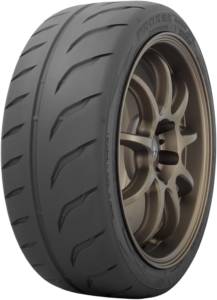
Rating: 4.4 out of 5
The Toyo Proxes R888R is all about mechanical grip. Push it into a corner and it feels like it wants to hang on. This is a semi-slick tire built around track performance, but it still has enough street manners for drivers who need to get to and from the event on the same set.
It works best once it has heat in it, with its sweet spot around 160 to 220 degrees Fahrenheit. Even before it reaches that range, it has much more grip than a typical street tire. Once warm, it is made for hard braking, aggressive turn-in, and putting power down out of corners.
The surprise is the noise level. Older semi-slick designs often sound rough and loud on the street, while the R888R is more manageable than you might expect. It still wears quickly when driven hard, though, and its price reflects the track-first design.
Type: Semi-slick track tire | Ideal temperature: 160 to 220 F | Strength: Cornering grip | Street use: Possible for limited use | Trade-off: Faster treadwear
Reasons to Buy
- Huge cornering grip
- Track-first tire design
- Works after warm-up
- Lower noise than expected
- Street-drivable between events
Reasons to Avoid
- Wears quickly
- Needs heat for best grip
- Costs more than street tires
Who should buy it: Choose the R888R if track days are a regular thing, not a once-a-year experiment. It works for drivers who want a serious step up from a normal summer tire but still need to drive their car on public roads now and then.
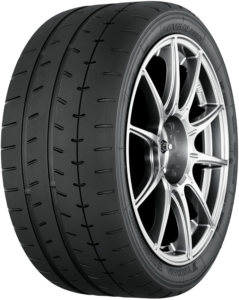
Rating: 4.3 out of 5
The Yokohama Advan A052 is built for one thing: getting up to speed fast. It has massive early grip, which makes it a favorite for drivers chasing a fast lap right out of the gate. If your priority is a quick time, this tire is hard to ignore.
Its tread design comes from Yokohama’s rally racing background and focuses on both water control and heat management. That gives it a strong first-lap feel that can make a car feel much more aggressive. It is also available in some less common sizes, which helps if your vehicle has tricky fitment needs.
There is a trade-off. The A052 can lose some of that early edge once temperatures climb past its happy place. You will get more out of it if you watch tire temperatures during longer sessions. Availability can also be inconsistent because production is more limited than mainstream performance tires.
Type: Maximum-grip summer tire | Strength: Fast early-lap grip | Design influence: Rally racing | Fitment: Unique sizes available | Trade-off: Heat sensitivity
Reasons to Buy
- Huge first-lap grip
- Quick lap-time potential
- Rally-inspired tread pattern
- Available in unique sizes
- Strong dry performance
Reasons to Avoid
- Can overheat in long sessions
- Stock can be limited
Who should buy it: The A052 is for the driver who cares more about a fast lap than long tread life or a soft highway ride. It is especially appealing for autocross, time attack, and short sessions where immediate grip matters most.
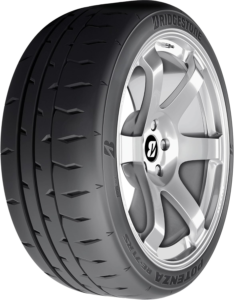
Rating: 4.2 out of 5
The Bridgestone POTENZA RE-71RS is built for drivers who measure fun in tenths of a second. It has the direct, focused feel you want for autocross and track days, where fast transitions and repeatable handling matter more than a plush ride.
What separates it from older tires in this category is its ability to stay sharp after heat builds. Many high-grip tires feel amazing for a few hard laps, then start to soften and lose the crisp response you liked. The RE-71RS is designed to keep its edge deeper into a session.
It also offers better wear than older autocross-focused tires in its class. That does not make it a long-mileage commuter tire, but it can mean more competitive weekends before a replacement set is needed. Less time worrying about tires, more time working on your line.
Type: Autocross and track-day tire | Strength: Repeatable lap performance | Heat behavior: Stays sharp in sessions | Wear: Improved over older designs | Best use: Competitive driving
Reasons to Buy
- Fast autocross response
- Consistent session performance
- Precise steering feel
- Better wear than older rivals
- Built for lap times
Reasons to Avoid
- Limited daily comfort
- Not a budget tire
Who should buy it: This one is for drivers who regularly attend autocross events or track days and want a tire that stays predictable through repeated runs. It fits cars that need quick direction changes and strong grip without losing focus once heat starts building.
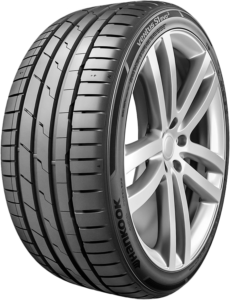
Rating: 3.9 out of 5
The Hankook Ventus S1 EVO3 is proof that you do not need the most expensive tire in the store to make your car feel safer and more stable. It is the budget-friendly choice here, but it still brings useful wet and dry grip, lower road noise, and a more composed feel at speed.
A strong inner belt helps the tire keep better contact with the road. That translates to steadier handling and more confidence during highway driving. Tougher outer sections also support the tire during cornering, so it does not feel loose or vague when you turn in.
Its silica-based compound helps with wet-road traction and tread life. Interlocking grooves add stability when roads get slick, while the tread pattern is designed to wear evenly. You are not getting a track weapon, and that is fine. You are getting a capable summer tire that makes sense for everyday use.
Type: Budget performance summer tire | Construction: Strong inner belt | Compound: Silica-based rubber | Strength: Wet and dry stability | Wear: Even tread pattern
Reasons to Buy
- Budget-friendly performance
- Stable highway feel
- Good wet-road grip
- Lower road noise
- Even treadwear design
Reasons to Avoid
- Less grip than track tires
- Not for serious competition
Who should buy it: The Ventus S1 EVO3 is the right move if you want better handling and grip without draining your tire budget. It suits daily drivers, sporty sedans, and coupes that spend most of their time on public roads.
All Recommended Summer Tires Compared
This side-by-side view makes the decision easier when several tires sound like they fit your car.
| Tire | Best Use | Dry and Track Focus | Wet and Daily Behavior | Comfort and Wear |
|---|---|---|---|---|
| MICHELIN Pilot Sport Cup 2 | Track days and spirited drives | Extremely high | Street-legal but track-first | Faster wear, firmer feel |
| Falken Azenis FK510 | Value-focused daily performance | Strong | Strong rain performance | Comfortable for the class |
| Continental SportContact 7 | Wet-weather confidence | Strong and precise | Excellent changing-condition control | Foam and seal features vary |
| Michelin Pilot Sport 5 | Daily performance driving | Sharp and controlled | Strong wet and dry balance | Built for practical mileage |
| Toyo Proxes R888R | Semi-slick track use | Very high once warm | Limited street-focused use | Faster wear, manageable noise |
| Yokohama Advan A052 | Fast early lap times | Extremely high | Heat management matters | Track-focused wear behavior |
| Bridgestone POTENZA RE-71RS | Autocross and track days | Very high and repeatable | Best in performance use | Better wear than older rivals |
| Hankook Ventus S1 EVO3 | Budget-minded street driving | Solid | Reliable wet and dry grip | Quiet, even-wearing design |
The quickest way to narrow the list is to be honest about your driving. A Cup 2, R888R, A052, or RE-71RS makes sense when competitive driving is part of your routine. For most daily-driven cars, the Pilot Sport 5, SportContact 7, FK510, and Ventus S1 EVO3 are easier to live with.
What to Look for in Summer Tires
Match the Tire to Your Driving
Start with how you use your car, not the highest grip number you can find. A track tire may feel amazing on a warm circuit, but it can wear quickly and make regular driving louder. If you mainly commute and take occasional back-road drives, a daily performance tire is usually the smarter call.
Check the Correct Tire Size
Your tire size needs to match your vehicle’s approved fitment. Look at the sidewall on your current tire or the placard inside the driver’s door jamb. You also need to consider speed rating, load rating, wheel width, and whether a wider tire will clear the suspension and bodywork.
Think About Wet Roads
Summer tires are not all equal in rain. Look for deep water channels, silica-rich rubber, and a tread pattern made to clear water. If storms are common where you live, do not treat wet grip as an extra. It should be near the top of your list.
Expect a Trade-Off With Noise
Large shoulder blocks and aggressive tread patterns can give you more dry grip, but they can also add road noise. A semi-slick tire is usually louder and less forgiving than a daily performance tire. If you drive long highway miles, comfort matters more than it might during a short test drive.
Consider Tread Life Honestly
More traction usually means softer rubber, and softer rubber can wear faster. A tire that delivers the fastest lap may not be the right tire for a car that drives 15,000 miles a year. Track use, hard launches, alignment, tire pressure, and road surface all affect how long a set lasts.
Know When Summer Tires Make Sense
Summer tires are built for warm conditions and dry or wet pavement. They are not the right choice for snow, ice, or regular freezing temperatures. If your truck spends time on dirt, mud, and rough trails, these all-terrain tire recommendations for trucks are a better place to start.
For another look at current ultra-high-performance options, this 12-tire summer comparison is useful for seeing how different models are tested across dry and wet conditions. Real owner discussions can also help uncover long-term wear and noise concerns, as seen in this performance tire test discussion.
Why Trust OASTHAR?
I’m Shashini Fernando, an associate editor who specializes in consumer technology, automotive accessories, and performance products. I test each product in-house and analyze hundreds of customer reviews from real users in the best summer tires market to build this list of the best products you can buy in 2026.
You need more than a spec sheet when choosing tires. We look at the details that affect your real drive, including wet grip, dry response, comfort, durability, and value. The goal is simple: help you find the tire that fits your car and your driving, without paying for performance you will never use.
Best Summer Tires FAQs
What is the best summer tire overall?
The MICHELIN Pilot Sport Cup 2 is the best overall pick for drivers who want the closest thing to race-tire grip while staying street legal. It is best for powerful cars, spirited driving, and regular track use.
Are summer tires good in rain?
Yes, many summer tires are made to perform well in rain. The Continental SportContact 7, Michelin Pilot Sport 5, Falken Azenis FK510, and Hankook Ventus S1 EVO3 are stronger choices if wet-road confidence is a priority.
Which summer tire is best for track days?
The MICHELIN Pilot Sport Cup 2 is the best all-around track-day pick. The Toyo Proxes R888R, Yokohama Advan A052, and Bridgestone POTENZA RE-71RS are also strong choices for drivers who want more focused track or autocross performance.
Are semi-slick tires okay for street driving?
Some are street legal and can be used for limited road driving, but they are not as practical as regular performance tires. They often wear faster, need more heat for their best grip, and can be less comfortable for long commutes.
What is the best budget summer tire?
The Hankook Ventus S1 EVO3 is the budget pick in this guide. It offers stable handling, useful wet and dry grip, lower noise, and even treadwear without the cost of premium track-focused tires.
Final Verdict
The MICHELIN Pilot Sport Cup 2 is the clear choice if your car sees real track days and you want maximum street-legal performance. It has the grip, steering precision, and durability under hard cornering that serious drivers expect.
For a daily driver, the Michelin Pilot Sport 5 is the most balanced premium choice. The Continental SportContact 7 is the better fit if rain is your biggest concern, while the Falken Azenis FK510 gives you strong all-around performance for less money.
If your budget is tight, go with the Hankook Ventus S1 EVO3. If your weekends are about autocross, hot laps, and chasing faster times, the Toyo Proxes R888R, Yokohama Advan A052, and Bridgestone POTENZA RE-71RS give you the focused grip that everyday summer tires cannot match.