

You’re probably looking at the Nothing Headphone (a) vs Nothing Headphone (1) debate because both models promise the same slick design language, but they don’t land in the same place. The Headphone (1) gives you more polish, more features, and more room to tweak the sound, while the Headphone (a) looks like the smarter value pick on paper.
That makes the upgrade question pretty simple, if you want the full-featured model, the Headphone (1) earns its place, but if you want the core Nothing experience without spending more than you need to, the Headphone (a) may be enough. Let’s break down where the real differences show up.
RELATED: Apple AirPods Max 2 vs Sony WH-1000XM6: Which is Better?
Quick Summary
Here’s the short version. The Headphone (a) is the cheaper and easier recommendation for most people. It gives you the same bold Nothing identity, familiar physical controls, LDAC, multipoint, IP52 protection, and a huge jump in battery life.
The Headphone (1) is the more premium-feeling option. It has KEF-tuned sound, stronger app depth for people who like to tweak, and a more refined finish in black or white. It also carries the first-gen appeal of feeling like Nothing’s “serious” over-ear.
If battery life and price matter most, the Headphone (a) is hard to ignore. If sound tuning matters most, the Headphone (1) still has a case.
Nothing has used this split before in its audio lineup too, where the cheaper “a” model trims back a few extras while keeping the core experience strong, something you can see in this Nothing Ear 1 vs Ear (a) comparison.
Winner: Nothing Headphone (a). It keeps more of the important stuff while costing a lot less.
Specifications
The table below keeps the comparison to the specs that matter most in daily use.
| Spec | Nothing Headphone (a) | Nothing Headphone (1) |
|---|---|---|
| Price | $199 | $299 |
| Bluetooth | 5.4 | 5.3 |
| ANC modes | ANC on, off, transparency | Adaptive ANC, transparency, ANC off |
| IP rating | IP52 | IP52 |
| Battery, ANC on | Up to 75 hours | Up to 35 hours |
| Battery, ANC off | Up to 135 hours | Up to 80 hours |
| Weight | 10.9 ounces | 329g |
| Colors | Black, white, pink/white, yellow/white | Black, white |
| LDAC support | Yes | Yes |
| Wired audio | USB-C audio and 3.5mm jack | USB-C audio and 3.5mm jack |
| Multipoint | Yes | Yes |
This is where the Headphone (a) starts pulling away on paper. You get newer Bluetooth, much longer rated battery life, more color options, and the same water and dust protection.
The Headphone (1) still holds its ground with the same codec support, wired listening flexibility, and multipoint. But the spec table makes the pricing gap feel bigger.
Winner: Nothing Headphone (a). It wins the raw numbers fight where most buyers will feel it, battery, price, and wireless version.
Design, Comfort & Build Quality
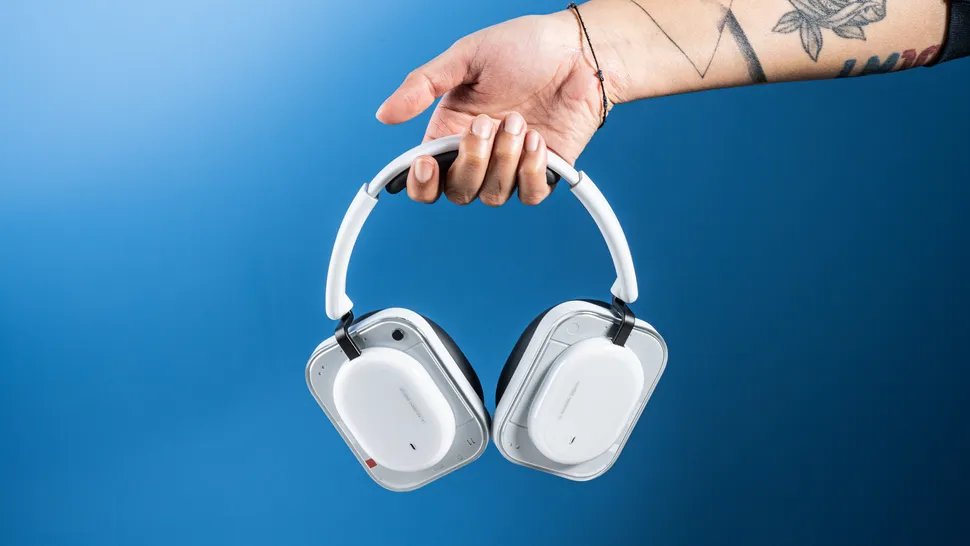
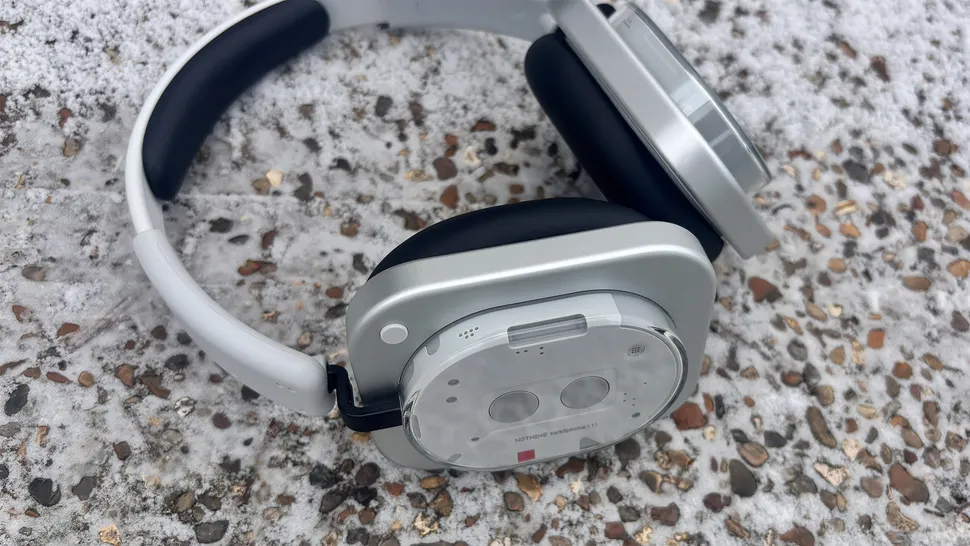
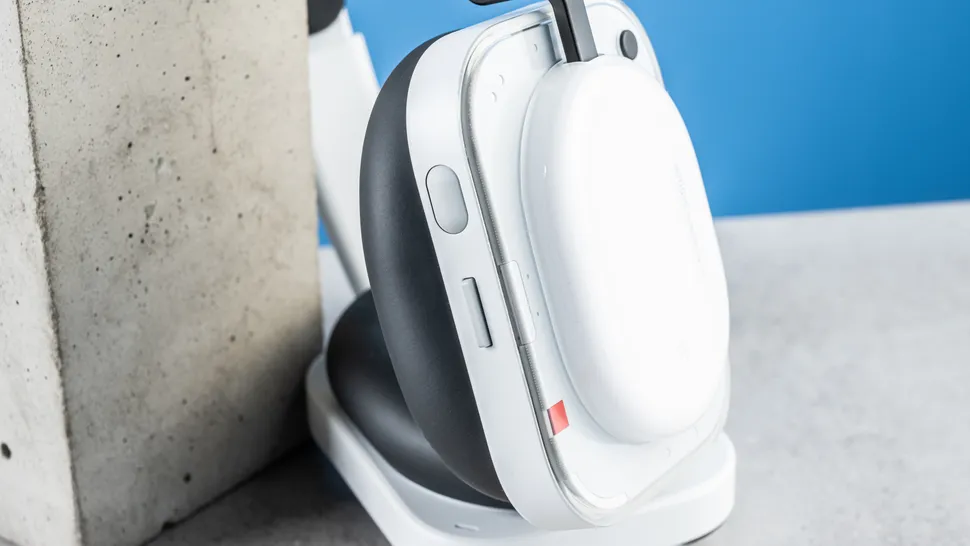
Both headphones look like Nothing products from across the room. You get the brand’s transparent, cassette-like earcups, visible internal details, and physical controls instead of touch panels. That’s a good thing. Rollers and paddles are easier to learn, easier to feel, and much harder to trigger by accident.
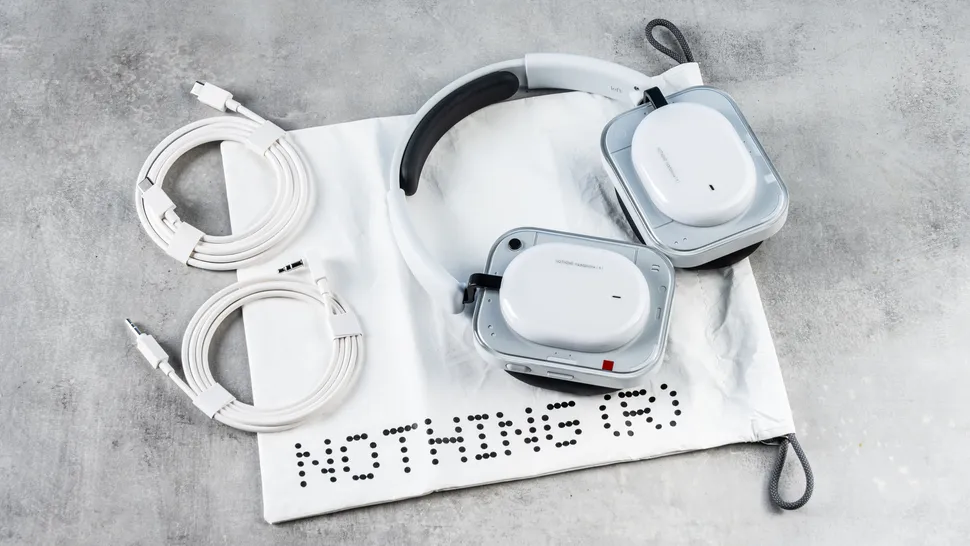
The Headphone (a) leans more playful. You get four colors, including pink and yellow, and the whole thing feels made for people who want their headphones to look like part of the outfit. The fit can feel clampy, but the ear pads are soft and the controls are excellent.
The Headphone (1) is more restrained. It comes in black or white, looks cleaner, and feels more premium in the hand. It is also heavy at 329g, and it doesn’t fold, only rotates flat. That makes it a little less friendly if you care about compact packing. Both pairs have IP52 protection, which is still rare for over-ear headphones and useful if you wear them to the gym or in light drizzle.
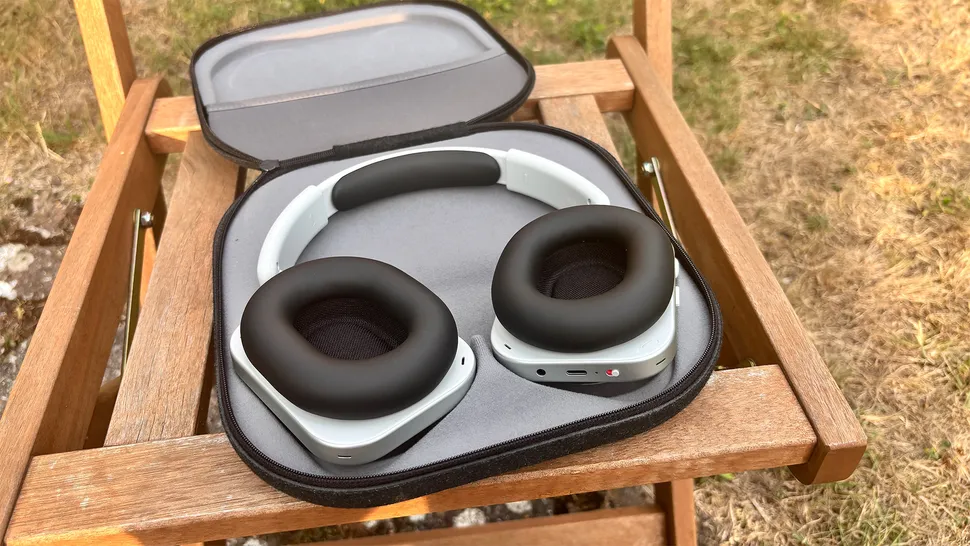
Winner: Tie. The Headphone (a) is more fun and slightly easier to wear casually, while the Headphone (1) feels more upscale.
Sound Quality, ANC & Call Performance
Sound is where the gap gets more interesting. The Headphone (1) was tuned with KEF, and you can hear that it is chasing a more balanced, more controlled presentation. Out of the box, its default tuning can sound dark, with mids that sit a bit back and treble that needs help. But once you EQ it, you get better instrument separation and a wider sense of space than you might expect from a closed-back wireless pair.
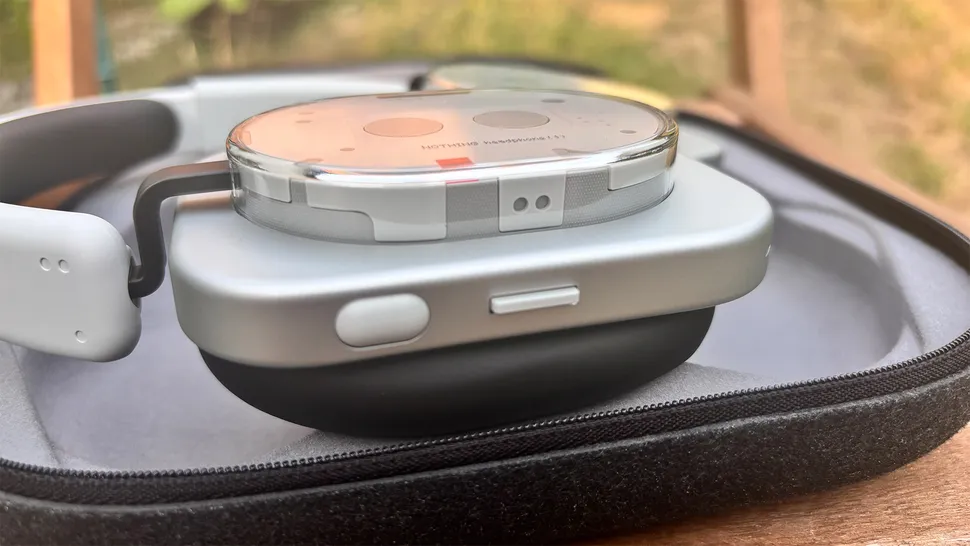
The Headphone (a) is less polished. Vocals and electronic tracks come through well, and bass has good punch, but heavier rock and metal can sound flatter and muddier. It is a more casual tuning. If you want something fun for playlists, podcasts, and commuting, that’s fine. If you listen for detail, the older pair is stronger.
ANC is good on both, not class-leading on either. The Headphone (1) does a solid job on low engine rumble, office chatter, and traffic, with lab results showing good attenuation in the low and mid bands. The Headphone (a) is more middle-of-the-road. You will still hear keyboards, chairs, and some room noise. Bose and Sony still do this better.
Call quality follows a similar pattern. The Headphone (1) suppresses steady background noise well, and its Clear Voice system keeps speech understandable outdoors, but echo and reverberation can make calls sound hollow. The Headphone (a) also cuts traffic noise well, though voices can sound muffled. Both are fine for daily calls. Neither is the pair you’d pick for your most important meeting.
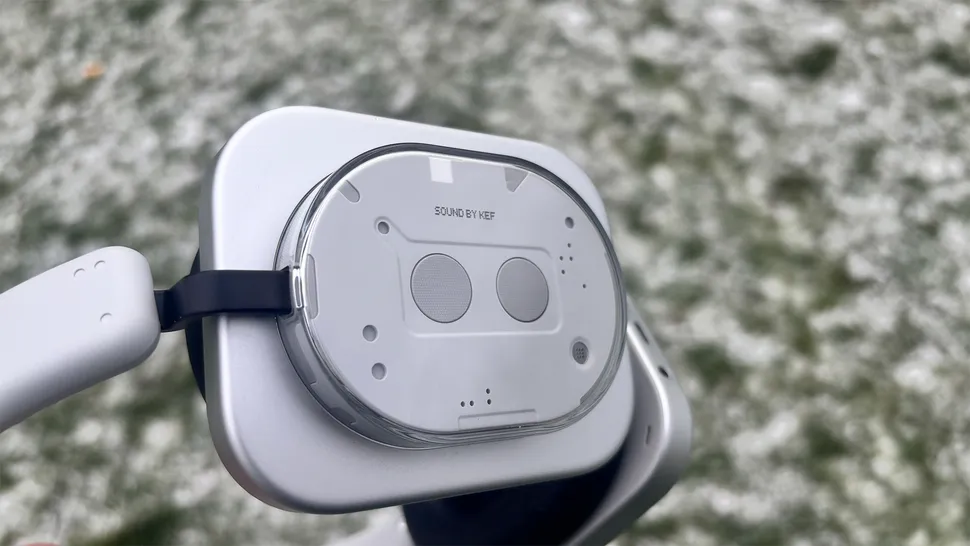
Nothing has shifted tuning styles across its audio products before, and that same “fun versus refined” split shows up in this Nothing Ear (2) vs Ear (1) review comparison.
Winner: Nothing Headphone (1). It sounds more convincing when you take time to tune it, and its ANC feels a little more dependable.
Features, App Controls & Connectivity
The Nothing X app matters with both models. You can switch ANC modes, remap controls, use EQ, and manage multipoint. That alone makes both pairs more flexible than a lot of mid-range rivals. The mechanical button is also more useful than it sounds, since you can set it for shortcuts like Spotify or your voice assistant.
The Headphone (1) has the better enthusiast angle. It supports advanced EQ adjustment, including deeper control over frequency bands, plus features like spatial audio with head tracking and a low-latency gaming mode. It also supports USB-C audio, a 3.5mm cable, dual-device connection, and LDAC for high-resolution wireless audio on compatible Android phones.
The Headphone (a) doesn’t feel stripped down, though. You still get LDAC, USB-C audio, a 3.5mm jack, multipoint, Google Fast Pair on Android, and some Nothing phone extras like ChatGPT-linked features. Bluetooth 5.4 also gives it a small future-proofing edge. If you want the bigger breakdown on the cheaper model, this Nothing Headphone (a) review is worth a look.
Winner: Tie. The Headphone (1) gives you better premium media features, but the Headphone (a) keeps the practical stuff that most people will use.
Battery Life & Charging
This is the section that can settle the whole decision. The Headphone (1) is already strong, rated for up to 35 hours with ANC on and 80 hours with ANC off. In testing, it even ran past 42 hours with ANC enabled, which is better than many premium rivals.
Then the Headphone (a) shows up and blows the gap open. It is rated for up to 75 hours with ANC on and 135 hours with ANC off. That changes how you live with it. You can travel, commute, work, and forget where the charging cable is for a while.
Wired audio on both also helps if you ever run the battery flat, but the cheaper pair is the one you will charge less often.
Winner: Nothing Headphone (a). Its battery life is the clearest single advantage in this whole comparison.
Price & Value
Price changes everything here. At $199, the Headphone (a) sits in a sweet spot. You are not paying flagship money, but you still get strong battery life, LDAC, multipoint, wired audio, IP52 protection, and a design that doesn’t look like every other pair on the shelf.
The Headphone (1) launched at $299, and that extra $100 only makes sense if you care about its KEF tuning, slightly more premium positioning, and feature extras like spatial audio. For many buyers, that is harder to justify when the cheaper model lasts so much longer and keeps the daily essentials.
Winner: Nothing Headphone (a). It gives you the better return unless the older model’s sound and premium touches matter more than the price gap.
Who Each Headphone Is Best for?
Choose the Nothing Headphone (a) if
- You want the lower price without giving up core features.
- You hate charging often and want one of the longest battery claims in this class.
- You like brighter color options and a more playful look.
- You mostly listen casually, commute, travel, and want strong everyday value.
Choose the Nothing Headphone (1) if
- You care more about tuning and want the KEF-backed sound profile.
- You like to fine-tune EQ and use extra audio features such as spatial audio.
- You want the cleaner, more premium black-or-white finish.
- You do not mind paying more for a headphone that feels a bit more serious in its positioning.
FAQs
Should you upgrade from Headphone (a) to Headphone (1)?
Only if you care more about sound and finish than battery life. Headphone (1) sounds more refined, but Headphone (a) still wins on value and stamina.
Which model gives you better battery life for travel?
Headphone (a) does. It can last up to 135 hours without ANC and about 75 with it, while Headphone (1) is much shorter in real use.
Does Headphone (1) sound clearly better than Headphone (a)?
Yes, and that’s the main upgrade. Headphone (1) sounds more polished, with better tuning, a wider stage, and less need for immediate EQ work.
Are the noise canceling and controls different enough?
Not by much. ANC is close, though Headphone (1) can block a bit more high-frequency noise. Both use physical controls, which you may prefer over touch surfaces.
Is the pricier model worth it for everyday use?
Both have IP52 protection, so sweat and light rain aren’t the deciding factor. Price, weight, battery life, and sound quality matter more when you choose.
Final Verdict
For most people, the Headphone (a) is the better buy. It is cheaper, lasts much longer, keeps the same standout control system, and covers the features you are most likely to use. The Headphone (1) is still the one to look at if sound tuning is your main priority and you are happy to spend time in the app. If you want the smarter balance of cost, convenience, and day-to-day usability, go with the newer pair. If you want the more premium audio angle, the older one still earns its place.
Winner: Nothing Headphone (a). It makes fewer demands on your wallet and your charging habits, while giving up less than you might expect.