


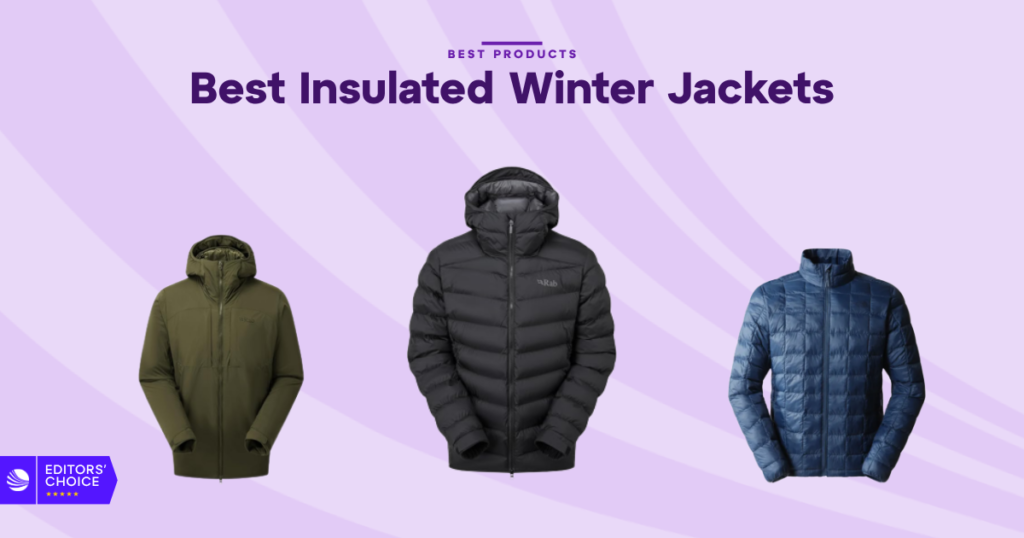
Finding the best insulated winter jackets gets a lot harder once the wind cuts through your layers and the temperature keeps dropping. You want real warmth, but you do not want to feel boxed in by a stiff, bulky coat that fights every move.
Disclosure: As an independent reviewer, we may receive an affiliate commission on qualifying purchases made through our links. This helps support our research and testing team at OASTHAR. Learn more about our testing process.
That is where the right jacket changes the whole season. It should hold heat, block wind, shrug off snow or light rain, and still feel easy to wear on a commute, a hike, or a cold night out.
This guide breaks down the strongest picks for different needs, from budget-friendly basics to technical outerwear that handles ugly weather without feeling overbuilt.
RELATED: The 7 Best Budget Basketball Shoes for 2026, Tested and Reviewed
Best insulated winter jackets at a glance
Here is the fast version if you want the short list first.
- Best Overall: Rab Nebula Pro Insulated Jacket
- Best Premium: Patagonia DAS Light Hooded Jacket
- Best for Comfortable: Rab Xenair Alpine
- Best Versatile: Arc’teryx Atom Hoody
- Best Lightweight: Patagonia Micro Puff Hoody
- Best Value: The North Face ThermoBall 2.0
- Best Budget: Amazon Essentials Lightweight Puffer
How We Test Insulated Winter Jackets
In our assessment, a good winter jacket has to do more than look warm on paper. We compare warmth, weather protection, fit, and real-world comfort before a jacket makes the cut.
Price and Customer Reviews
We start by looking across major shopping platforms such as Amazon, Walmart, Target, and Currys so the shortlist reflects what people can actually buy. Then we read hundreds of customer reviews to see what real users say after weeks or months of wear. That mix helps us separate strong designs from jackets that only look good in a product page photo.
Insulation and Warmth
Warmth is the main job, so we judge how each jacket traps heat, where the insulation is placed, and whether it stays warm when conditions turn damp. Synthetic fills matter a lot here because they keep working better than many natural fills when snow, sleet, or moisture show up. We also look at whether the jacket feels warm without turning into a sauna.
Weather Resistance
Winter is not always dry and clean. We check shell fabric, water-repellent coatings, wind blocking, hood coverage, and how well the jacket handles light rain or snow. For cold weather, weather resistance is not a bonus feature, it is part of the job. A jacket can be warm and still fail fast if the shell leaks or soaks through too easily.
Fit and Mobility
A winter jacket should fit your body and your routine. We pay attention to room in the shoulders, layering space, sleeve shape, cuff comfort, hem adjustment, and overall movement. A coat that traps heat but limits motion is a bad trade if you plan to hike, commute, or wear it for long stretches.
Packability and Weight
Some jackets live in your closet. Others live in your backpack. We compare weight, how small each jacket packs down, and whether that packability actually helps in daily use. This matters most if you travel, carry a daypack, or like having a backup layer you can toss in a bag without thinking twice.
Build Quality and Real Use
Finally, we look at durability, zipper quality, pocket design, hood shape, and how the jacket feels after repeat wear. A winter layer should survive rough use, not just a few clean showroom minutes. That is where our in-house testing and review analysis come together, so the final list is built for the way you actually dress in winter.
Star rating: 5.0/5
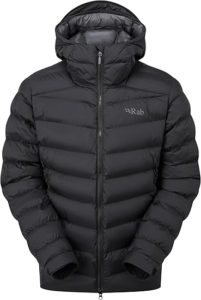
The Rab Nebula Pro is the jacket you want when winter is not playing nice. It brings the strongest all-around mix of warmth, weather protection, and comfort in this group, so it earns the top spot without much debate.
The big win here is the PrimaLoft Silver Insulation Luxe, which gives you serious heat retention without making the jacket feel heavy or overstuffed. That matters when you are out in freezing air for hours, not just walking from the car to the store. The shell uses Pertex Quantum Pro, so wind and light rain get pushed aside while the jacket still breathes well enough for day-long wear.
You also get the details that separate a good winter jacket from a frustrating one. The hood is helmet-compatible, the cuffs and hem help seal in warmth, and the pocket layout is practical for cold-weather errands or outdoor use. If you want one jacket that can handle snow, cold commutes, and long days outside, this is the cleanest all-around answer.
- Insulation | PrimaLoft Silver Insulation Luxe
- Shell | Pertex Quantum Pro
- Weather protection | Wind and light rain resistance
- Hood | Helmet-compatible design
- Best for | Freezing weather, travel, outdoor use
Reasons to Buy
- Warm without major bulk
- Strong wet-weather performance
- Easy to wear all day
- Good pocket and hood setup
- Handles winter conditions well
Reasons to Avoid
- Not the cheapest option
- Less casual than some rivals
Who should buy it: You should look at this first if you want one jacket that does almost everything well. It fits cold climates, outdoor trips, and long days in ugly weather. If you care more about balance than chasing one single feature, this is the smartest pick in the group.
Star rating: 4.9/5
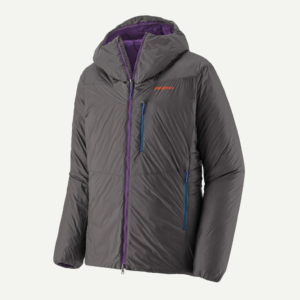
The Patagonia DAS Light Hooded Jacket is built for weather that tries to ruin your plans. It is one of the strongest options here when you care more about protection than looking light and casual.
The shell uses recycled nylon ripstop with a water-resistant coating, so wind and light rain do not get much of a say. Inside, Patagonia uses PlumaFill insulation, which feels down-like but keeps its edge when damp. That is a big deal if you hike, ski, or climb in conditions that swing from dry to wet in a hurry. OutdoorGearLab’s Patagonia DAS Light Hoody review backs up that weather-first approach.
The jacket also keeps the build clean and practical. Minimal quilting helps reduce bulk, the hood works with a helmet, and the two-way zipper gives you more control when you are moving or layered up. If you spend time outdoors in changing weather, this is the kind of jacket that makes sense before the storm starts, not after it gets worse.
- Insulation | PlumaFill synthetic fill
- Shell | Recycled nylon ripstop
- Weather protection | Water-resistant and wind-resistant
- Packability | Packs down neatly
- Best for | Skiing, climbing, wet-cold conditions
Reasons to Buy
- Excellent weather resistance
- Warm even when damp
- Low-bulk feel
- Helmet-friendly hood
- Strong alpine-ready design
Reasons to Avoid
- Not the lightest feeling option
- Better for protection than lounging
Who should buy it: This is for you if your winter plans include snow, wind, and the occasional sloppy forecast. It is not trying to be a casual throw-on puffer. It is trying to keep you dry, warm, and moving when the weather gets serious.
Star rating: 4.8/5
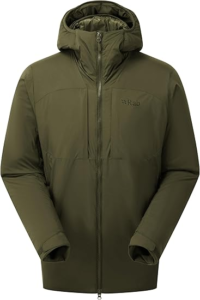
The Rab Xenair Alpine is the jacket that gets comfort right without giving up performance. It is made for people who move, sweat, stop, and move again.
Its best trick is the dual-zone PrimaLoft Gold Active+ insulation. The warmer fill sits where you need it most, while lighter insulation in other areas helps with airflow and temperature balance. That means you stay warm without feeling sealed inside a sleeping bag. OutdoorGearLab’s Rab Xenair Alpine review points to the same strength, a smart balance between warmth and breathability.
The Pertex Quantum Air shell also helps a lot. It blocks wind and light rain, but it lets enough air move through so you do not get swampy on hard climbs or long hikes. Add in the helmet-compatible hood, articulated sleeves, stretch cuffs, and two-way zipper, and you get a jacket that feels built around motion instead of around a mannequin.
- Insulation | Dual-zone PrimaLoft Gold Active+
- Shell | Pertex Quantum Air
- Breathability | High for active use
- Mobility | Articulated sleeves and stretch cuffs
- Best for | Hiking, climbing, skiing
Reasons to Buy
- Excellent comfort on the move
- Warm but breathable
- Smart insulation placement
- Great range of motion
- Easy to pack
Reasons to Avoid
- Not the warmest for standing still
- Less casual than some everyday jackets
Who should buy it: Pick this one if your winter days are active and uneven. It works especially well when you are moving uphill, switching pace often, or layering for a long day outside. If you hate overheating in insulated outerwear, this jacket makes a strong case.
Star rating: 4.7/5
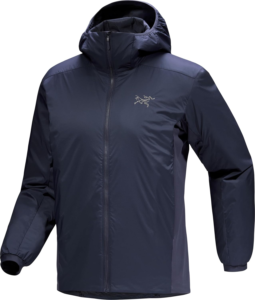
The Arc’teryx Atom Hoody is the easy all-rounder in this lineup. It is not trying to win with brute-force warmth. It is trying to be the jacket you keep reaching for because it fits the most situations.
Coreloft compact insulation gives you steady warmth even if the weather turns damp, which helps a lot in mixed winter conditions. The stretch fleece side panels are a big part of the appeal too. They keep the jacket mobile and help with airflow, so it feels good whether you are hiking, running errands, or wearing it under a shell. Switchback Travel’s Arc’teryx Atom Hoody review makes the same point, this jacket is made for versatility first.
The Tyono 20 outer fabric keeps things light and durable, and the low-profile storm hood adds warmth without getting in your face. That is what makes the Atom such an easy recommendation. It is good as a mid-layer, good on its own, and good when you need one jacket that does not feel too technical or too casual.
- Insulation | Coreloft compact
- Shell | Tyono 20 fabric
- Stretch | Fleece side panels
- Hood | Low-profile storm hood
- Best for | Everyday wear, layering, travel
Reasons to Buy
- Works in lots of situations
- Easy to move in
- Good layering piece
- Light and packable
- Clean everyday look
Reasons to Avoid
- Less weatherproof than heavier options
- Not the warmest pick here
Who should buy it: This is a great fit if you want one jacket that slides between city use, trail use, and shoulder-season wear. It is especially useful if you value comfort and flexibility more than maximum insulation. For a lot of people, this ends up being the jacket that gets worn the most.
Star rating: 4.6/5
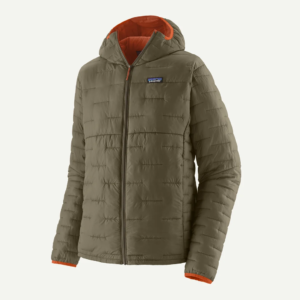
The Patagonia Micro Puff Hoody is the small-package, big-output pick. It does a lot with very little weight, which is exactly why it stands out.
Patagonia uses Pertex Quantum shell fabric, a windproof recycled nylon that keeps the jacket light and easy to stash. There is also a durable water-repellent finish, so light snow or drizzle does not soak through too fast. The insulation is PlumaFill, Patagonia’s synthetic fill that behaves a lot like down but keeps warming even when damp. Switchback Travel’s Patagonia Micro Puff Hoody review highlights the same strengths, low weight, strong packability, and cold-weather usefulness.
The rest of the design stays focused too. Quilting keeps the insulation where it belongs, the regular fit gives you room to move, and the under-helmet hood is useful if you layer it into a mountain system. You also get several pockets, including one that doubles as a stuff sack, which is exactly the kind of smart detail that makes a lightweight jacket easier to live with.
- Shell | Pertex Quantum recycled nylon
- Insulation | PlumaFill synthetic fill
- Weather protection | DWR finish
- Packability | Stuffs into its own pocket
- Best for | Backpacking, climbing, travel
Reasons to Buy
- Extremely light
- Packs down very small
- Warm for the weight
- Good under a shell
- Smart pocket setup
Reasons to Avoid
- Not the roomiest jacket
- Premium price for a lightweight piece
Who should buy it: Go for this if you care about weight, space, and layering. It is a strong choice for travel, climbing, and backpacking because it does not take over your pack. If you want warmth that disappears when you do not need it, this one is hard to ignore.
Star rating: 4.3/5
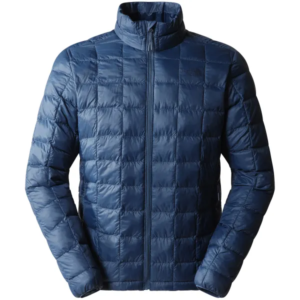
The North Face ThermoBall 2.0 is the jacket that makes everyday winter easier. It is warm, simple, and easy to use, which gives it real value if you want one reliable puffer without jumping into full alpine gear.
The synthetic ThermoBall Eco insulation mimics down while staying useful when wet, so it gives you a better safety net than a lot of cheap puffers. The shell has a durable water-repellent finish, which helps with light snow and drizzle. The quilting also plays a part here, since it helps spread warmth more evenly and reduce cold spots.
What sets it apart is how easy it is to live with. It packs into its own pocket, it is light enough for daily use, and it works well for commuting, casual wear, and cold errands. It is not the most technical jacket here, and it does not breathe like the top active picks, but it gets the basics right and keeps the price-to-performance balance in a good place.
- Insulation | ThermoBall Eco synthetic fill
- Shell | Water-repellent outer fabric
- Weather protection | Light snow and drizzle resistance
- Packability | Packs into its own pocket
- Best for | Everyday wear, commuting, casual cold
Reasons to Buy
- Easy everyday warmth
- Packs down well
- Good wet-weather safety
- Simple, wearable design
- Solid value for general use
Reasons to Avoid
- Less breathable than active jackets
- Not the most premium build here
Who should buy it: This is a smart pick if you want a dependable winter jacket for normal life, not mountain missions. It fits commute-heavy days, weekend errands, and casual cold-weather wear. If you want something easy, warm, and practical, this one lands in the sweet spot.
Star rating: 3.9/5
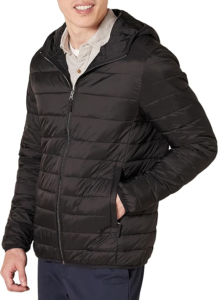
The Amazon Essentials Lightweight Puffer Hooded is the straightforward budget pick, and it does the job better than you might expect for the price. It is light, simple, and easy to wear, which is exactly what many shoppers want.
The jacket uses water-resistant nylon taffeta, so light rain or snow is not a big problem. Inside, the lining and quilting help trap heat without making the jacket feel puffy in a bad way. It has a relaxed fit through the shoulders and chest, so you can layer underneath it if you need more warmth. It is the kind of jacket that keeps your options open without asking much from your wallet.
The practical touches are good too. Elastic cuffs, a snug hood, a drawcord hem, and zippered hand pockets all help seal in heat and make daily wear more comfortable. It also packs into its own small bag, which is useful if you want a cheap backup layer for travel, school, or the trunk of your car. It will not beat the technical jackets above it, but it does punch above its price.
- Shell | Water-resistant nylon taffeta
- Insulation | Lightweight synthetic fill
- Fit | Relaxed for layering
- Packability | Includes stuff bag
- Best for | Budget buyers, casual winter wear
Reasons to Buy
- Very affordable
- Easy to layer
- Light and portable
- Good for basic cold weather
- Simple design
Reasons to Avoid
- Less durable than premium picks
- Not built for hard winter use
Who should buy it: Choose this if you want a simple winter jacket and price is your first filter. It works for everyday cold, backup use, and light weather, especially when you do not need a heavy-duty shell. For basic warmth without a big spend, it gets the point across.
How the Top Picks Stack Up
If you are still deciding, a side-by-side look makes the tradeoffs clearer. The biggest split is simple, some jackets are built for harsh weather, while others are built for comfort, packing, or price.
For a broader market snapshot, OutdoorGearLab’s best insulated jackets roundup is useful because it shows where these technical picks sit against the wider field.
| Jacket | Warmth Feel | Weather Resistance | Packability | Best For |
|---|---|---|---|---|
| Rab Nebula Pro Insulated Jacket | Very high | Very strong | Good | All-around winter use |
| Patagonia DAS Light Hooded Jacket | Very high | Excellent | Strong | Wet, windy, alpine weather |
| Rab Xenair Alpine | High with airflow | Strong | Good | Active cold-weather use |
| Arc’teryx Atom Hoody | Moderate to high | Good | Good | Everyday wear and layering |
| Patagonia Micro Puff Hoody | High for weight | Good | Excellent | Backpacking and travel |
| The North Face ThermoBall 2.0 | Solid everyday warmth | Good | Very good | Casual use and commuting |
| Amazon Essentials Lightweight Puffer Hooded | Basic to moderate | Light protection | Very good | Budget shoppers |
The table makes the pattern obvious. If you need the toughest protection, the top two Patagonia and Rab picks stand out. If you want a jacket you will wear more often, the Atom and ThermoBall are easier daily choices.
What to Look for in an Insulated Winter Jacket
Pick the right insulation for your weather
Synthetic insulation is the safer bet if you deal with wet snow, sleet, or mixed conditions. It keeps working better when moisture shows up, which is why so many of the strongest jackets in this guide use it. If your winter is dry and cold, you can focus more on fit and warmth-to-weight. The point is simple, match the fill to the kind of cold you actually face.
Check the shell before you check the color
A jacket can look warm and still fail fast if the shell is flimsy. Look for wind resistance, water-repellent treatment, and a fabric that can handle brush, straps, or everyday wear. A more protective shell matters most if you spend time outside longer than a quick walk between buildings. If the forecast changes a lot where you live, shell quality should sit near the top of your list.
Make sure the fit leaves room to move
You want enough space for layering, but not so much that warm air escapes too easily. A good winter jacket should fit the shoulders well, let your arms move, and still close cleanly at the cuffs and hem. If you plan to wear a hoodie underneath, check the fit carefully. A jacket that is too tight feels smaller on day one and worse by week three.
Decide how much weight and packability matter
Not every winter jacket needs to be light, but some do. If you commute, travel, or hike, packability can be a big deal. Jackets like the Micro Puff Hoody and ThermoBall 2.0 are easier to stuff in a bag, while heavier-duty options make more sense when warmth and protection come first. Think about where the jacket will live most of the time, on your body or in your pack.
Pay attention to the little stuff that changes comfort
Hood shape, cuff design, hem adjustment, and pocket placement matter more than people think. A good hood keeps heat in without blocking your view. A good cuff keeps drafts out without cutting off your wrist. Pockets should hold your phone, gloves, or keys without feeling awkward. These are not flashy details, but they shape how often you actually enjoy wearing the jacket.
Buy for durability, not just first impressions
The best insulated winter jackets should hold up after repeat wear, not just look nice on the first try. Zippers should feel solid, fabric should resist snagging, and insulation should stay evenly spread after use. If you plan to wear the jacket often, durability matters just as much as warmth. A jacket that lasts two seasons is a bad deal next to one that keeps performing for years.
Why Trust OASTHAR?
I’m Shashini Fernando, an associate editor who specializes in outerwear, winter apparel, and technical layering gear. I test each product in-house and analyze hundreds of customer reviews from real users to build this list of the best products people can buy in 2026.
That matters because winter jackets are full of tradeoffs. A coat can be warm but clumsy, light but underbuilt, or weather-ready but too hot for daily use. We focus on the jackets that handle those tradeoffs best, so you get a list that is practical, current, and worth your time.
Best Insulated Winter Jacket FAQs
What is the best insulated winter jacket overall?
The Rab Nebula Pro Insulated Jacket is the best overall pick. It gives you the strongest mix of warmth, weather protection, and comfort without feeling overbuilt.
Which jacket is best for wet weather?
The Patagonia DAS Light Hooded Jacket is the strongest choice for wet, windy winter conditions. It is built to stay protective when the weather turns ugly.
Which insulated jacket is easiest to pack?
The Patagonia Micro Puff Hoody packs down the smallest while still staying warm. It is the easiest option to toss in a backpack or travel bag.
What is the best budget insulated winter jacket?
The Amazon Essentials Lightweight Puffer Hooded is the budget pick here. It is simple, light, and good for everyday cold without a big spend.
Is synthetic insulation better for winter?
Synthetic insulation is usually the safer choice for damp or changing weather because it keeps working when moisture shows up. That is why so many of the strongest jackets here use synthetic fill.
Final Verdict
If you want one jacket that handles the widest range of winter conditions, the Rab Nebula Pro Insulated Jacket is the best overall buy. It gives you the right mix of warmth, weather protection, and day-to-day comfort, which is exactly what most shoppers need.
If your winter is wetter or harsher, the Patagonia DAS Light Hooded Jacket makes a stronger case. If you want easier movement and more breathability, the Rab Xenair Alpine and Arc’teryx Atom Hoody are the smarter comfort-first picks. And if price is your main filter, the Amazon Essentials Lightweight Puffer Hooded gets you through the season without overcomplicating the purchase.
The right jacket is not the fanciest one on the rack. It is the one that matches the cold you actually live in.
