

Should you buy the Amazfit Active 3 Premium, or spend more on an Apple Watch SE or Garmin instead? That’s the real question with this watch, because on paper it looks almost too generous for the money.
You get a bright AMOLED screen, sapphire glass, offline maps, deep running data, and battery life that doesn’t beg for a charger every night. You also get a few catches, and they matter.
This review sticks to reported real-world use, not brand chest-thumping. If you’re comparing midrange smartwatches and want the plain-English version, you’re in the right place.
RELATED: Motorola Moto Watch Review (2026): Best Big Battery, Polar Tradeoffs?

Quick Summary
The Amazfit Active 3 Premium is easy to like. At around $169.99 in the US, or about GBP169.90, it gives you more fitness depth than most watches near this price. Battery life can stretch to 12 days in lighter use. The AMOLED screen is sharp, bright, and protected by sapphire glass. You also get offline maps, a four-button layout, and training metrics that usually live on pricier running watches.
The tradeoffs are real, though. The app experience is better than older Amazfit watches, but it still isn’t as polished as Apple or Samsung. GPS is single-band, not the top-tier dual-band setup you get on more expensive sports watches. A few reviewers also reported mixed wrist heart-rate behavior during cold or sweaty runs, which is the one issue you shouldn’t ignore.
If you’re shopping the best running watches for 2026, this model earns attention because it packs the right kind of features, not because it tries to look fancy. That’s why it stands out. It feels built for people who train, not people who want a tiny phone on their wrist.
Specifications
Here’s the short version for quick scanning.
| Spec | Amazfit Active 3 Premium |
|---|---|
| Release timing | Early 2026 |
| Price | About $169.99 / GBP169.90 |
| Case size | 45 x 45 x 11 mm |
| Weight | 38g without strap, about 55g with strap |
| Display | 1.32-inch AMOLED |
| Resolution | 466 x 466, 353 PPI |
| Glass | Sapphire crystal |
| Frame | Stainless steel |
| Battery | 365mAh |
| Battery claim | Up to 12 days typical, up to 7 days heavy use |
| GPS battery | About 14 to 24 hours, usage dependent |
| GPS | Single-band GNSS, 5 to 6 satellite systems reported |
| Water resistance | 5 ATM |
| OS and connectivity | Zepp OS, Bluetooth 5.3, mic and speaker |
The big takeaway is simple: the hardware looks stronger than the price suggests.
Design & Build Quality
This isn’t a luxury watch, and it doesn’t pretend to be. The case shape is practical, the finish is sporty, and the stainless steel frame plus sapphire glass combo gives it a more durable feel than many cheap fitness watches. That’s a smart place to spend money.
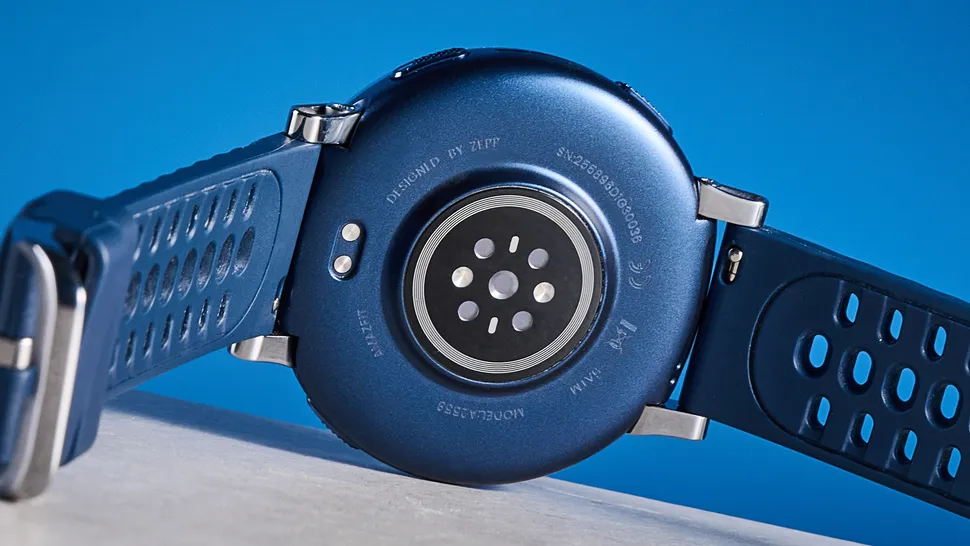
At 45mm, it isn’t tiny. Still, reviewers described it as comfortable enough for all-day wear, partly because the watch body stays fairly light. You notice the size more in photos than on your wrist. The 5 ATM water resistance also means rain, sweat, showers, and pool sessions aren’t a problem.
How the size, weight and buttons feel on your wrist
The 45 x 45 x 11 mm body lands in a usable middle ground. It’s not slim like a fashion-first watch, but it’s also not a brick. The four physical buttons are the part that matters most in daily use.
During runs, gym sessions, or cold weather, buttons beat swiping at a sweaty screen. That’s one reason the watch feels more serious than its price. The only fit warning is obvious: it comes in one size. If you have a small wrist, it may wear bigger than you’d like.
Display Quality
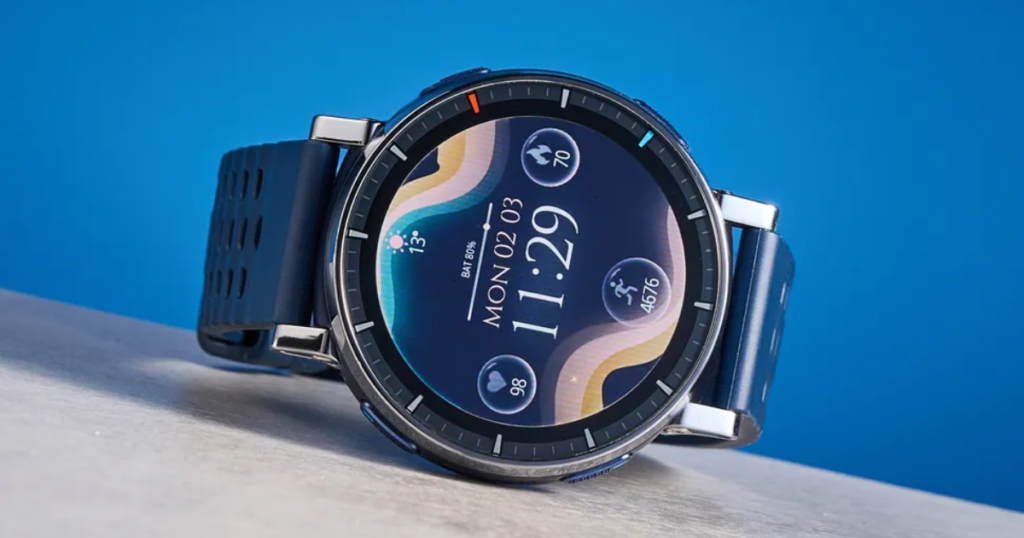
The screen is one of this watch’s best arguments. You get a 1.32-inch AMOLED panel with a 466 x 466 resolution, and it looks crisp enough to make cheaper fitness watches feel a bit flat by comparison. Some recent reports also list brightness up to 3,000 nits, which tracks with the strong outdoor visibility reviewers described in use.
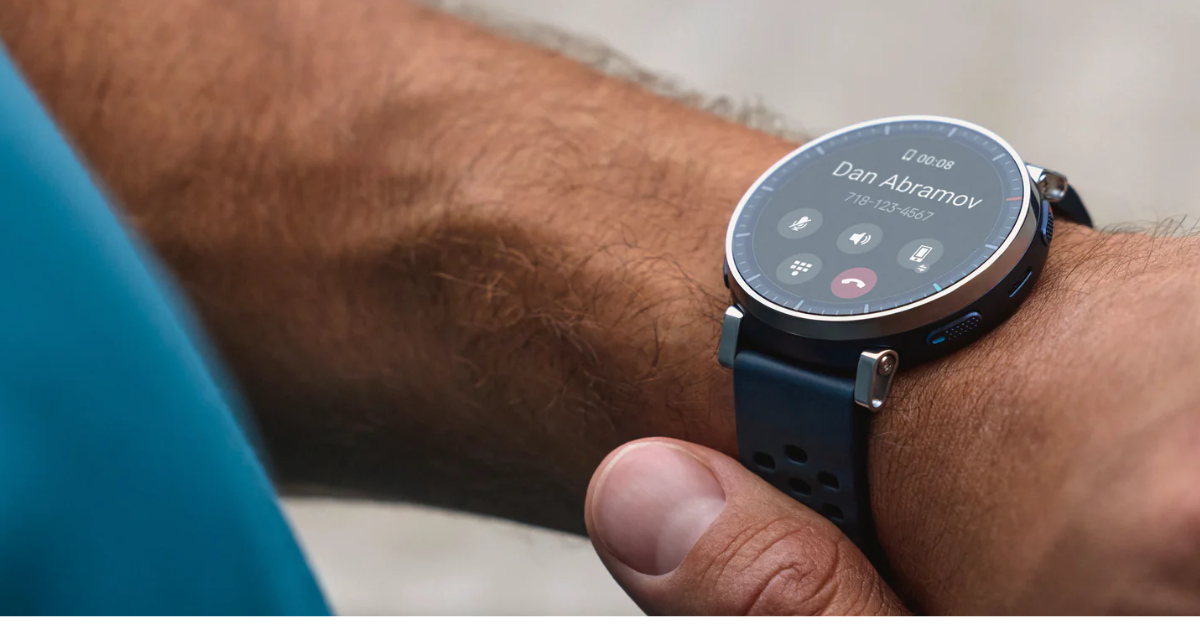
Gadgets & Wearables’ review is one of the clearest examples of that point, noting both the sharp panel and the practical benefit of the four-button design.
Why the screen works well for runs, maps, and everyday checks
This isn’t only about pretty colors. A bright, sharp display makes maps easier to read in sunlight. It makes stats easier to glance at mid-run. It also gives the whole watch a more premium feel than you’d expect at this price.
If you hate squinting at your wrist outside, this screen helps.
Performance
This is where the Amazfit Active 3 Premium gets interesting. It isn’t trying to win on apps or lifestyle extras first. It wins by giving you a lot of training tools for not much money.
You get broad workout support, offline maps, navigation, external sensor support, detailed post-workout analysis, and health tracking that covers sleep, HRV, blood oxygen, stress, respiratory rate, temperature, and recovery-style readiness insights. Zepp’s data layout also helps. It gives you plenty to look at without burying you in nonsense.
Running tools that make this watch feel more advanced than its price
For runners, the feature list is stacked. Reported metrics include cadence, ground contact time, vertical oscillation, VO2 max, training load, recovery time, lactate threshold, and running power. You also get Zepp Coach plans for structured training.
That package is unusually strong under $200. If you want a broader value comparison inside the same ecosystem, Oasthar’s Amazfit Bip 6 review shows how much extra sports depth you gain by moving up the line.
GPS performance also seems solid for the class. A SportuhrenGuru road test found only a 40-meter gap over 10 km versus a reference device, which is a good result for a single-band watch.
Where tracking is strong, and where accuracy still needs caution
Sleep tracking got some of the strongest feedback. Reviewers liked the detail, especially around wake periods, HRV trends, sleep stages, and recovery context. General health data also looks useful day to day.
Heart rate is the caution flag. One reviewer saw suspiciously low readings in cold, sweaty workouts. Another noticed spikes that seemed too close to cadence. That doesn’t mean the watch is bad. It means wrist-based heart rate still has limits here, and this model doesn’t look immune.
If max-effort heart-rate accuracy matters to you, pair a chest strap and call it a day.
Battery Life & Charging
Battery life is one of the main reasons to buy this watch. Light use can reach 12 days. Heavier use is closer to 7 days. Continuous GPS is reported at about 14 hours in one source and up to 24 hours in others, which tells you the obvious truth: your settings matter.
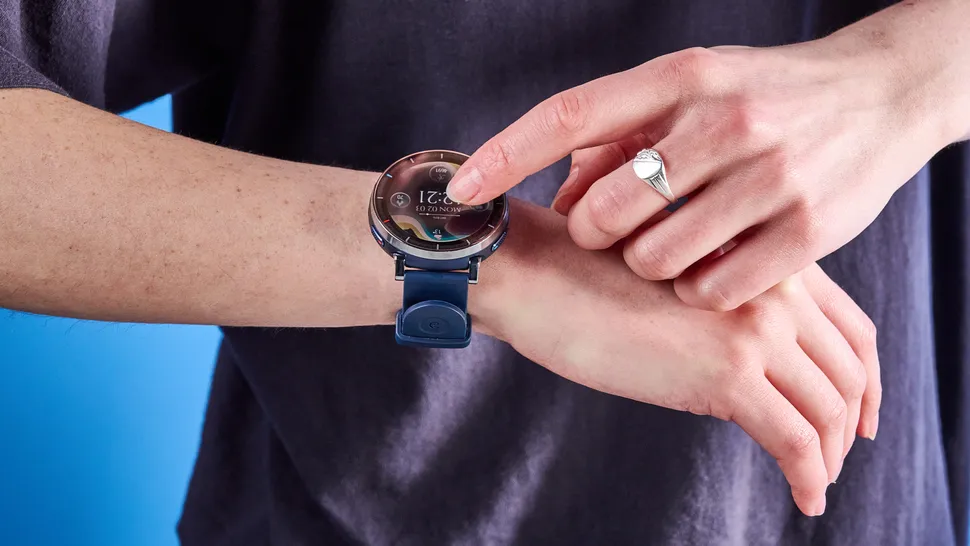
Trusted Reviews’ battery testing lines up pretty well with those official ranges, including the drop when always-on display and frequent GPS use enter the picture.
Even so, the appeal is obvious. You charge it, use it, and stop thinking about it for days. If you’re coming from an Apple Watch SE, that feels like switching from a thirsty hatchback to a diesel wagon.
Software & Ecosystem
Zepp OS has improved a lot. Menus are easier to understand, widgets are more useful, and workout analysis goes much deeper than many casual smartwatches. You can change watch faces, tweak settings, upload music, and sync data with Strava.
The limit is polish. Apple still does phone integration better. Samsung still feels richer on the app side. Amazfit gives you enough, but not the best version of everything.
What the Zepp app does well for sleep, recovery, and training trends
The Zepp app is strongest when it turns raw data into patterns you can use. Sleep details are clear. HRV and recovery trends make sense over time. Training load and exertion are easy to find. Some wellness extras sit behind Aura, but the core training and health features remain available without a subscription.
That’s the right balance for a watch at this price.
Connectivity
You get Bluetooth 5.3, phone notifications, music controls, and support for Android and iPhone. The watch also supports Bluetooth calling when your phone is nearby.

What you do not get is LTE or eSIM. If you want a watch that can stand in for your phone, this isn’t that watch.
Mic & Speakers
The built-in mic and speaker are handy for quick calls, short replies, and basic voice features. That’s useful when your phone is in a bag or across the room.
Still, this is a convenience feature, not the headline. You buy this watch for training value first.
Extra Features
The extras are what push this watch from “good” to “worth a look.” Offline maps with navigation are rare at this price. Turn-by-turn guidance helps on unfamiliar routes. Broad sports support, auto-detected strength work, body temperature tracking, blood oxygen, stress monitoring, and onboard storage for maps and music all add up.
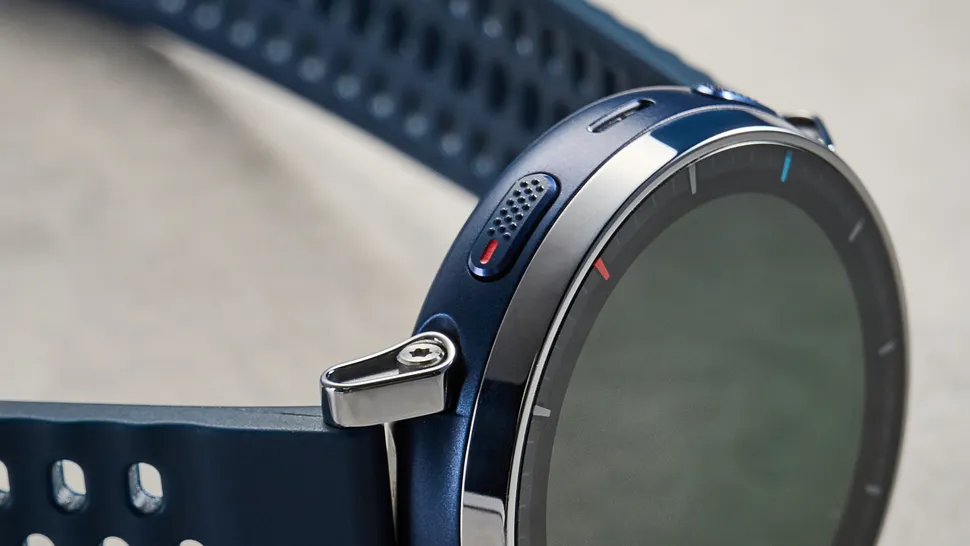
Smartwatch Insight’s feature breakdown makes the same point from a different angle: you usually pay more for this mix.
Price & Value
This is the watch’s clearest win. At about $169, it undercuts the Apple Watch SE and many Garmin models while offering far better battery life and more running-first features than you’d expect. What you’re paying for is fitness depth, battery life, and practical hardware.
What you’re not paying for is the smoothest app ecosystem or the most refined wrist heart-rate performance. If you can live with that trade, the value is strong.
Who is it for?
If you’re honest about what you need, the answer gets pretty simple.
Buy it if:
- You want strong running metrics without jumping to Garmin money.
- You care about battery life and don’t want nightly charging.
- You want offline maps, recovery data, and good sleep tracking for under $200.
- You split your time between running, gym work, and general health tracking.
Don’t buy it if:
- You need flawless wrist heart-rate accuracy in hard sessions.
- You want LTE or full smartwatch independence from your phone.
- You’re deep in the Apple or Samsung ecosystem and want the smoothest app experience.
- You do serious trail or mountain training and want dual-band GPS.
FAQs
Is the Amazfit Active 3 Premium worth buying in 2026?
If you want strong value, yes. You get offline maps, a bright AMOLED display, detailed sleep tracking, and multi-day battery life for about $169.99.
How good is Amazfit Active 3 Premium battery life really?
Battery life is one of the big wins here. In real use, you can expect about 7 to 12 days, with GPS-heavy use dropping it closer to 24 hours.
Is the GPS accurate enough for serious running workouts?
For road runs and everyday training, it’s good. In dense cities or trickier routes, the single-band GPS isn’t class-leading, so you shouldn’t expect top-tier precision.
Does the heart rate sensor have any accuracy problems?
It can. Testing suggests steady efforts are tracked well, but colder weather, sweaty skin, and harder sessions can trigger low or inconsistent readings.
The watch is easy to recommend on value, but heart rate accuracy is the clear limit.
Is Amazfit Active 3 Premium better than Apple Watch SE 3?
For battery life and sleep detail, it often is. Apple still has tighter phone integration, but Amazfit gives you more fitness value for around $70 to $80 less.
Does the Zepp app make the watch easier to use?
Mostly, yes. The app is clear, packed with useful training data, and syncs with platforms like Strava, though syncing can occasionally take an extra second.
Who should buy Amazfit Active 3 Premium smartwatch?
You should look at it if you run regularly, mix in gym sessions, or want deeper health tracking without spending Garmin or Apple Watch money.
What are the biggest drawbacks of Amazfit Active 3 Premium?
The main tradeoffs are single-band GPS, some heart rate inconsistency, one case size, and a proprietary charger. Those limits matter more if you train hard outdoors.
Final verdict
The Amazfit Active 3 Premium gets a lot right. You get a sharp screen, durable build, long battery life, offline maps, and training tools that punch above the price. The weak spots are clear too, mainly the less polished ecosystem and the reported wrist heart-rate inconsistency in some conditions. If battery life and fitness depth matter more to you than apps and brand prestige, this is an easy watch to recommend. It’s one of the best budget running watches you can buy right now, as long as you know where the corners were cut.