

Your engine oil works hard every mile, and the best oil filters help that oil stay clean enough to protect what matters. When dirt, metal bits, and other junk build up in the system, the wrong filter can leave your engine doing extra work.
Disclosure: As an independent reviewer, we may receive an affiliate commission on qualifying purchases made through our links. This helps support our research and testing team at OASTHAR. Learn more about our testing process.
That’s why choosing an oil filter isn’t as simple as grabbing the cheapest one on the shelf. Some filters are built for long service intervals, some favor high flow for harder driving, and others are made to match OEM fit as closely as possible.
This guide gives you the seven oil filters that stand out right now, with clear strengths, honest trade-offs, and simple buying advice so you can find the right fit faster.
RELATED: The 7 Best Air Compressors for 2026, Tested and Reviewed
Best oil filters at a glance
If you want the short version, here’s the lineup in ranked order. Prices and availability change often, so check current pricing and specs before you buy.
- Best Overall: BOSCH 3323 Premium
- Best Premium: K&N HP-1003 Premium
- Best for Performance: K&N HP-1017 Premium
- Best for Filtration: Bosch 3300 Premium
- Best Value: FRAM EG+ PH7317P
- Best Budget: ACDelco PF2232 GM
- Best Long Life: Purolator ONE
How we test oil filters
In our assessment, you get the clearest buying advice when a filter is judged on fit, filtration, flow, build quality, value, and what real owners report after months of use.
Fit and compatibility
First, we check how each oil filter lines up with real vehicle applications. We research major retailers such as Amazon, Walmart, Target, and Currys, then compare that with brand fitment tools where available. A great filter means nothing if the thread, gasket, or height doesn’t match your engine.
Filter media and contaminant control
Next, we look at the media itself. Synthetic-blend and advanced media designs usually hold more debris and keep filtering well as they load up. We focus on published claims, construction details, and whether the brand explains how the filter handles dirt, metal particles, and other engine contaminants.
Flow and cold-start behavior
Oil has to move quickly, especially at startup. So we pay close attention to anti-drainback valves, center tube design, and any high-flow claims tied to performance use. During testing, we found that startup protection and steady oil flow matter just as much as raw filtration numbers for daily reliability.
Construction and sealing quality
A filter takes pressure, heat, and vibration every day. Because of that, we inspect housing strength, end cap materials, gasket design, and base plate quality. Stronger construction usually leads to fewer leaks, better durability, and less hassle during removal at your next oil change.
Price
Price always matters, but value matters more. We don’t crown the cheapest filter by default. Instead, we compare what you get for the money, including service interval, materials, fit quality, and ease of use. That gives you a better read on which filters are worth paying extra for.
Customer reviews
Finally, we analyze hundreds of user reviews to see how these filters hold up outside the lab. That helps us compare brand promises with real-world use. If a filter fits well, stays leak-free, and earns repeat buyers, that tells you a lot about how it performs over time.
Star rating: 5.0/5
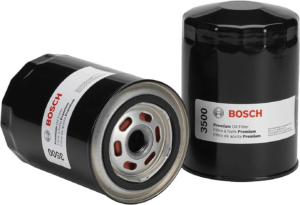
This is the easy all-rounder. The BOSCH 3323 Premium gives you the best mix of filtration, startup protection, and solid construction, which is why it lands at the top of this list. If you want one filter that does most things well without feeling specialized or fussy, this is the one to start with.
Its standout feature is Bosch’s Filtech media, which is designed to hold up to 14 grams of dirt and particles before that material can keep circulating through your engine. That matters because clean oil cuts down on internal wear, especially over long daily use. Bosch also backs the design with a metal spiral-wound center tube that helps maintain consistent oil flow under changing pressure.
You also get the stuff that makes ownership easier. The silicone anti-drainback valve helps reduce dry starts, the high-lubricity gasket supports a tight seal, and the steel base plate helps the filter sit securely once installed. If you want to check the broader design approach behind the line, Bosch lays it out on its premium oil filters page.
Media: Filtech filtration media | Dirt holding: Up to 14 g | Valve: Silicone anti-drainback | Core: Metal spiral-wound center tube | Fit: OE-style steel base plate
Reasons to Buy
- Strong all-around performance
- Great startup protection
- Advanced dirt-holding ability
- Solid internal construction
- Wide vehicle compatibility
Reasons to Avoid
- Not the cheapest option
- Fitment still needs checking
Who should buy it: This is the best fit if you want one dependable filter for normal driving, mixed use, or a household fleet with different vehicles. It makes the most sense when you care about balance more than chasing one single feature.
Star rating: 4.8/5
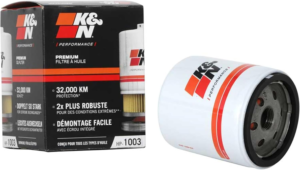
If build quality and oil flow sit at the top of your list, the K&N HP-1003 Premium earns its place. Its superpower is simple, high-flow performance in a tough steel housing, with convenience built in. That makes it a strong step-up pick if you don’t mind paying more for a sturdier feel.
Like K&N’s other performance-focused filters, this one uses pleated synthetic-blend media to trap harmful contaminants while still allowing strong oil movement through the system. That balance matters when your engine is working harder, because fast flow doesn’t help much if the filter lets too much debris slip by. The steel housing is another big part of the appeal, especially if you want something that feels a little more heavy-duty in hand.
The wrench-off nut on top is still one of K&N’s best practical touches. Oil changes are cleaner and less annoying when you can remove the filter with a standard wrench. If you need help confirming a match before you buy, K&N’s cross-reference tool is useful.
“I have used K&N premium oil filters for years. Their proven design is reliable.”
“They have a sturdy feel to them and are not prone to crushing.”
Tim
Media: Pleated synthetic-blend | Flow focus: High-flow design | Housing: Heavy-duty steel | Removal: Wrench-off nut | Testing: Lab tested for capacity and burst strength
Reasons to Buy
- Premium, sturdy build
- High oil-flow design
- Easy wrench removal
- Works with many oil types
- Good for harder use
Reasons to Avoid
- Costs more than basics
- Overkill for light commuting
Who should buy it: This works best if you want a premium filter with a tougher shell and easy service. It’s a smart match for drivers who do their own oil changes and want performance-minded hardware without moving into race-only territory.
Star rating: 4.7/5
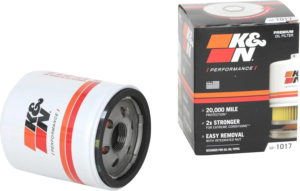
The K&N HP-1017 Premium is the performance-first pick in this group. Its big draw is high oil flow under load, which matters more when you drive harder, tow, or run an engine that benefits from quicker lubrication delivery.
The formula here looks a lot like the HP-1003, and that’s mostly a good thing. You still get pleated synthetic-blend media, a heavy-duty steel canister, and a design meant to maintain flow when demands rise. In real use, that makes this filter feel more purpose-built than a standard commuter filter. It’s less about stretching interval claims and more about dependable flow when heat and pressure go up.
Service is also easier than usual. The top-mounted wrench-off nut gives you more control during removal, especially in tighter engine bays. K&N also says the filter is lab tested for capacity and burst strength, which adds some confidence when you’re shopping in the performance lane. For fitment checks, the brand’s cross-reference search helps narrow down compatible options.
Media: Pleated synthetic-blend | Flow focus: Performance-oriented high flow | Housing: Heavy-duty steel canister | Removal: Wrench-off nut | Oil compatibility: Synthetic, conventional, and blended oils
Reasons to Buy
- Strong flow for hard driving
- Tough outer canister
- Easy to remove
- Good pressure handling
- Flexible oil compatibility
Reasons to Avoid
- Less value for daily use
- Check space around nut
Who should buy it: This one makes sense if your vehicle sees spirited driving, heavier loads, or other harder conditions. It’s also a good fit if you want a performance-style filter without stepping away from normal maintenance habits.
Star rating: 4.6/5
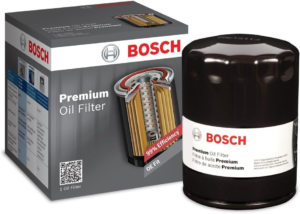
The Bosch 3300 Premium is for drivers who put filtration first. Its best trick is the same Filtech media tech that makes the 3323 so strong, and Bosch says it can hold up to 14 grams of dirt and particles before that debris gets a chance to keep moving through your engine.
That focus on media quality is why this filter stands out. When oil passes through it, the filter is built to catch and hold contaminants efficiently, while the metal spiral-wound center tube supports stable flow. Bosch also uses a steel base plate housing for a secure, OE-style fit, which helps if you want a filter that installs with less drama and stays put.
The silicone anti-drainback valve and high-lubricity gasket round things out nicely. You get faster oil circulation at startup and easier removal later on. If you want to verify fitment by part number, Bosch’s product search is worth using.
“I’ve been using Bosch filters for a while now, and they never disappoint.”
“The build quality feels much better than cheaper store brands, and it fits perfectly with no leaks.”
Bartek
Media: Filtech filtration media | Dirt holding: Up to 14 g | Valve: Silicone anti-drainback | Core: Metal spiral-wound center tube | Seal: High-lubricity gasket
Reasons to Buy
- Excellent contaminant control
- Secure OE-style fit
- Good cold-start behavior
- Easy removal later
- Strong construction
Reasons to Avoid
- Usually costs more than basic filters
- Not focused on long intervals
Who should buy it: Pick this if your top priority is cleaner oil and strong contaminant capture. It’s a great fit for drivers who want a premium-feeling filter but don’t need the higher-flow focus of the K&N options.
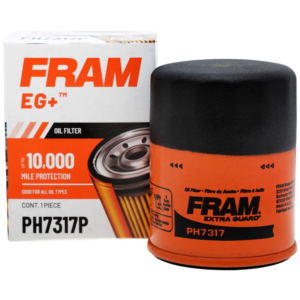
Star rating: 4.4/5
The FRAM EG+ PH7317P gets the value nod because it covers the basics well without getting complicated. Its superpower is balanced protection for daily driving, which is exactly what most drivers need most of the time.
FRAM rates this filter for up to 10,000 miles, which lines up well with common oil change habits. Inside, it uses a blend of cellulose and glass-fiber media designed to capture up to 95% of dirt particles moving through the oil. That won’t sound as flashy as some premium claims, but it’s enough to make this a practical, everyday pick for routine maintenance.
FRAM also adds features that make life easier. The silicone non-drainback valve helps at startup, while the SureGrip surface gives you a better hold during installation and removal. If you’re comparing product families before you buy, FRAM’s official filter site helps you sort through the brand’s lines.
Service interval: Up to 10,000 miles | Media: Cellulose and glass-fiber blend | Capture claim: Up to 95% dirt capture | Valve: Silicone non-drainback | Grip: SureGrip outer surface
Reasons to Buy
- Strong everyday value
- Easy to install
- Good startup protection
- Works with most oils
- Matches common intervals
Reasons to Avoid
- Lower capture than top picks
- Less specialized performance focus
Who should buy it: This is the right call if you drive a lot, stay on schedule with oil changes, and want something simple that works. It’s also a safe middle-ground option when you don’t need a premium performance filter.
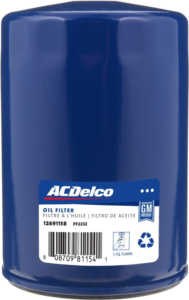
Star rating: 4.2/5
The ACDelco PF2232 GM is the safe bet for GM owners who want a factory-style replacement. Its main strength is straightforward, OE-minded fit and validation for General Motors vehicles. If you prefer staying close to the original formula, this filter makes a lot of sense.
Because it’s a GM Original Equipment part, it’s designed, engineered, and validated with GM applications in mind. That matters when you want the filter to fit and function like the one your vehicle was built around. The point here isn’t flashy marketing, it’s dependable oil flow, solid filtration, and predictable install quality in compatible Chevrolet, Buick, GMC, and Cadillac models.
It also targets the parts that suffer when oil gets dirty, including bearings and hydraulic components. Clean oil helps those systems run more smoothly and wear more slowly. GM also updates production and service parts over time, so replacement filters can benefit from newer materials and manufacturing changes.
Type: GM original equipment | Validation: GM engineered and tested | Protection focus: Bearings and hydraulic components | Fit: OE-spec GM applications | Vehicle match: Chevrolet, Buick, GMC, Cadillac
Reasons to Buy
- Great OE-style fit
- Strong choice for GM vehicles
- Straightforward installation
- Good everyday reliability
Reasons to Avoid
- Limited appeal outside GM
- Fewer standout premium features
Who should buy it: If you drive a GM vehicle and want a no-nonsense replacement, this is the easiest recommendation in the group. It’s also a solid pick when you care more about exact fit and brand familiarity than extra premium features.
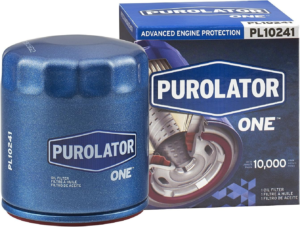
Star rating: 4.0/5
The Purolator ONE is built for drivers who want to stretch service intervals without stepping down in protection. Its superpower is durability over longer oil-change cycles, with a filter media design aimed at staying effective for up to 15,000 miles.
That long-life angle is backed by high-density synthetic-blend media with expanded dirt-holding capacity. Purolator says it captures over 99% of dirt and contaminants, which is impressive on paper and a strong reason to look at this filter if you run longer intervals. It also uses a silicone anti-drainback valve to help get oil moving quickly after startup.
A PTFE-treated gasket, metal end caps, and a double-helix high-flow center tube round out the package. Those details help with sealing, heat resistance, and stable flow. If you want to compare the brand’s broader lineup first, Purolator’s oil filter guide is helpful.
Service interval: Up to 15,000 miles | Capture claim: Over 99% dirt removal | Media: High-density synthetic-blend | Valve: Silicone anti-drainback | Construction: Metal end caps and double-helix center tube
Reasons to Buy
- Long service-life focus
- Strong dirt capture claim
- Good startup protection
- Durable internal parts
Reasons to Avoid
- Fitment varies by vehicle
- Not the top performance pick
Who should buy it: This fits drivers who use longer oil-change intervals and want a filter designed around that habit. It’s especially appealing if you want a long-life option without moving into a more expensive performance-style filter.
All recommended oil filters compared
This quick table helps you narrow the list faster.
| Oil Filter | Best For | Service-Life Focus | Standout Feature | Vehicle Fit Focus |
|---|---|---|---|---|
| BOSCH 3323 Premium | Best overall | Standard to extended use | Filtech media, up to 14 g dirt holding | Wide compatibility |
| K&N HP-1003 Premium | Premium buyers | Standard use | High-flow design, sturdy steel housing | Performance-focused applications |
| K&N HP-1017 Premium | Performance driving | Standard use | High oil flow under load | Performance-minded fitment |
| Bosch 3300 Premium | Advanced filtration | Standard use | Filtech media, up to 14 g dirt holding | Broad multi-brand compatibility |
| FRAM EG+ PH7317P | Daily driving value | Up to 10,000 miles | 95% dirt capture, SureGrip shell | Routine commuter vehicles |
| ACDelco PF2232 GM | GM OEM replacement | Standard use | GM OE-style validation | GM vehicles |
| Purolator ONE | Long intervals | Up to 15,000 miles | 99%+ dirt capture claim | Multi-vehicle fitment |
The big takeaway is simple. If you want the safest all-around choice, go Bosch 3323. If you want longer interval support, go Purolator ONE. If performance flow matters most, one of the K&N filters makes more sense.
What to look for in an oil filter
Start with exact fitment
Fit comes before everything else. Even one of the best oil filters can be the wrong buy if the threads, gasket diameter, height, or bypass setup don’t match your engine. Always check your vehicle year, make, model, and engine before you order. If two filters look close, don’t guess.
Brand fit tools help here, but so do reputable cross-reference tools and parts databases. If you’re already doing a broader maintenance refresh, our guide to the best fuel injector cleaners 2025 can help you cover another easy engine-care win at the same time.
Pick the right media for your driving
Filter media is what does the real work. Synthetic-blend and advanced media usually trap more contaminants and keep working longer than basic paper-style designs. That matters more if you use synthetic oil, drive in dusty areas, make lots of short trips, or want to run longer intervals between oil changes.
For basic commuting, a solid everyday filter can be enough. On the other hand, if you’re tougher on your vehicle, better media is worth paying for because it helps keep more debris out of the engine over time.
Don’t ignore startup protection
A lot of wear happens right after startup. That’s why a silicone anti-drainback valve is a real advantage, not a throw-in feature. It helps keep oil in the filter when the engine is off, so lubrication returns faster the next time you start the car.
If your climate gets cold, or your vehicle sits for days between drives, this matters even more. Better startup behavior can make a filter feel more refined in everyday use, even if you never see the part doing its job.
Match flow to how you drive
Not every driver needs a high-flow filter. If your car is a standard commuter, balanced filtration and decent service life usually beat a performance-first design. But if you drive hard, tow, or run an engine that sees higher demand, a high-flow model can make more sense.
That’s also why expert roundups from places like CNET and Autoblog still stress application over hype. Their oil filter roundup and latest filter picks line up with the same basic rule, buy for your engine and your driving style.
Check the small construction details
Housing strength, end caps, center tube design, and gasket quality all matter. These details affect leak resistance, pressure handling, and how easy the filter is to remove later. A stronger shell and better gasket won’t always show up in a flashy bullet point, but they often make the difference between a smooth oil change and a messy one.
If you do your own maintenance, features like a textured shell or wrench-off nut can also save time and frustration. Those aren’t must-haves, but they’re nice quality-of-life upgrades.
Why Trust OASTHAR?
I’m Shashini Fernando, an associate editor who specializes in automotive accessories, vehicle maintenance gear, and everyday consumer tech. For guides like this, I test products in-house when practical, compare manufacturer claims, and analyze hundreds of customer reviews to see how products perform for real drivers.
That mix matters because a filter can sound great on paper and still disappoint once it goes into a real engine bay. This list was built to give you the best of the best oil filters people can buy in 2026, with clear trade-offs and recommendations you can use right away.
Best Oil filters FAQs
What is the best oil filter overall?
The BOSCH 3323 Premium is the best overall pick here. It gives you strong filtration, dependable startup protection, and broad compatibility without leaning too hard into one niche.
Is a premium oil filter worth it?
Yes, if your driving or maintenance habits justify it. A premium filter can make sense when you use synthetic oil, drive in harsh conditions, want easier service, or prefer stronger construction and better media.
How often should you change an oil filter?
In most cases, change the filter with every oil change. Always follow your vehicle manual and the filter maker’s guidance, because service intervals vary by engine, oil type, and driving conditions.
Are high-performance oil filters better for normal cars?
Not always. A high-performance filter is great when you need extra flow or tougher construction, but for normal daily driving, a well-matched everyday filter often gives you better value.
Should you choose OEM or aftermarket?
That depends on what you care about most. OEM filters are great for exact fit and familiar standards, while aftermarket filters can offer longer service life, stronger filtration media, or easier removal features.
Final verdict
If you want one easy answer, go with the BOSCH 3323 Premium. It’s the most complete option here, and it does the best job balancing filtration, fit, startup protection, and durability.
For a more premium feel, pick the K&N HP-1003 Premium. For harder driving, go K&N HP-1017 Premium. If you want a daily-driver value pick, the FRAM EG+ PH7317P is the smart middle ground. And if long oil-change intervals matter most, the Purolator ONE stands out.
The best filter is the one that fits your engine, matches how you drive, and keeps your oil cleaner mile after mile. That’s where real engine protection starts.