

Should you buy the Roborock Saros 20 Sonic if you’re tired of robots that vacuum well but leave a dirty line along baseboards? If your house is mostly hard floors, that edge gap can feel like the whole point of automation got missed.
This is an in depth review built around real-life priorities: everyday pickup, mopping on sticky spots, dock hygiene (so it doesn’t start to smell), app control, noise, and what upkeep still looks like after the honeymoon phase.
The headline idea is simple: a wide sonic vibrating mop that can extend to reach edges, plus a dock that washes with very hot water and dries with warm air. Still, some details (like final US pricing and long-term wear data) can shift as the 2026 rollout continues.
RELATED: ASUS ROG XREAL R1 Review (2026): Best 240Hz AR Gaming Glasses?
Quick Review
If you care more about mopping than most people do, the Saros 20 Sonic is built for you. The big difference is the VibraRise sonic mopping system: it vibrates at 4,000 times per minute and can press down with up to 14N of force, so it’s not just dragging a damp cloth around.
The other standout is coverage. The mop pad is wide and can extend to the side when it reaches edges, which targets the usual “missed strip” along walls and cabinets. On top of that, the RockDock focuses on hygiene: it can wash the mop with 100°C (212°F) hot water and dry with 55°C (131°F) warm air, which matters if you’ve ever opened a dock and regretted it.
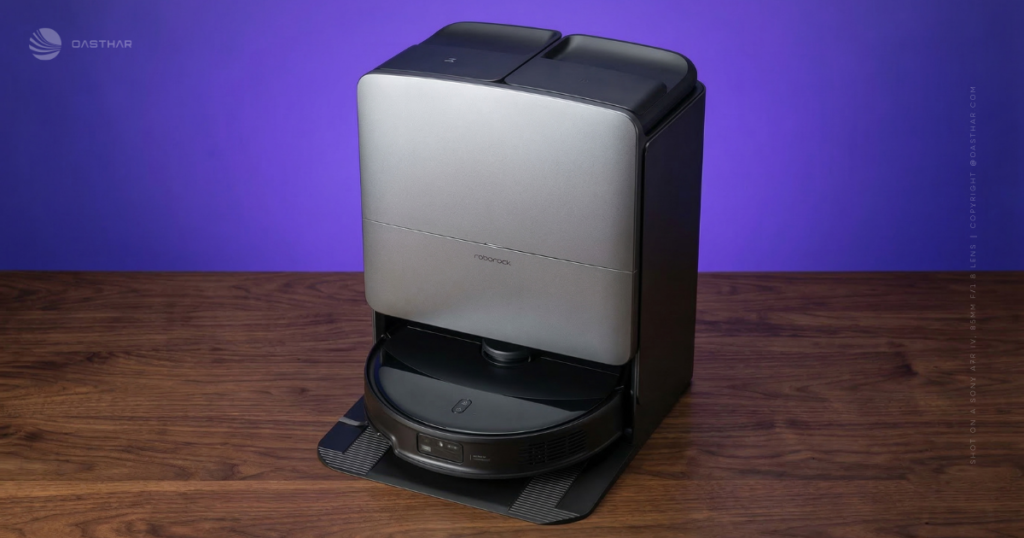
What you should know up front: this is a premium robot, and it’s clearly designed for people who want automation plus strong mopping, not just a quick vacuum pass. For official positioning and feature summaries, start with Roborock’s Saros 20 Sonic product page.
Specifications
Here are the key specs you’ll actually reference when deciding if it fits your home (values are reported because early regional listings can vary).
| Spec (reported) | Roborock Saros 20 Sonic |
|---|---|
| Suction | 35,000 to 36,000 Pa |
| Battery | 6,400 mAh |
| Runtime | Up to 200 minutes (mode-dependent) |
| Body height | About 7.98 cm |
| Threshold climbing | Up to 45 mm single, 85 to 88 mm double |
| Mopping system | VibraRise 5.0, 4,000 vibrations per minute, up to 14N pressure, extendable mop head |
| Dock wash temperature | 100°C (212°F) hot water |
| Dock drying temperature | 55°C (131°F) hot air |
| Charge time | About 2.5 hours (fast charge) |
| Navigation | StarSight Autonomous System 2.0 with VertiBeam |
| Object recognition | 300+ objects stated |
| Smart home | Matter support mentioned |
If you want a second source for the “spec sheet” view, NotebookCheck’s Saros 20 Sonic coverage is a useful cross-check.
Design and Build
The first thing you’ll care about is height, because furniture clearance decides whether a robot feels “smart” or just selective. At about 7.98 cm, this one is built to get under more sofas and media consoles than taller bots.
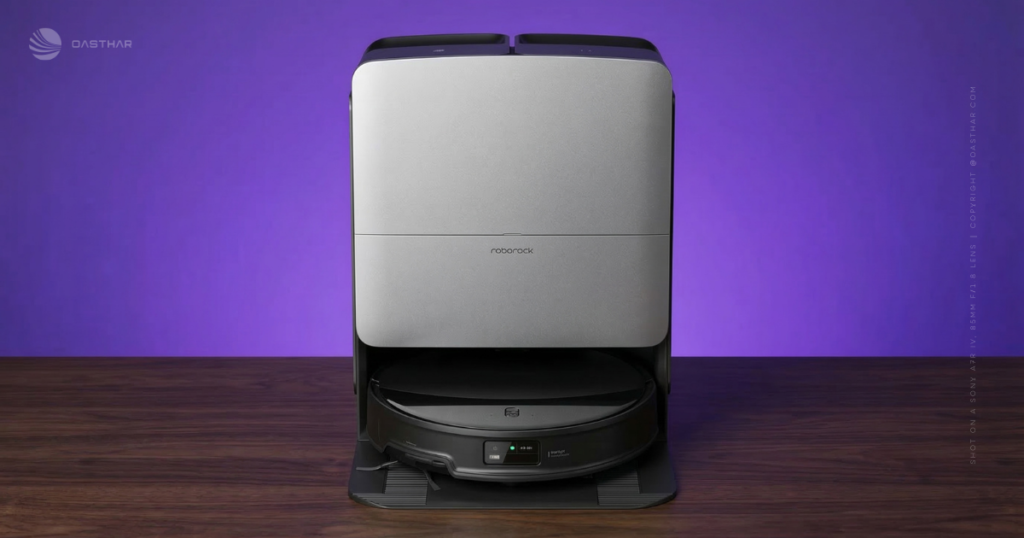
Roborock also talks about a retracting sensor concept (RetractSense) that lowers the top turret for low spaces. In plain terms, it’s trying to avoid that frustrating moment where a robot stops at the edge of a low couch like it hit a force field.
Then there’s the AdaptiLift Chassis 3.0 idea. You feel this in the boring parts of a house: doorway lips, uneven transitions, and that one threshold that always trips robots. On paper, it’s a robot that expects obstacles and tries to keep moving without grinding its belly or getting stuck in a loop.
The extendable mop head and edge reach
Most robot mops fail in the same place: edges. They either keep the pad centered, or they leave a safety gap so they don’t rub the wall. Either way, you get that thin “border of shame” that you still have to wipe by hand.
Here, the Saros 20 Sonic uses a wide, flat, D-shaped pad that vibrates, applies pressure, and can kick out to the side for closer-to-the-wall coverage. That one movement is the difference between “it mops” and “it actually finished the room.”
Control matters too. You can adjust water flow and vibration intensity independently, which helps if you have water-sensitive flooring in one area and greasy kitchen spots in another. For broader context on how these new Saros models fit together, see Techreviewer’s 2026 Saros 20 and Saros 20 Sonic overview.
Brushes and anti-tangle parts for pet hair and long hair
If you’ve got pets or long hair at home, you already know the real maintenance isn’t dust, it’s the hair rope wrapped around the brush. Roborock’s anti-tangle approach here centers on the DuoDivide main brush, plus an edge-focused side brush setup (FlexiArm Arc).
In day-to-day use, “anti-tangle” should mean fewer clogs, fewer error messages, and less time cutting hair with scissors like it’s an arts-and-crafts project. Liftable parts also matter when the robot moves between carpet and hard floors, because you want agitation and suction on rugs, but you don’t want a wet mop dragging across them.
If carpets are a big part of your home, it’s also worth reading Oasthar’s best vacuums for carpets 2025 guide so you can sanity-check whether a robot makes sense, or if a traditional vacuum still belongs in your lineup.
Cleaning Performance
Think of cleaning performance here as two machines living in one body: a high-suction robot vacuum, and a pressure-based sonic mop. You’ll notice the split right away in how it handles typical messes.
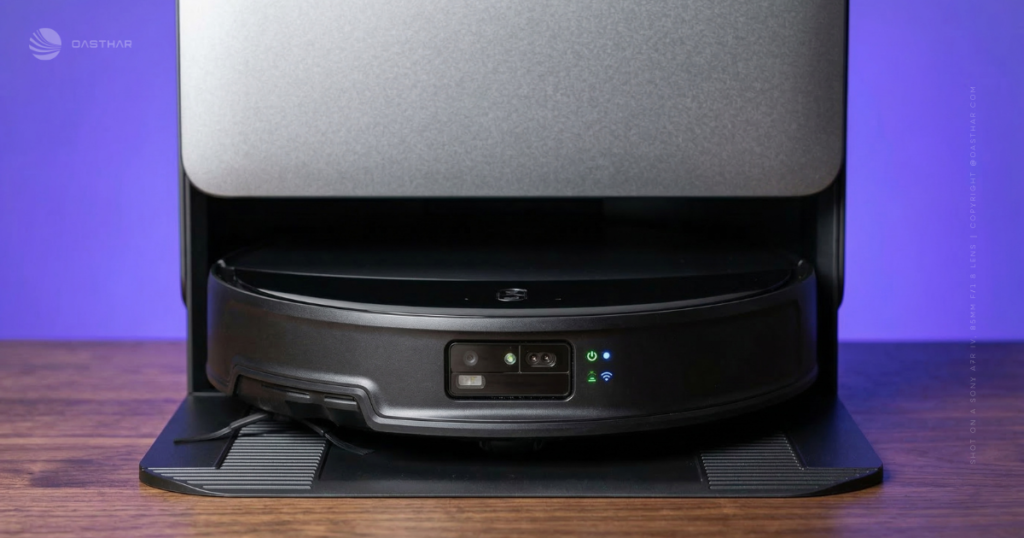
On vacuuming, reported 35,000 to 36,000 Pa suction is the headline. In practical terms, that’s the kind of power you want for gritty entryways, pet hair tumbleweeds, and carpeted zones that usually look “clean” until sunlight hits them.
Mopping is where it tries to justify the flagship status. A passive pad can wipe dust, but it struggles with dried splatters. Sonic vibration plus up to 14N of pressure changes that equation. It’s closer to a scrub than a wipe, especially near the stove where you get greasy footprints and sticky droplets.
If your current robot “mops” but you still spot dull streaks near edges, this is the exact problem the Saros 20 Sonic is designed to reduce.
Mopping on hard floors, pressure, vibration and control
The VibraRise approach is simple: fast vibration, steady downward force, and controlled water. Because water flow and vibration are separate controls, you can tune it to your floor instead of treating the whole house like the same surface.
For example, you can run lower water in a hallway with water-sensitive flooring, then increase vibration and water in the kitchen after cooking. That flexibility matters more than it sounds, because over-wetting is how robot mops earn a bad reputation.
There’s also an even-dispensing concept for cleaning fluid dilution, so the pad doesn’t get a random “strong spot” of cleaner. The important takeaway is consistency, not chemistry. You’re trying to avoid patches, not win a lab test.
Carpets and thresholds
Threshold climbing sounds like a niche spec until you watch a robot fail on a doorway track every day. The Saros 20 Sonic is reported to handle up to 45 mm for a single threshold, and about 85 to 88 mm for a double threshold, depending on how the measurement is taken.
That can translate to fewer “rescue missions” when the robot meets a tall transition between rooms. It also supports the idea that this robot is meant for real homes, not just open-plan showrooms with flat floors.
On carpets, strong suction helps with embedded grit and hair. Meanwhile, liftable mopping parts matter so you don’t paint moisture onto rugs. If you want to compare how Roborock positions the broader Saros line in the US, the Saros 20 page on Roborock US gives you the sibling-model context (even if the Sonic’s mop system is the more unusual one).
Ease of Use
This is the part that decides whether you’ll use it daily or only when guests are coming. The good workflow looks like this: map once, name rooms, set schedules, then let the dock handle the dirty parts.
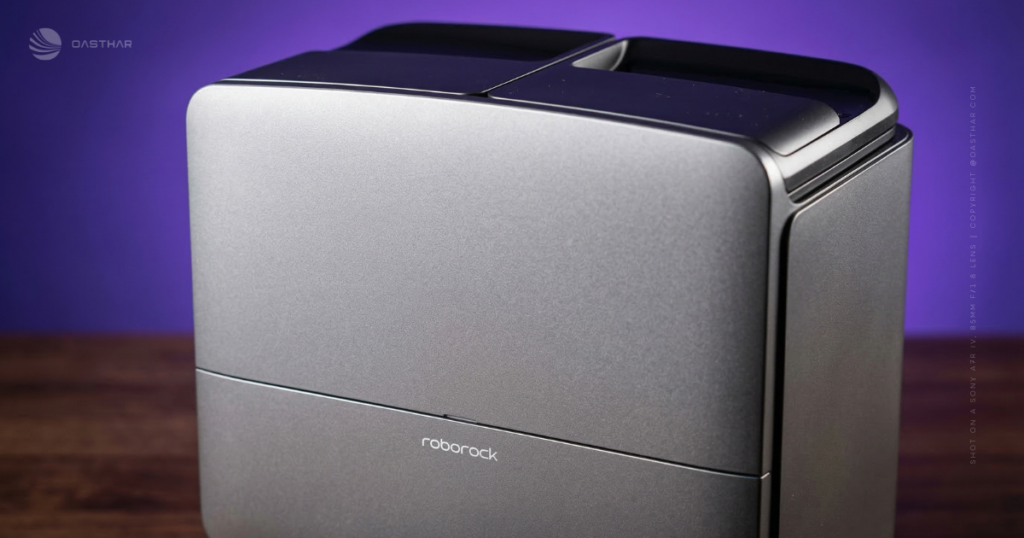
Navigation is listed as StarSight Autonomous System 2.0 with VertiBeam, plus recognition of 300+ objects stated. In plain language, it’s trying to reduce the two classic robot problems: getting stuck, and chewing on things it shouldn’t.
The best robot experience is the one you don’t babysit. If you can run it while you’re out, and come home to clean floors and a dock that doesn’t smell, that’s the whole promise.
Obstacle avoidance in a messy room, cords, shoes and pets
You shouldn’t expect perfection, because thin items can still fool cameras and sensors. Still, object recognition is about lowering your pre-clean routine. That means fewer moments of picking up every shoe, moving every pet bowl, and doing cable management just so the robot can exist.
In practice, you can expect fewer stuck events and smoother runs around chair legs and clutter. It also helps if you like running cleans at night, because you want consistent behavior whether the room is bright or dim.
App controls and smart home support
You’ll probably use a small set of app tools most days: room selection, schedules, no-go zones, zone cleaning, carpet boost, and obstacle settings. The rest is there when you feel like tinkering.
Matter support is also mentioned, which should make smart home integration less annoying across platforms. The main benefit is simple: fewer ecosystem headaches when you want it to cooperate with the rest of your home setup.
Filtration, Drying and Water Handling
The hygiene story here is mostly about the dock, not the robot’s filtering system. That’s a good thing, because mop hygiene is where many hybrids fall apart. A damp pad left to sit turns into odor, then you stop using the mopping feature, then you wonder why you paid extra.
The Saros 20 Sonic leans hard into hot washing and warm-air drying. That combination doesn’t just feel premium, it’s practical. It’s also the difference between “I should run the mop” and “I don’t want to deal with the mop.”
For an example of how retailer listings can vary as a product rolls out, you’ll sometimes see spec and bundle differences across stores, like this Microless Saros 20 Sonic listing.
RockDock hot water wash and warm-air drying
The RockDock washes the mop with 100°C (212°F) hot water, then dries it with 55°C (131°F) warm air. The point is to cut grime, reduce lingering smells, and lower the risk of that damp, closed-container funk.
One detail that stands out is the idea that the dock can handle cleaning routines while the robot is off doing vacuum-only work. That saves time and keeps the pad from sitting dirty longer than it needs to.
Noise Level
No official decibel numbers are included in the sources you’re likely reading, so treat noise as a “how it feels” choice. High-power vacuuming will sound like high-power vacuuming, while sonic mopping tends to add a steady hum.
Dock drying is the sound you’ll notice most often, because it can run while you’re watching TV or trying to sleep. If that bugs you, schedule cleans earlier, use quieter modes when possible, and avoid running a dry cycle during quiet hours.
Maintenance and Ongoing Costs
Even with a self-cleaning dock, you still own the basics. You’ll deal with dust bags (if your dock uses them), rinse or refill tanks, wipe sensors, and check brushes for the weird stuff that always shows up, twist ties, receipt paper, the occasional LEGO.
Anti-tangle parts should reduce hair cutting, although it won’t erase it. You’ll also replace wear parts over time, brushes, pads, filters. Costs vary, but typical replacement-part spending for robot vacs can add up if you run it daily, so it’s smart to plan for ongoing supplies.
Energy and Water Use
Precise energy and water consumption numbers aren’t provided in the available source content. Still, you can reason about it without hand-waving.
A 6,400 mAh battery and up to 200 minutes of runtime (mode-dependent) suggests long sessions are possible, but power use rises with higher suction and heavier scrubbing. The dock also uses hot water and heated air, so it won’t be the lowest-energy option.
If you want to reduce use, run smaller zones, do fewer passes, lower water flow, and use vacuum-only when you don’t need mopping.
Price and Value
Pricing can shift by region as the 2026 rollout continues. Reported context puts it around €1499, although US pricing and availability can vary by retailer and timing.
What you’re paying for is a bundle of “I don’t want to think about it” features: strong suction, sonic scrubbing with pressure, edge-reaching mopping, advanced obstacle handling, and a dock that treats mop hygiene as a first-class feature.
A quick reality check helps:
- If you mop often and hate edge touch-ups, value goes up.
- If your home has tricky thresholds, value goes up.
- If you mostly vacuum and rarely mop, value goes down.
Who is it for?
Buy if…
- Hard floors dominate your home, and edge mopping is your biggest complaint.
- You want a dock that prioritizes hygiene, with 212°F washing and 131°F drying.
- Your home has tall transitions, and you want reported 45 mm to 85 to 88 mm threshold handling.
- You like smart home setups and want Matter support in the mix.
Do not buy if…
- You mainly vacuum carpets and rarely mop, because you’ll pay for features you won’t use.
- You want the cheapest path to clean floors, since this sits in the premium tier.
- You’re sensitive to dock noise at night, because drying cycles can be noticeable.
- You prefer a simpler robot with fewer settings and less tinkering.
FAQs
Does the extendable D-shaped mop really clean edges better?
Yes, because the wide, flat pad can extend sideways to run tight to baseboards. Add 4,000 vibrations per minute and extra downforce, and edge grime lifts easier.
What makes VibraRise scrubbing different from spinning mop pads?
VibraRise uses sonic vibrations and stronger downward pressure to break up stuck-on messes. Spinning pads can glide over dried marks, especially near edges and corners.
Can you tune water flow and vibration for wood floors?
Yes, you can adjust water output and vibration strength separately. That’s handy when you want lighter moisture on water-sensitive floors, but still need more scrub power.
How hands-free is the RockDock with hot-wash and drying?
It handles the gross parts well, washing the mop with 212°F hot water and drying with 131°F hot air. It also dries key dock parts to cut odors.
Will it keep carpets dry when you run vacuum and mop?
It’s built for mixed floors, lifting the mop on carpet sections. As a result, you can run whole-home routines without babysitting transitions between rugs and hard floors.
How loud is it in real use, not just on paper?
Expect around 60 dB on standard cleaning, with louder peaks under 70 dB on max. The drive sound stays fairly calm, so it’s less annoying than many bots.
Final Verdict
Choose the Roborock Saros 20 Sonic if mopping quality is your top priority, especially along edges. The combo of 4,000 vibrations per minute, up to 14N of pressure, and an extendable mop targets the most common robot-mop failure points. Strong reported suction and serious threshold handling help it act like a full-home cleaner instead of a single-room helper. The RockDock’s 212°F wash and 131°F dry also reduce the gross factor that makes people abandon mopping. Skip it if you want a cheaper vacuum-first robot and you don’t plan to mop often.
You started with the big question: will it finally clean the edges, and will the dock keep the mop from turning nasty? Based on the reported design and the hygiene-focused dock temps, you’re looking at one of the more serious attempts at answering both. The smartest move now is matching it to your home: hard floors, edge-heavy layouts, tall thresholds, pets, and how much you hate mop upkeep. If those boxes match your reality, the Roborock Saros 20 Sonic makes a lot of sense.