

Pre-ground coffee goes flat fast, so the quickest upgrade you can make is grinding right before you brew. This 2026 roundup of the best budget coffee grinders focuses on real-life value, not fancy extras you’ll never touch.
Disclosure: As an independent reviewer, we may receive an affiliate commission on qualifying purchases made through our links. This helps support our research and testing team at OASTHAR. Learn more about our testing process.
You’ll see a mix of electric burr grinders and a few manual picks that punch above their price. The goal is simple, consistent grounds for drip, pour-over, French press, and espresso (when the grinder’s built for it).
Below, you’ll get quick picks, how we test, detailed reviews, and a buying guide that helps you choose without getting lost in coffee jargon.
RELATED: The 7 Best Hot Water Heaters for 2026, Tested and Reviewed
Best budget coffee grinders at a glance
- Best Overall : OXO Brew Conical Burr Grinder
- Best Budget : Breville Dose Control Pro
- Best for Espresso : Baratza Encore ESP
- Best Quiet Grinder : KitchenAid Burr Grinder
- Best for Filtered Coffee : Eureka Mignon Filtro
- Best Manual Grinder : 1Zpresso J
- Best Portable Grinder : Wacaco Exagrind
Learn more about how we test coffee grinders
In our assessment, you get the best results when a grinder stays consistent, wastes less coffee, and fits your brew style. During testing, we found small design details often matter more than long spec sheets.
Grind consistency
Consistency decides flavor. When a grinder makes lots of fines and boulders at the same setting, your cup tastes both bitter and weak. We test multiple grind sizes (fine, medium, coarse), then compare the “evenness” by sight, feel, and brew results across pour-over and drip. Manual grinders get the same treatment, just with more reps to reduce human variance.
Espresso range
“Can it do espresso” isn’t a yes or no question. You need fine steps (or stepless control) and settings that don’t drift. We check whether you can dial in, then come back later and get the same shot time with minor tweaks. This is where purpose-built espresso grinders stand out, which matches broader lab-style coverage in guides like CNET’s 2026 grinder testing.
Retention and mess
Budget grinders can lose coffee to retention, static, and clumps. We measure what goes in versus what comes out, then note if old grounds fall out later and muddy the next dose. We also score mess, including stray grounds around the catch cup, portafilter, or counter. Low mess matters more than most people think because it affects taste and daily effort.
Noise and speed
A grinder can be “good” and still annoy you every morning. We track how loud it sounds up close, how long a typical dose takes, and whether the pitch is harsh. We also note whether you must hold a button the whole time, since that changes the experience. Quiet grinders aren’t only about decibels, they’re about making the routine easier.
Build quality and cleaning
We take grinders apart as much as the maker allows, then check burr access, chute shape, and whether grounds get trapped. Easy cleaning usually means more consistent flavor over time. We also look for wobbly hoppers, flimsy bins, and buttons that feel cheap. For manual grinders, we watch for handle play and burr alignment issues that show up after repeated use.
Price and customer reviews
We start by researching major retailers and review hubs (Amazon, Walmart, Target, and Currys), then shortlist models that stay popular over time. Next, we analyze hundreds of customer reviews to see what breaks, what frustrates people, and what stays reliable. This helps us avoid “spec-sheet winners” that don’t hold up, and it keeps this list grounded in shared user experience.
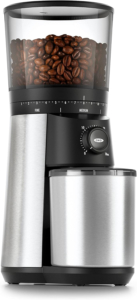
Star Rating: 4.9 out of 5
This is your practical hero pick. The OXO Brew Conical Burr Grinder nails the basics that matter, consistent grounds, simple controls, and a workflow that doesn’t feel fussy. For most homes, it’s the closest thing to “set it and forget it” without paying premium money.
In daily use, it’s strong for drip, pour-over, and French press. You get enough range to cover common brew methods, and it doesn’t demand a learning curve. That usability is a big reason it’s often positioned as a top value grinder in mainstream testing, including Wirecutter’s grinder picks.
Retention and mess can still show up on a grinder like this. Grounds can cling or hide in the chute, especially when humidity shifts. Even so, for the price, it’s hard to beat the balance of consistency, speed, and easy cleaning. If you want a deeper product-focused perspective, Serious Eats’ OXO grinder review lines up with the same core takeaway, it’s a lot of grinder for the money.
Grinder type: Conical burr | Grind adjustment: Stepped settings (range varies by model) | Use cases: Drip, pour-over, French press | Controls: Simple timer style workflow (varies) | Cleaning: Removable parts for access
Reasons to Buy
- Consistent everyday grinds
- Easy controls for beginners
- Solid for most brew styles
- Quick cleanup for the class
Reasons to Avoid
- Not an espresso-first grinder
- Some static or retention
Who should buy it: This fits you if you want one grinder that covers most coffee drinks, without turning your morning into a project. It’s also a smart pick when multiple people brew different styles in the same kitchen.
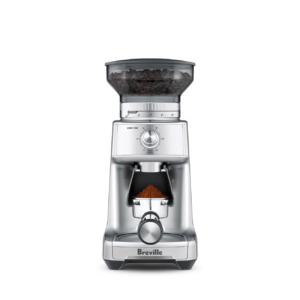
Star Rating: 4.7 out of 5
This grinder’s “superpower” is convenience around dosing. The Dose Control Pro is built for people who want a measured output without pulling out a scale every time. It’s a busy-morning grinder that still keeps you in burr-grinder territory, which is where flavor starts to improve fast.
In real use, it works well when you stick to the brew methods it likes. You’ll spend less time fiddling once you land on a setting you enjoy. The overall experience is also more polished than many entry grinders, with a better sense of fit and finish.
Trade-offs still exist. You may hit limits with very light roasts or very tight espresso demands, and some setups need extra dialing to get truly fine output. Still, as a value pick, it holds up, and it’s a good example of why budget grinders aren’t all the same. For a detailed hands-on perspective, Tom’s Guide’s Dose Control Pro review captures the same “better than the hate” vibe this grinder often earns.
Grinder type: Burr grinder | Strength: Dose timing workflow | Use cases: Drip, pour-over, espresso-capable (setup dependent) | Controls: Time-based dosing | Mess control: Better with careful technique
Reasons to Buy
- Simple dose timing
- Good value for features
- Easy day-to-day workflow
- Better than blade grinders
Reasons to Avoid
- Fine grind can vary
- Can be messy without care
Who should buy it: This fits you if you want a feature-rich grinder at a lower cost, and you like the idea of repeatable dosing without overthinking it. It also works well when you brew a lot of coffee week to week and want consistency with minimal effort.
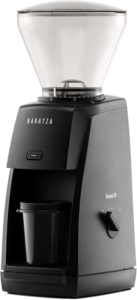
Star Rating: 4.6 out of 5
If espresso is the plan, you want a grinder that’s actually designed for espresso adjustment. The Baratza Encore ESP is the budget-friendly entry that takes espresso seriously, with a range that supports fine tuning instead of guesswork. That matters because espresso punishes “close enough” grinds.
In day-to-day use, the Encore ESP keeps the experience simple. You can dial in for espresso, then still move back toward filter coffee when you want a pour-over. It’s a flexible setup for a small kitchen or a first espresso station.
You still need patience while dialing in. Espresso is sensitive, so even with the right grinder, you’ll make small tweaks based on taste and flow. The upside is that the Encore ESP gives you a fair shot at repeatable results without jumping to luxury pricing. If you want a product-level deep dive, Tom’s Guide’s Encore ESP review is a solid companion read.
Grinder type: Burr grinder | Best use: Espresso-focused grinding | Adjustment: Espresso-friendly steps | Workflow: Simple controls | Maintenance: Designed to be serviceable over time
Reasons to Buy
- Built for espresso dialing
- Good clarity in shots
- Beginner-friendly controls
- Strong long-term value
Reasons to Avoid
- Not the quietest option
- Espresso still takes practice
Who should buy it: This fits you if espresso drinks are a priority, and you don’t want to waste money on a grinder that can’t grind fine enough. It’s also a strong pick if you’re building a starter espresso setup and want the grinder to be your foundation.
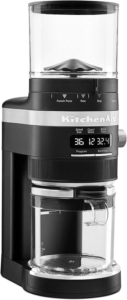
Star Rating: 4.5 out of 5
Noise is a real buying factor, especially in apartments or early mornings. The KitchenAid Burr Grinder stands out by keeping the sound more manageable while still producing consistent grounds across common brew styles. Quiet doesn’t mean “weak,” it means more livable.
In practice, you get a friendly interface and a smoother daily routine. That matters for beginners because a grinder that feels simple tends to get used more often. Also, when a machine looks good on the counter, people keep it out, and that reduces friction.
The trade-off is that coffee waste and mess can depend on how the chute and bin behave in your kitchen’s humidity. Still, for a quieter grinder that stays approachable, it earns its spot here. For more detail on performance and usability, Tom’s Guide’s KitchenAid burr grinder review aligns with why it works well for everyday brewing.
Grinder type: Burr grinder | Standout trait: Lower perceived noise | Use cases: Drip, pour-over, general home use | Controls: Simple guided adjustments | Design: Counter-friendly footprint (size varies)
Reasons to Buy
- Quieter daily grinding
- Beginner-friendly controls
- Consistent mid-range grinds
- Nice fit and finish
Reasons to Avoid
- Tall on some counters
- Minor mess possible
Who should buy it: This fits you if you grind every morning and noise drives you crazy. It’s also a good match for households where one person wakes up earlier than everyone else.
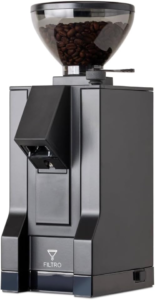
Star Rating: 4.4 out of 5
Filtered coffee rewards consistency, and flat burr grinders often shine here. The Eureka Mignon Filtro is a strong pick when your world is mostly drip and pour-over, and you want cleaner, more even extraction than typical entry conicals can give.
In real use, this type of grinder tends to feel sturdy. You also get a more “coffee bar” vibe at home, with adjustments that support micro changes once you learn your brewer. That can translate to cups that taste clearer and less muddy, especially with medium roasts.
The downside is focus. A filter-first grinder may not be the best match if espresso is your main goal, and workflow features vary by version. Even so, if your budget is tight and your taste leans toward filter coffee, this is one of the smarter ways to spend money on grind quality.
Grinder type: Flat burr grinder | Best use: Drip and pour-over | Adjustment: Filter-friendly tuning | Build: Sturdy, appliance-style body | Workflow: Better for single-style routines
Reasons to Buy
- Strong filter coffee results
- Sturdy build for the price
- Clearer extraction potential
- Good for routine brewing
Reasons to Avoid
- Not espresso-first
- Feature set varies
Who should buy it: This fits you if most of your coffee is drip or pour-over and you care about clarity. It’s also a good match if you like making small grind tweaks to improve taste without changing beans.
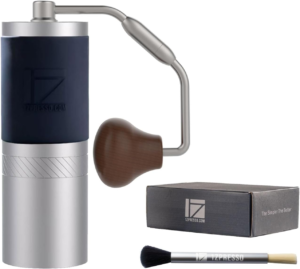
Star Rating: 4.2 out of 5
A good hand grinder can outperform cheap electric grinders where it counts, burr alignment, grind quality, and control. The 1Zpresso J earns its place by giving you that “precision tool” feel without needing counter space or power.
In daily use, hand grinding slows you down in a good way. You control the pace, you hear the beans break down, and you get a clear sense of dose size. It’s also easier to keep fresh because you’re usually grinding only what you need.
The trade-off is effort. Grinding for espresso or multiple cups takes time and arm work. Still, if you want excellent grind quality on a budget, going manual can be the cleanest path to better coffee, especially when noise and space matter.
Grinder type: Manual burr grinder | Best use: Small batches, travel, tight spaces | Control: Very hands-on adjustments | Maintenance: Simple brush-clean routine | Noise: Very low
Reasons to Buy
- Strong grind quality value
- No power needed
- Small footprint
- Quiet any time
Reasons to Avoid
- Takes physical effort
- Slower for big batches
Who should buy it: This fits you if you brew one to two cups at a time and want better control than entry electric grinders give. It also works well in small kitchens where every inch of counter space matters.
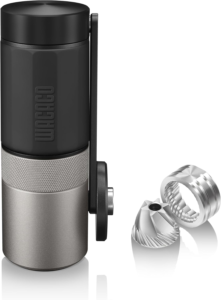
Star Rating: 4.0 out of 5
Portability is its whole point. The Wacaco Exagrind is built for travel, office drawers, and compact setups, while still giving you real burr grinding instead of “close enough” chopping. For a grinder you can toss in a bag, that’s the win.
In real use, it’s at its best with single doses. That keeps your workflow simple and helps you stay consistent cup to cup. It also pairs well with compact brewers, which makes it a strong backup grinder even if you own an electric one at home.
The limits are what you’d expect. Capacity is smaller, and grinding light roasts fine can take effort. Still, for budget-minded people who want fresh grounds away from home, it belongs on the shortlist. For broader context on grinder value across price tiers, WIRED’s coffee grinder guide helps show where portable manual grinders fit.
Grinder type: Manual burr grinder | Best use: Travel and portability | Batch size: Single-dose focused | Noise: Very low | Cleaning: Simple and quick
Reasons to Buy
- Travel-friendly size
- Fresh grounds anywhere
- Solid for single cups
- Great backup grinder
Reasons to Avoid
- Small capacity
- Hand effort required
Who should buy it: This fits you if you travel, commute, or brew at work and still want real coffee flavor. It’s also a smart second grinder when your main setup is at home but you want a portable option.
All recommended products in comparison
| Grinder | Best for | Grind range strength | Noise and mess | Ease of use |
|---|---|---|---|---|
| OXO Brew Conical Burr Grinder | Most homes, daily brewing | Strong for drip to coarse | Some static possible | Very easy |
| Breville Dose Control Pro | Budget features, timed dosing | Good range, espresso depends on setup | Mess varies by technique | Easy once set |
| Baratza Encore ESP | Espresso beginners | Best espresso tuning here | Moderate noise | Simple, but needs dialing |
| KitchenAid Burr Grinder | Quiet mornings | Great for common brew styles | Lower noise, some mess | Very beginner-friendly |
| Eureka Mignon Filtro | Filter coffee focus | Strong for drip and pour-over | Typically cleaner dosing | Best for routine users |
| 1Zpresso J | Manual precision | Great control per click | Very clean, very quiet | Easy, but slower |
| Wacaco Exagrind | Travel and small spaces | Good for single-dose brewing | Clean, quiet | Easy, physical effort |
What to look for in a budget coffee grinder
Burr type
Burr grinders beat blade grinders because they target a more even grind. Conical burrs are common in budget electrics and many do great for daily brewing. Flat burrs can shine for filter clarity, but they may cost more and feel more “specialist.” Either way, burr quality and alignment matter more than marketing.
Grind settings and adjustment feel
Count the steps, then think about how you brew. Espresso needs finer control than French press. Also, pay attention to the adjustment mechanism. A clear dial with firm clicks is easier to repeat, while vague dials make it harder to lock in results. A grinder that repeats settings saves you money because you waste fewer beans.
Retention, static and cleanup
Retention is old grounds stuck inside the grinder. Static is grounds clinging to everything. Both show up more in dry homes and in winter. In day-to-day use, a grinder that’s easy to open and brush out keeps your coffee tasting fresher. A catch bin that fits well also reduces counter mess.
Noise
Some grinders are loud, but the pitch matters too. A sharp, high-pitched whine feels worse than a lower hum, even at similar volume. If you grind early, noise becomes a top feature, not a nice-to-have. This is where quieter burr grinders earn their keep.
Capacity and footprint
A big hopper looks nice, but it can push you to store beans where they’ll stale faster. Many people do better with smaller batches and more frequent refills. Also, measure height if you store the grinder under cabinets. Tall grinders can be annoying even when performance is great.
Electric vs manual
Electric grinders win on speed and effort. Manual grinders win on portability, low noise, and often better grind quality per dollar. The choice depends on how many cups you brew and how much friction you’ll tolerate in the routine.
Warranty and repairability
Budget doesn’t have to mean disposable. Some brands support parts and repairs, which matters because grinders are mechanical tools. When a grinder is serviceable, it can last years longer, and that changes the value math in your favor.
Why Trust OASTHAR?
I’m Shashini Fernando, an associate editor who specializes in consumer tech and home gear, including coffee grinders, espresso tools, and kitchen appliances. You get this list because each pick is evaluated in-house, then checked against hundreds of real customer reviews to see how it holds up in everyday kitchens. That mix of testing and review analysis helps you avoid flashy options that don’t deliver.
Best Budget Coffee Grinder FAQs
What is the best budget coffee grinder overall?
The OXO Brew Conical Burr Grinder is the best overall pick because it balances consistency, ease of use, and value.
Are burr grinders really better than blade grinders?
Yes. Burr grinders aim for more even particle size, which leads to more even extraction and better flavor.
Which grinder here is best for espresso?
The Baratza Encore ESP is the best espresso-focused pick in this budget lineup.
Do manual grinders make sense for beginners?
Yes, if you brew small batches. A good manual grinder can deliver excellent grind quality for the price, with low noise and easy storage.
How much should you spend for a “budget” grinder in 2026?
Prices move a lot, so the smart approach is targeting proven burr grinders that stay consistent and are easy to clean. In other words, value beats the lowest price.
Final Verdict
If you want one grinder that works for almost any everyday brew, pick the OXO Brew Conical Burr Grinder. If you’re chasing espresso on a budget, the Baratza Encore ESP gives you the most realistic path to dialing in. If noise is the problem you’re trying to solve, the KitchenAid Burr Grinder is the easy living choice.
For filter-first drinkers, the Eureka Mignon Filtro is the cleaner, more focused option. If you want the most grind quality per dollar and don’t mind the effort, the 1Zpresso J is the manual pick that makes sense. And if your coffee life includes travel, the Wacaco Exagrind is the portable backup that keeps your cups fresh anywhere.
