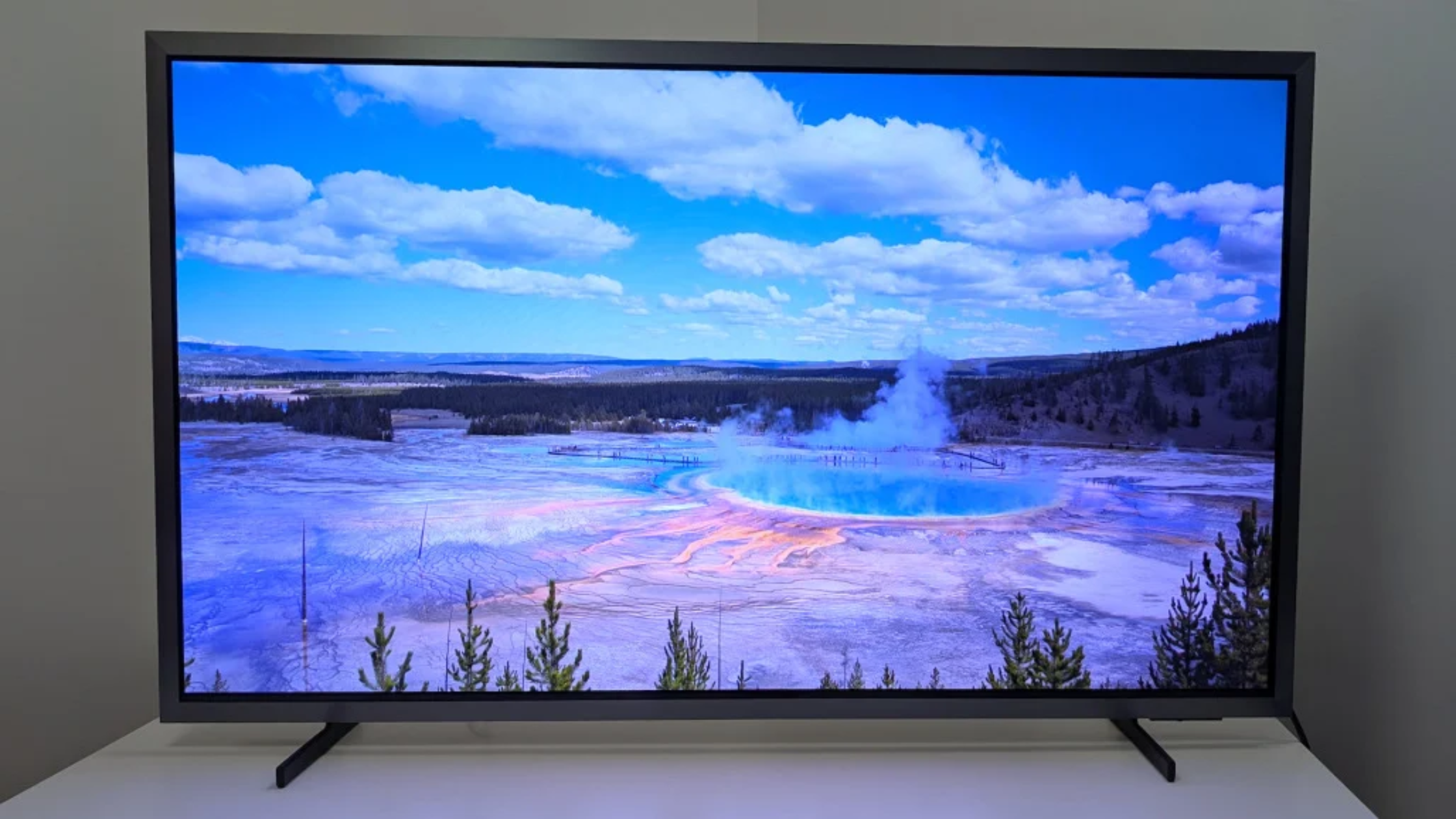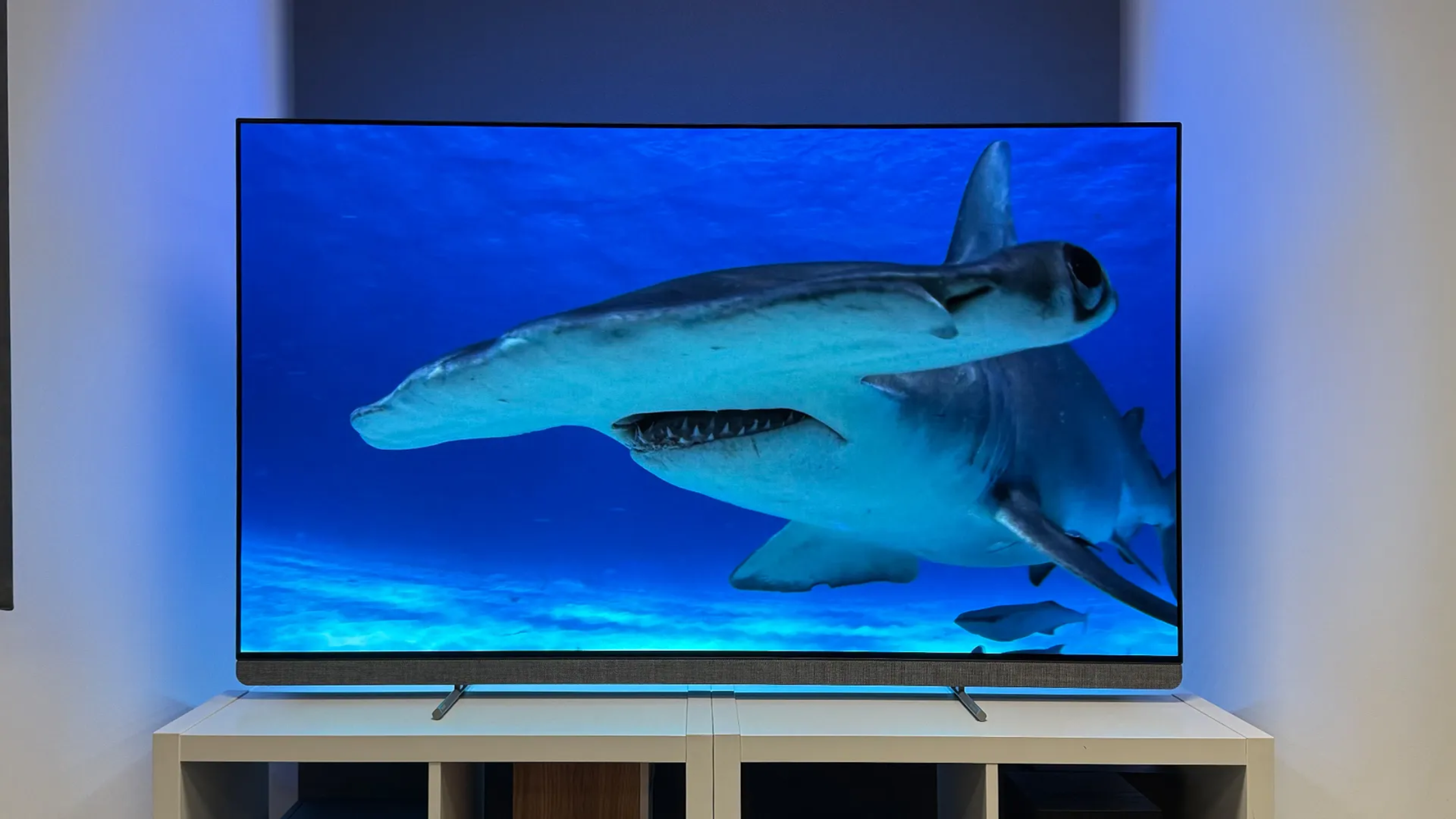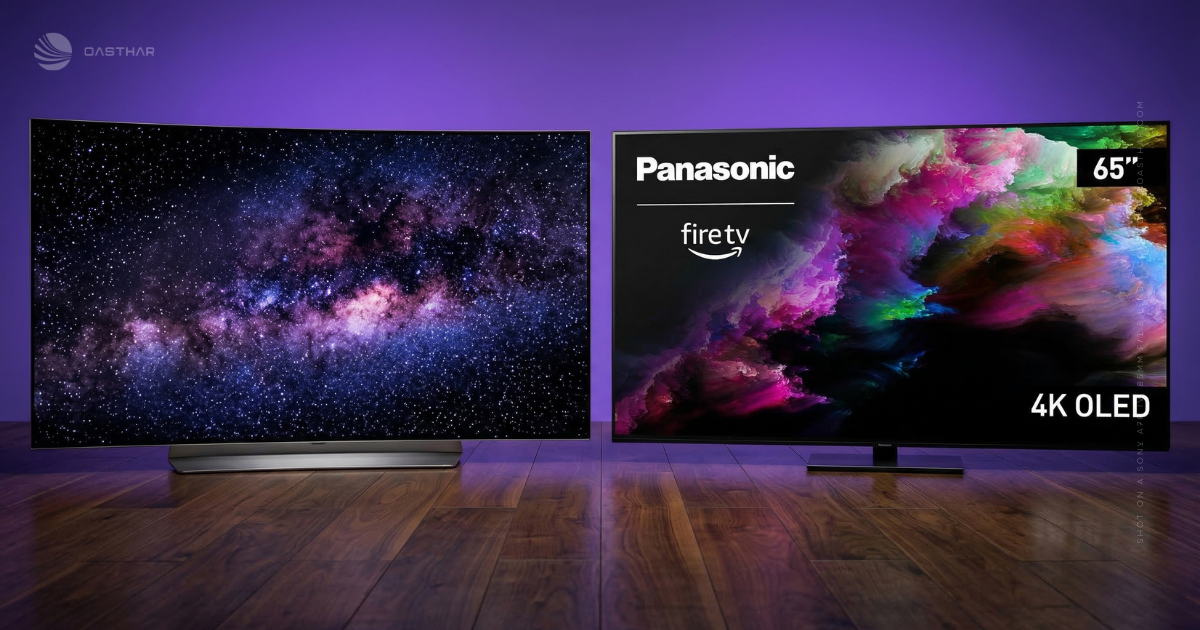


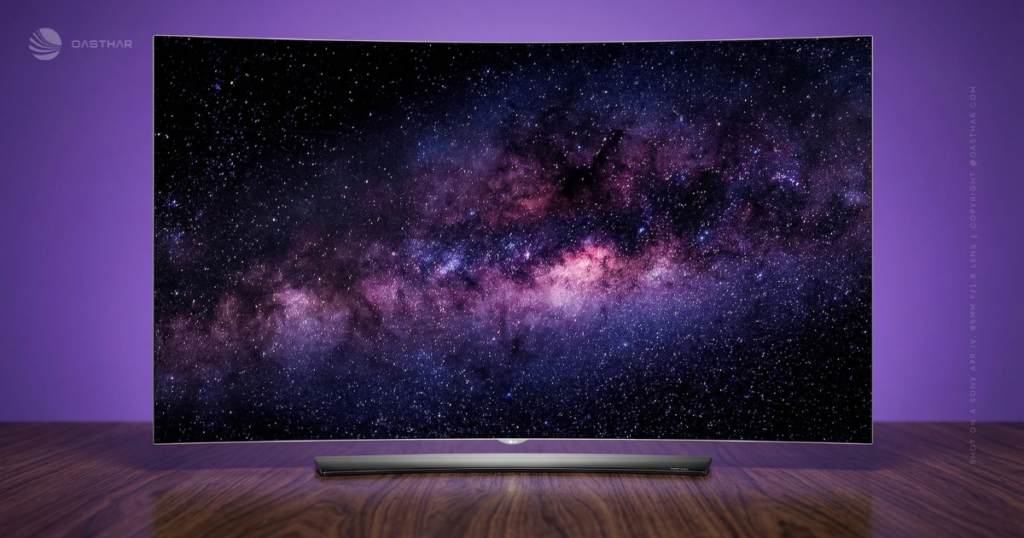
Is the LG C6 OLED actually worth buying this year, or should you grab a discounted C5 and call it a day? You can’t answer that until you pick a size, because LG made size the biggest feature.
This review covers the two main versions: the C6 in 42, 48, 55, and 65 inches, and the C6H in 77 and 83 inches. Same family name, very different panel tech.
Your biggest decision is simple: smaller sizes stick with a WOLED panel, while the 77-inch and 83-inch models switch to LG’s brighter Primary RGB Tandem OLED with Hyper Radiant Color. That one choice changes brightness, HDR punch, and value.
RELATED: Alienware 16 Area-51 (2026) : Best OLED, RTX 50 for You?

Quick Summary
The twist is the part you can’t ignore: only the 77-inch and 83-inch C6H models get the Primary RGB Tandem OLED panel and Hyper Radiant Color. If you’re buying 65 inches or smaller, you’re mainly paying for the new processor and a claimed brightness bump, not a full panel leap.
For more background on the two-version split, TechRadar’s coverage lays it out clearly in this explainer on C6 vs C6H.
Pros
- Alpha 11 Gen 3 on every size, not just the flagship tier
- 165Hz, VRR, ALLM, and 4 HDMI 2.1 ports
- C6H (77/83) finally brings Tandem OLED brightness and color volume to the C series
Cons
- The best panel tech is locked to 77 and 83 inches
- Flagship reflection handling still sounds better on LG’s G-series
- Built-in audio details and improvements aren’t confirmed yet
Specifications
Here’s the confirmed spec picture, without the marketing fog.
| Spec | LG C6 / C6H (2026) |
|---|---|
| Sizes covered | 42, 48, 55, 65, 77, 83 inches |
| Resolution | 4K (3840 x 2160) |
| Panel (42–65) | WOLED |
| Panel (77–83) | Primary RGB Tandem OLED (C6H) |
| Refresh rate | Up to 165Hz |
| Gaming features | VRR, ALLM |
| Smart TV OS | webOS 26 |
| Processor | Alpha 11 AI Processor Gen 3 |
| HDMI | 4x HDMI 2.1 |
| HDR formats | Dolby Vision, HDR10, HLG |
| Audio power | Details not confirmed in sources |
Design & Build Quality
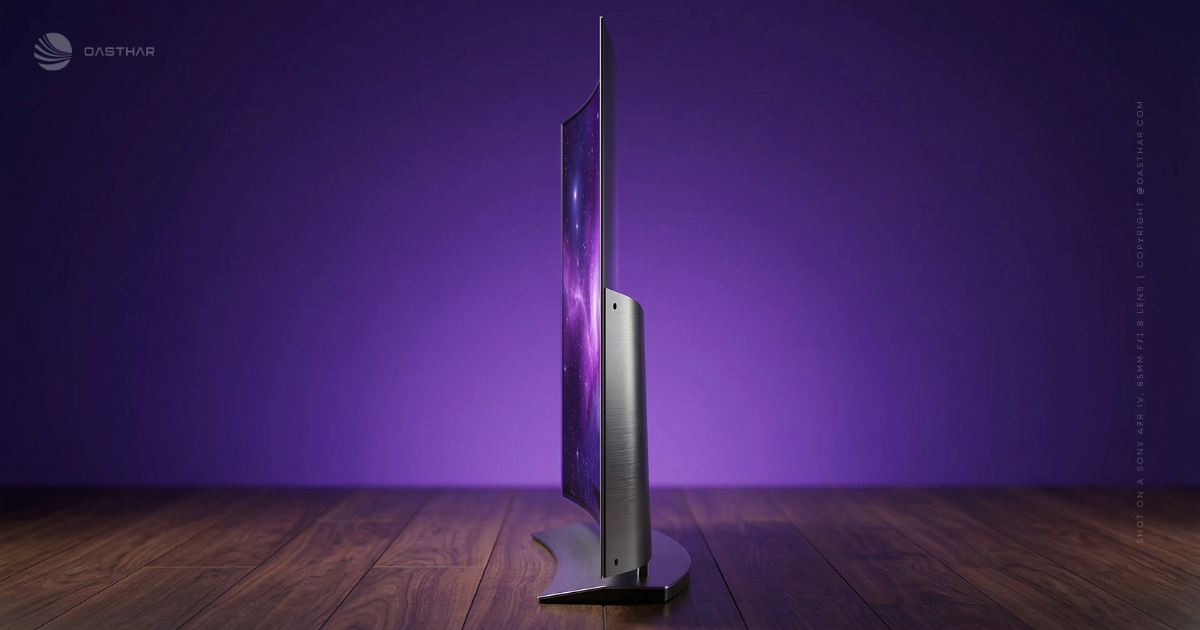
You’re still getting the C-series vibe here: a thin panel that looks great wall-mounted, plus a thicker “backpack” area that holds the ports and guts. In hands-on show-floor impressions, the C6 line didn’t look wildly different from recent C models, and that’s fine. It’s a clean, modern slab, and it doesn’t scream for attention when the screen is off.
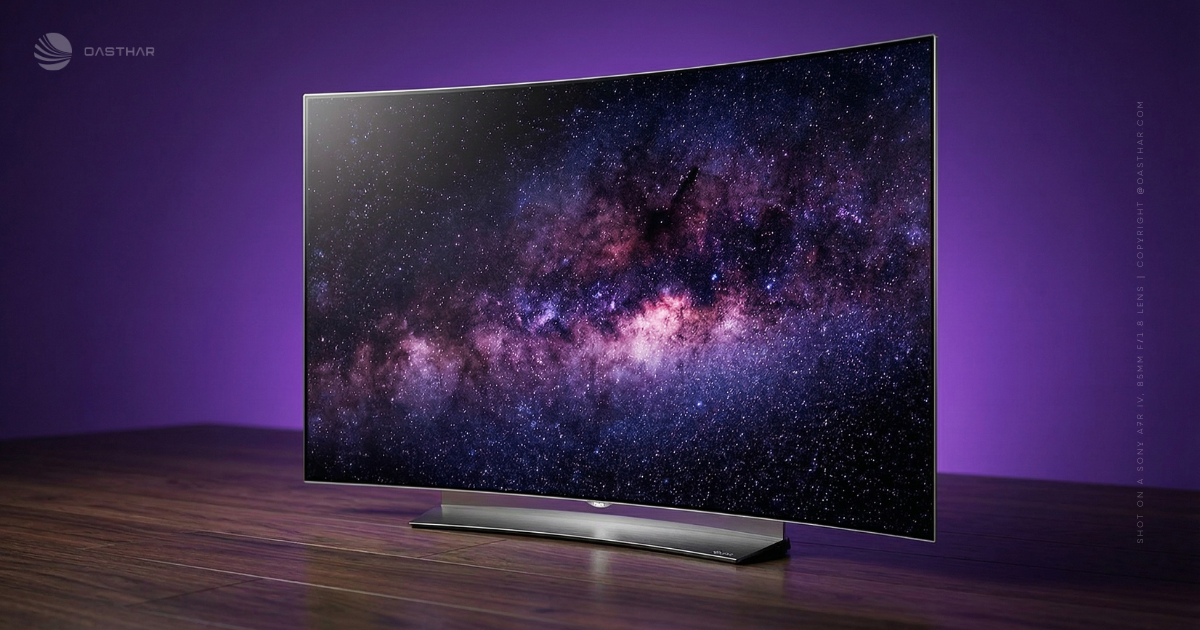
That said, CES demos only tell you so much. Under bright show lights, you can’t fully judge reflections, and you’re not seeing a normal living room setup with a window behind your couch. If glare drives you nuts, treat early impressions as a preview, not proof.
A practical tip before you buy: plan the physical space first, then pick the size. Measure your stand width, check wall-mount placement, and decide where your HDMI gear will live. Cable management gets easier if you commit to a layout early.
If you’re still comparing OLED options, Oasthar’s best OLED TVs 2025 guide helps you sanity-check the C6 against other proven sets and price tiers.
C6 vs C6H
This is the headline: C6 (42–65) and C6H (77–83) are not the same TV experience.
On the 77-inch and 83-inch models, LG uses a Primary RGB Tandem OLED structure and pairs it with Hyper Radiant Color. In plain terms, that combo targets higher brightness and stronger color volume, so HDR highlights should pop harder, and bright colors should look less “compressed” at the top end.
Meanwhile, the smaller sizes keep a WOLED panel similar in class to last year’s C5. You still get OLED contrast and the new processor, but you shouldn’t expect the same jump you’d see on the C6H.
Also, don’t confuse “Tandem OLED in a C series” with “it’s basically the flagship.” Early info suggests the C6H is closer in spirit to last year’s G5-style approach, while the 2026 G6 keeps extra premium touches, including stronger reflection handling. In other words, the C6H narrows the gap, but it doesn’t erase it.
Image Quality
OLED still does the “dark scene” thing better than almost anything else. When you watch a space movie, black bars look truly black, and shadow detail has room to breathe. You also get wide viewing angles, so the picture holds up when you’re off to the side.
Color is where the C6 splits again by size. If you buy the C6H, Hyper Radiant Color and the Tandem OLED stack are built to push brighter, richer color at higher light levels. That matters most in HDR, where bright highlights and saturated colors can otherwise fight each other.
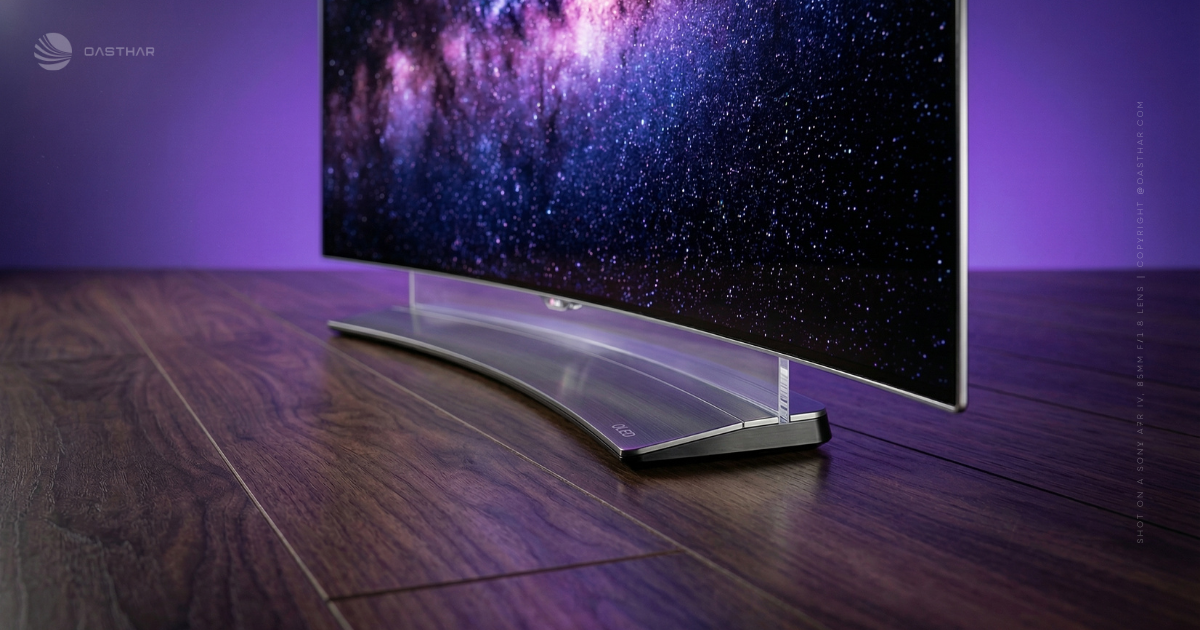
On every size, the Alpha 11 Gen 3 processor is the shared upgrade you’ll actually feel day-to-day. Better processing usually shows up in boring places, and that’s a compliment. Think cleaner gradients in skies, fewer ugly steps in shadows, and less “crunch” when a streaming app compresses your video.
If you like checking spec databases as you shop, FlatpanelsHD keeps a running list of features in its LG C6 OLED specifications page.
How the Alpha 11 Gen 3 processing changes the picture
Even if you’re buying a 42-inch or 55-inch C6, the processor matters because it touches almost everything. Sources describe meaningful performance gains versus last year’s C-series chip, with a faster CPU and GPU, plus a much stronger AI engine.
Translated into normal use, you’re likely to notice:
- HD-to-4K upscaling that looks less fuzzy on cable TV and older streams
- Tone mapping that looks steadier when a scene swings from dark to bright
- Smoother navigation across apps and settings, because the TV feels less bogged down
Settings still matter, though. A bad motion preset can make movies look weird, and a punchy picture mode can crush detail. You get more headroom with a better chip, but you still have to drive it well.
If you’re shopping 65 inches or smaller, the processor is the main story. If you’re shopping 77 or 83, the panel becomes the story.
Brightness & HDR Performance
Brightness is where a lot of OLED buying decisions get messy, so keep it grounded. LG has said the C6 sizes up to 65 inches are about 20 percent brighter than the C5. That’s meaningful, especially if you’re stepping up from an older OLED, but it’s not automatically a “bright room solved” guarantee.
The C6H should benefit the most. The Primary RGB Tandem OLED stack is designed to push brightness and efficiency, and Hyper Radiant Color is aimed at keeping colors looking strong as the picture gets brighter. If you watch a lot of HDR movies, those big highlight moments should look more intense on the C6H.
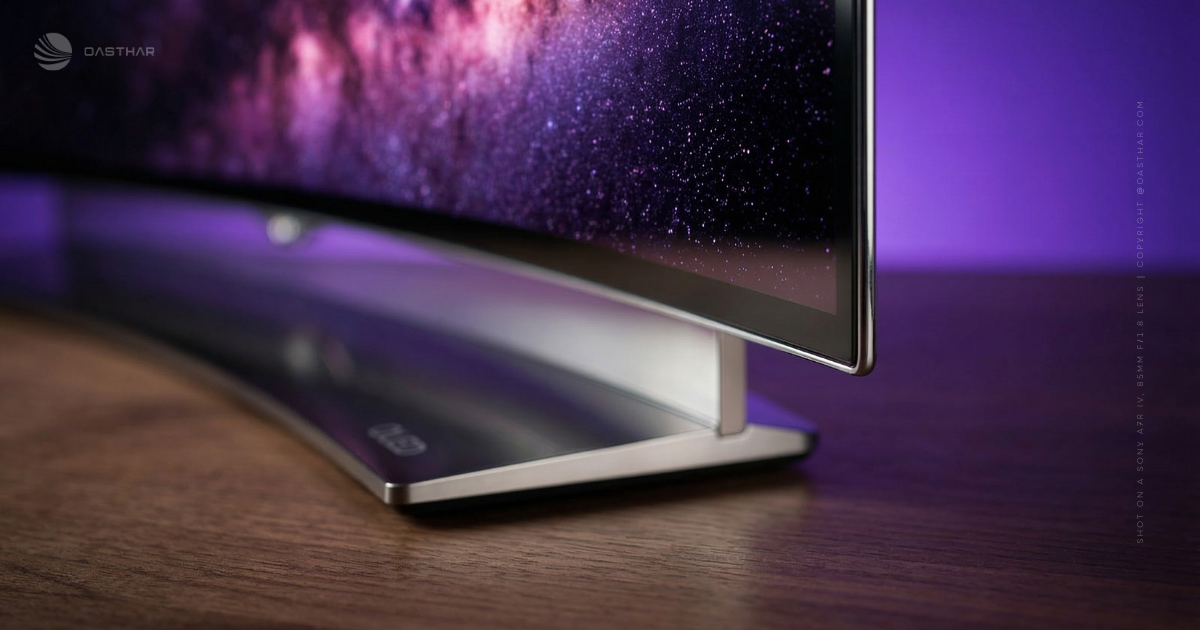
OLED also has a behavior you’ll eventually notice in the wild: big, full-screen bright scenes can dim to manage power and heat. It’s normal, and it’s part of why a sunlit hockey game can look different than a dark thriller.
For HDR formats, you’re covered for mainstream content with Dolby Vision, HDR10, and HLG. Based on available info, this set does not include the newer Dolby Vision 2 variant being discussed for some other brands.
Motion & Upscaling
Motion is one of those things you don’t think about until it annoys you. OLED pixel response is fast, so you usually get crisp action without the smearing you’d see on slower displays. The C6’s 165Hz ceiling is also useful if you connect a PC and care about high-frame-rate smoothness.
For movies, you’ll probably want motion smoothing low or off, because heavy smoothing can create that fake “soap opera” look. For sports, a moderate motion setting can help, especially on fast pans, but you’ll want to adjust by taste.
Upscaling is where the Alpha 11 Gen 3 should earn its keep. If you still watch a lot of 1080p streams, cable, or older YouTube content, you’re basically buying the TV’s ability to clean up the mess. Better processing can’t invent detail, but it can keep edges cleaner and reduce noise without turning faces into wax.
Audio Quality
LG didn’t demo audio on the show floor, and exact speaker specs aren’t confirmed in the sources you’re working from. So the honest take is simple: assume typical thin-TV audio.
That usually means limited bass, a smaller soundstage, and dialogue that can get lost when a soundtrack gets busy. If you mostly watch news, sitcoms, or quiet YouTube videos, the built-in speakers may feel fine. For movies, you’ll want help.
This is where eARC becomes your friend. With eARC on one of the HDMI 2.1 ports, you can pass higher-quality audio to a soundbar or receiver with fewer headaches, especially when you’re juggling Dolby formats.
Smart Features
webOS 26 should feel familiar if you’ve used recent LG TVs. You’ll get the big apps, quick switching, and a layout built around recommendations. The Alpha 11 Gen 3 processor should also help the interface feel snappier, with fewer stutters as you jump between apps and settings.
The downside, and you’ve probably felt this on other smart TVs, is clutter. Smart platforms can feel ad-heavy, and you might spend your first hour turning off things you never asked for.
A few practical moves usually help: disable autoplay previews, hide inputs you don’t use, and pin your actual apps to the top. If you still hate it, an external streamer can keep your experience consistent across TVs and updates.
Gaming Features
This is still a gamer-friendly TV line, and the confirmed checklist is strong: 4x HDMI 2.1, VRR, ALLM, and up to 165Hz. In real use, ALLM helps by switching you into a low-latency mode automatically, while VRR helps reduce screen tearing and frame hiccups when your console or PC can’t hold a steady frame rate.
OLED also makes games look punchy because contrast is basically its superpower. Dark caves look deep, bright effects pop, and colors stay consistent off-angle when friends crowd your couch.
Burn-in fear is the one topic you can’t ignore. Modern OLED protection is better than it used to be, but static HUDs and endless logo content still add risk. If you mix your content, avoid leaving static screens paused all day, and let the TV run its maintenance routines, you’re acting like a responsible adult, even if you don’t feel like one.
Connectivity and Ports
Four HDMI 2.1 ports is the practical win here. It means you can hook up a PS5, Xbox, a gaming PC, and still keep an eARC connection to a soundbar without playing musical chairs.
What you should not assume: no one has confirmed HDMI 2.2 here, and tuner specifics aren’t clear in the provided sources. If antenna support or broadcast standards matter to you, verify the exact model details before you buy.
Also, don’t cheap out on cables if you’re chasing high refresh rates. A cable that behaves at 60Hz can suddenly get flaky when you push higher bandwidth.
Price and Value
As of February 2026, official pricing can still vary by announcement timing and retailer listings, so you’ll want to check current store pages close to launch. Early coverage points to LG’s typical release rhythm, often landing in late March or early April. WePC tracks that expected window and compares it to last year in its C6 release date and specs coverage.
Last year’s LG C5 launch prices in the US are a useful reference point:
- 42-inch: $1,399
- 48-inch: $1,599
- 55-inch: $1,999
- 65-inch: $2,699
- 77-inch: $3,699
- 83-inch: $5,399
If the C6 follows similar pricing, value will hinge on size. The 77-inch and 83-inch C6H models have a clearer reason to cost more, because the panel tech is meaningfully upgraded. On the other hand, the 42-inch to 65-inch C6 models may end up in a weird spot if C5 clearance deals get aggressive.
Your best shopping tactics are the boring ones that work: watch for trade-in offers, check preorder bundles, and don’t ignore last-gen discounts if you don’t need the new processor.
Who is it for?
If you want the simplest rule for 2026, here it is: pick size first, because size decides the panel.
Buy if
- You want OLED contrast for movies in a dark room, and you care about clean HDR.
- You game a lot and want 165Hz, VRR, ALLM, and four HDMI 2.1 ports.
- You’re buying 77 or 83 inches, and you want the brighter Tandem OLED plus Hyper Radiant Color.
- You watch lots of mixed-quality streams and want the Alpha 11 Gen 3 processing upgrade.
Don’t buy if
- You need the best reflection control for a bright room, and you’re willing to pay for a flagship model.
- You’re shopping 65 inches or smaller but only want the big panel upgrade, it isn’t there.
- You hate ad-heavy smart TV home screens and don’t want to manage settings.
- You run static logos or HUDs for hours daily and you’ll worry about burn-in nonstop.
If you’re cross-shopping a brighter, color-rich QD-OLED alternative, it’s worth comparing what you value more, panel type, processing style, or smart platform. Oasthar’s Sony Bravia 8 II QD-OLED review is a useful reference point for that side of the market.
FAQs
Is LG C6 really a 165Hz OLED for gaming?
Yes, but it’s situational. You get a 165Hz-capable panel with VRR and ALLM; many setups will still run 4K at 144Hz most often.
What sizes get the brighter RGB Tandem OLED panel?
Only the 77-inch and 83-inch models (often labeled C6H) get the Primary RGB Tandem panel. The 42-inch to 65-inch models stick with WOLED.
Is the C6 worth upgrading to from an LG C5?
If you’re buying 77-inch or 83-inch, it can be worth it for the brighter Tandem panel and newer Alpha 11 Gen 3 processing. Smaller sizes feel closer.
How good is LG C6 input lag for competitive gaming?
It’s low enough for most players, and it feels snappy with ALLM and Game Optimizer enabled. Still, it’s not always the absolute lowest in HDR.
Does LG C6 support VRR, G-Sync, and FreeSync?
Yes. You get VRR plus support aimed at both PC and console gaming, along with four HDMI 2.1 ports, so you don’t have to juggle cables.
What’s the real-world brightness difference between C6 and C6H?
The C6H (77-inch and 83-inch) pushes brighter highlights and holds color better in bright rooms, helped by Tandem OLED and Hyper Radiant Color features.
Does the LG C6 support Dolby Vision for Xbox and movies?
Yes, it supports Dolby Vision (including Dolby Vision IQ) and HDR10. That’s great for streaming and discs, and it also plays nicely with Dolby Vision gaming.
Final Verdict
If you’re buying 77 inches or 83 inches, the LG C6H is the version to get excited about, because the panel upgrade is real. If you’re buying 65 inches or under, the C6 is more of a refinement, led by the Alpha 11 Gen 3 processor and a claimed brightness bump.
Gaming stays a strong reason to buy across the lineup, thanks to 165Hz, VRR, ALLM, and four HDMI 2.1 ports. webOS 26 should also feel quick and full-featured, even if you’ll want to tidy it up.
Shop with your room in mind. If you want big-screen HDR impact, go C6H. If you want a smaller OLED, compare C6 pricing to C5 deals and decide if the newer processing is worth it.
Size changes the value of the LG C6 OLED more than any spec sheet bullet point this year. Choose your screen size first, then decide between C6 and C6H based on room brightness and how much you game.